The Natural Resource Governance Institute (NRGI) has formally urged Ghana to extend its established petroleum revenue oversight system to the mineral sector. This move aims to bolster transparency and accountability in managing the nation's mineral wealth.
This recommendation comes as Ghana navigates declining oil production and increasing global demand for minerals vital to renewable energy technologies. The NRGI believes that stronger oversight will help Ghana avoid the 'resource curse' and ensure mineral revenues benefit all citizens.
The call builds on the 15-year experience of the Public Interest and Accountability Committee (PIAC), an independent statutory body. PIAC monitors and evaluates the management of Ghana's petroleum revenues, providing a mechanism for citizen assessment. Its establishment in 2011 followed the discovery of commercial oil and the enactment of the Petroleum Revenue Management Act.
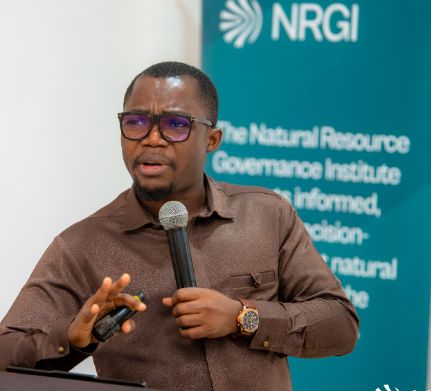
Patrick Stevenson, NRGI's Country Representative, highlighted PIAC's significance at its 15th-anniversary launch. He stated, “This milestone is significant not only for PIAC, but also for Ghana’s democratic governance journey and the country’s commitment to transparency and accountability in the management of our petroleum revenues.” PIAC's role was to prevent governance failures often seen in resource-rich nations.
NRGI's proposal is not for a new PIAC replica for mining. Instead, it advocates adapting PIAC's core principles to the mineral sector. These principles include independent scrutiny, transparent reporting, and regular assessment of how resource revenues are used. This approach seeks to enhance existing frameworks rather than create new bureaucracies.
Ghana remains a significant gold-producing economy. The growing global demand for minerals used in electric vehicles and other low-carbon technologies increases the mining sector's strategic importance. Therefore, the effective collection, monitoring, and allocation of mineral revenues are critical policy challenges.
The country's extractive profile is changing, with petroleum production under structural pressure while gold gains greater importance. This shift necessitates an evolution of the governance architecture built during the oil era. The aim is to align it with an economy where mineral revenues play a larger role in external and fiscal accounts.
Mr. Stevenson also raised concerns about the Ghana Heritage Fund, established under the Petroleum Revenue Management Act. This fund was created to preserve a portion of petroleum wealth for future generations. A central debate now questions whether these accumulated savings should remain protected or be deployed for urgent infrastructure and development needs today.
He noted, “The discussion of spending it today, at least to the best of our knowledge, is already in the works.” This ongoing debate underscores the complexities of intergenerational resource governance. Petroleum is a finite resource, and its extraction depletes the asset permanently. Ghana must determine how much wealth to consume now versus saving for the future.
The NRGI's recommendation emphasizes that applying lessons from petroleum governance to minerals is crucial. This will ensure Ghana maximizes the benefits from its natural resources. It will also safeguard against the pitfalls of the 'resource curse' as the nation's economic landscape evolves.