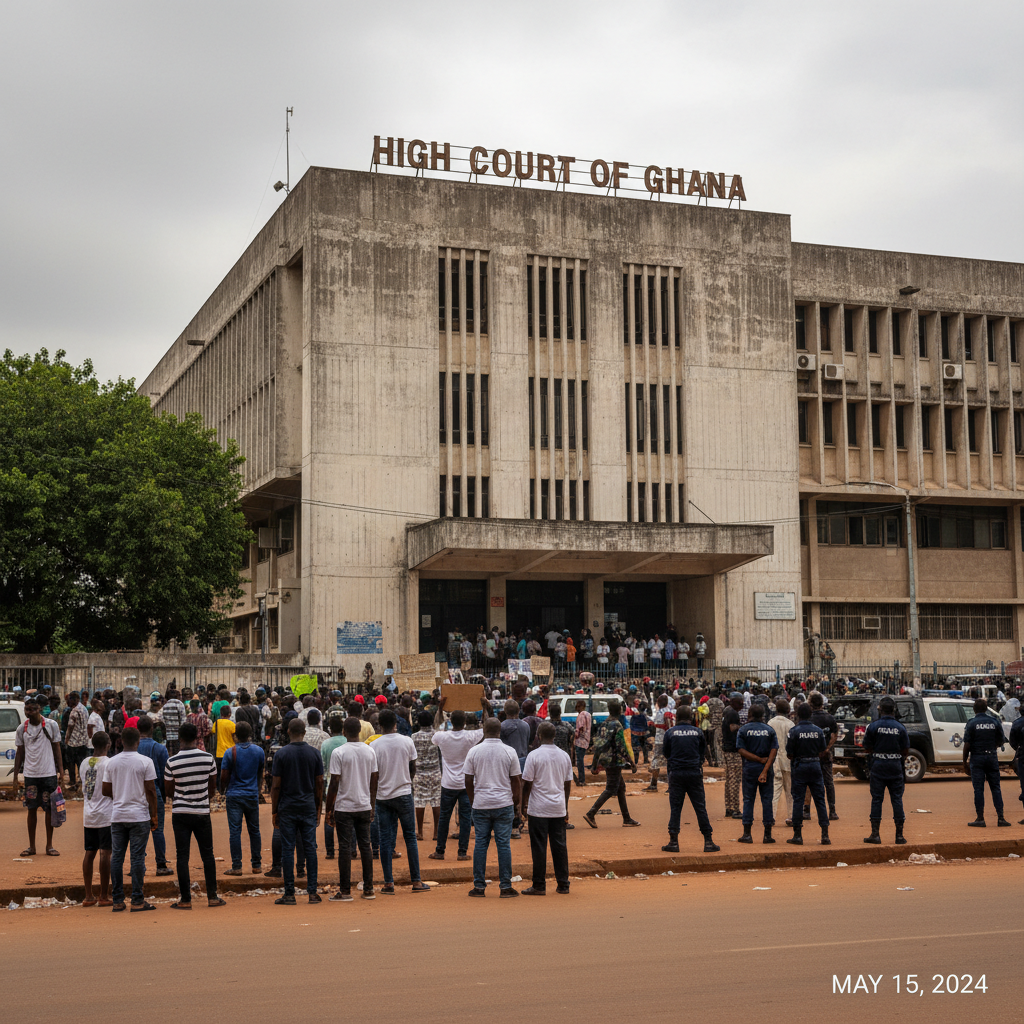
Bernard Antwi Boasiako, the New Patriotic Party (NPP) Ashanti Regional Chairman, has received a 20-year prison sentence with hard labour. An Accra High Court found Mr. Boasiako, popularly known as Chairman Wontumi, guilty of involvement in illegal mining activities.
This conviction stems from his role in illegal mining, often called 'galamsey', at Samreboi in the Western Region. The ruling has triggered strong reactions, with NPP executives and supporters gathering for a vigil in Kumasi to show solidarity. They are demanding his release as his legal team prepares to appeal the court's decision.
The conviction of a prominent political figure like Chairman Wontumi underscores Ghana's persistent challenge with illegal mining. 'Galamsey' operations cause severe environmental degradation, polluting water bodies and destroying farmlands. The government has launched various initiatives, including 'Operation Halt II', to combat this menace. However, the involvement of politically connected individuals often complicates enforcement efforts and raises questions about accountability. This case highlights the tension between political influence and environmental protection.
The New Patriotic Party has publicly affirmed its support for Chairman Wontumi throughout this legal ordeal. A party statement indicated the vigil aimed to demonstrate solidarity and mobilise members. This support signals the party's commitment to its regional chairman despite the serious nature of the charges. Such backing is common in Ghanaian politics when high-profile members face legal challenges.
This high-profile conviction and subsequent appeal will be closely watched by the public and political observers. The outcome could set a precedent for how illegal mining cases involving influential individuals are handled. It will also test the judiciary's independence and the government's resolve to tackle 'galamsey' without fear or favour. Future developments will reveal the long-term implications for environmental policy and political accountability in Ghana.
The case also brings into focus the economic costs associated with illegal mining. The destruction of agricultural land impacts food security and rural livelihoods. Water pollution increases treatment costs for utility providers and poses public health risks. The government loses potential revenue from legitimate mining operations due to widespread unregulated activities. This conviction could signal a renewed push for stricter enforcement and greater transparency in the mining sector.
Chairman Wontumi's legal team has stated they will challenge the High Court's judgment, citing over 20 alleged legal errors. These errors reportedly include constitutional breaches, which could form the basis of a strong appeal. The appeal process will involve detailed legal arguments and could extend for a significant period. This legal battle will likely keep the issue of illegal mining and political accountability in the national spotlight.
The public's perception of justice and fairness will be heavily influenced by the appeal's outcome. A successful appeal could be seen as a setback for anti-galamsey efforts, while upholding the conviction might strengthen public trust in the legal system. This case is a critical moment for Ghana's fight against environmental crimes and corruption. It demonstrates the complex interplay between law, politics, and economic development in the country.