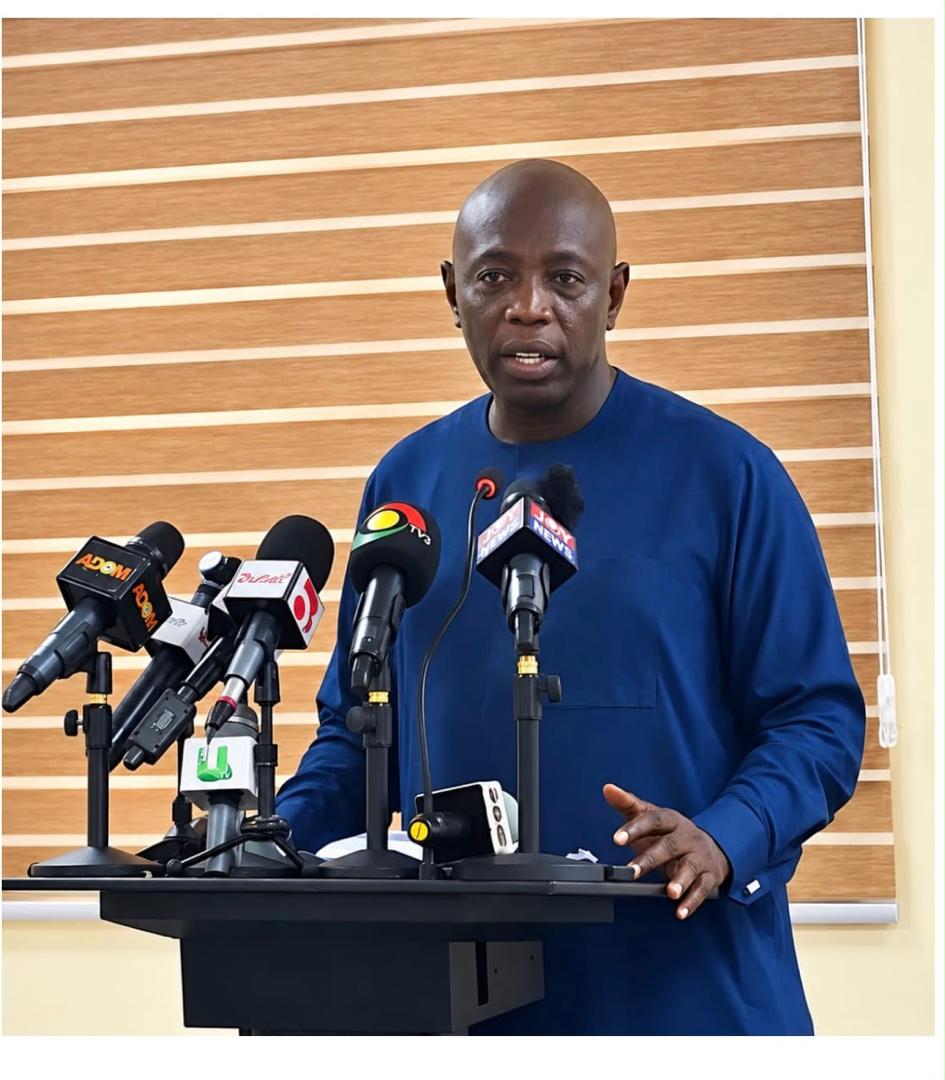
The Institute for Economic Research and Public Policy (IERPP) has warned that the National Petroleum Authority (NPA) Bill, 2026, could eliminate over 300 jobs at BOST Energies. This outcome is possible if Parliament passes the Bill in its current form, according to the Institute.
IERPP Executive Director Prof. Isaac Boadi stated the Bill's provisions grant the NPA and the sector minister excessive control. This control could undermine BOST's independent decision-making. The Institute estimates that weakening BOST's financial standing could affect close to 50% of its 658-member workforce. This translates to more than 300 potential job losses.
This development occurs as Ghana aims to strengthen its downstream petroleum sector regulation. Parliament is considering the NPA Bill 2026 to enhance oversight of fuel storage, transportation, and distribution. BOST plays a crucial role in managing Ghana’s strategic fuel reserves and maintaining essential petroleum infrastructure. Its financial and operational strength is therefore vital for the nation's fuel security. Any weakening of BOST could compromise this critical national mandate.
Prof. Isaac Boadi, speaking at a press conference in Accra, called for the Bill's withdrawal and a fundamental review. He highlighted that the proposed measures could constrain BOST despite its recent financial improvements. BOST reported GHS 3.81 billion in revenue for 2025. The company also recorded a profit after tax of GHS 683.96 million in the same year. Furthermore, BOST paid its first-ever dividend of GHS 34.2 million to the government.
The potential job losses conflict with the government's 24-hour economy programme, which aims to create and protect employment. Weakening BOST's financial position could hinder its ability to maintain strategic reserves. This could expose Ghana to fuel supply vulnerabilities. The IERPP advocates for a transparent and cost-reflective tariff system. It also calls for dedicated funding for strategic reserves. Measures to prevent unfair competition from private depots are also essential. The Institute insists the NPA should regulate effectively without taking over BOST's commercial functions. This ensures BOST can fulfill its national mandate.
Decision-makers must now weigh the regulatory objectives of the NPA Bill against its potential economic and social costs. Stakeholders will closely monitor Parliament's review of the Bill. The outcome will significantly impact BOST's future operations and Ghana's energy security. The government's commitment to job creation and economic stability will also be under scrutiny. Any changes to BOST's operational independence could affect its market position. This could also influence investor confidence in the state-owned enterprise sector.