Ghana's government has enacted a new mining law, granting local communities increased authority in decisions affecting mining operations. This legislative change seeks to ensure greater community participation and oversight in the nation's critical mining sector.
The new law directly addresses historical concerns about the impact of mining activities on local populations and their environment. It aims to foster more equitable benefit sharing and sustainable practices. This move could significantly alter how mining concessions are granted and managed across the country.
This development aligns with Ghana's ongoing efforts to reform its natural resource management framework. Previous policies often led to conflicts between mining companies and affected communities. The new legislation is expected to reduce these tensions and promote more inclusive economic development. Ghana's mining sector contributes significantly to its Gross Domestic Product (GDP) and export earnings.
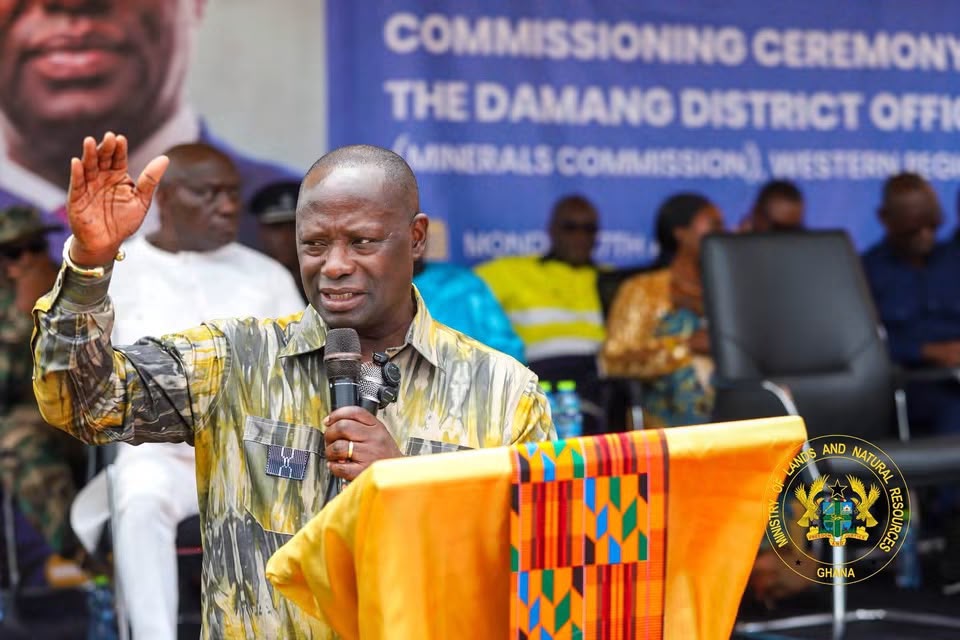
The Lands Minister, whose name was not specified in the source, confirmed the new law's intent. He emphasized the government's commitment to empowering local stakeholders. This commitment underscores a shift towards more transparent and community-centric governance in the extractive industries.
The implications of this law are far-reaching for both mining companies and local communities. Companies will need to engage more deeply with local populations and secure their consent for projects. Communities, in turn, will gain a stronger voice in environmental protection and resource allocation. Observers will closely watch how effectively the law is implemented and enforced across various mining regions. This legislative change could set a new standard for community engagement in Ghana's resource-rich economy. It also signals a potential increase in operational costs for mining firms due to enhanced social responsibility requirements. The government anticipates improved social license to operate for companies, leading to more stable long-term investments. This proactive measure aims to prevent future disputes and ensure that the benefits of mining are shared more broadly. The law represents a significant step towards balancing economic growth with social equity and environmental stewardship. It reflects a growing global trend towards responsible mining practices. The success of this law will depend on clear guidelines and robust enforcement mechanisms. Community leaders and civil society organizations will play a crucial role in monitoring its application. This legislative reform is a critical component of Ghana's broader economic strategy. It seeks to maximize the benefits from its natural resources for all citizens. The government's focus on community empowerment is a direct response to past challenges. These challenges included land degradation and displacement without adequate compensation. The new law provides a framework for addressing these issues more systematically. It is expected to enhance accountability within the mining sector. This initiative also supports Ghana's commitment to sustainable development goals. The long-term economic impact will be measured by improved community welfare and reduced social unrest. This legislative reform marks a pivotal moment for Ghana's mining industry. It signals a new era of collaboration and shared responsibility.