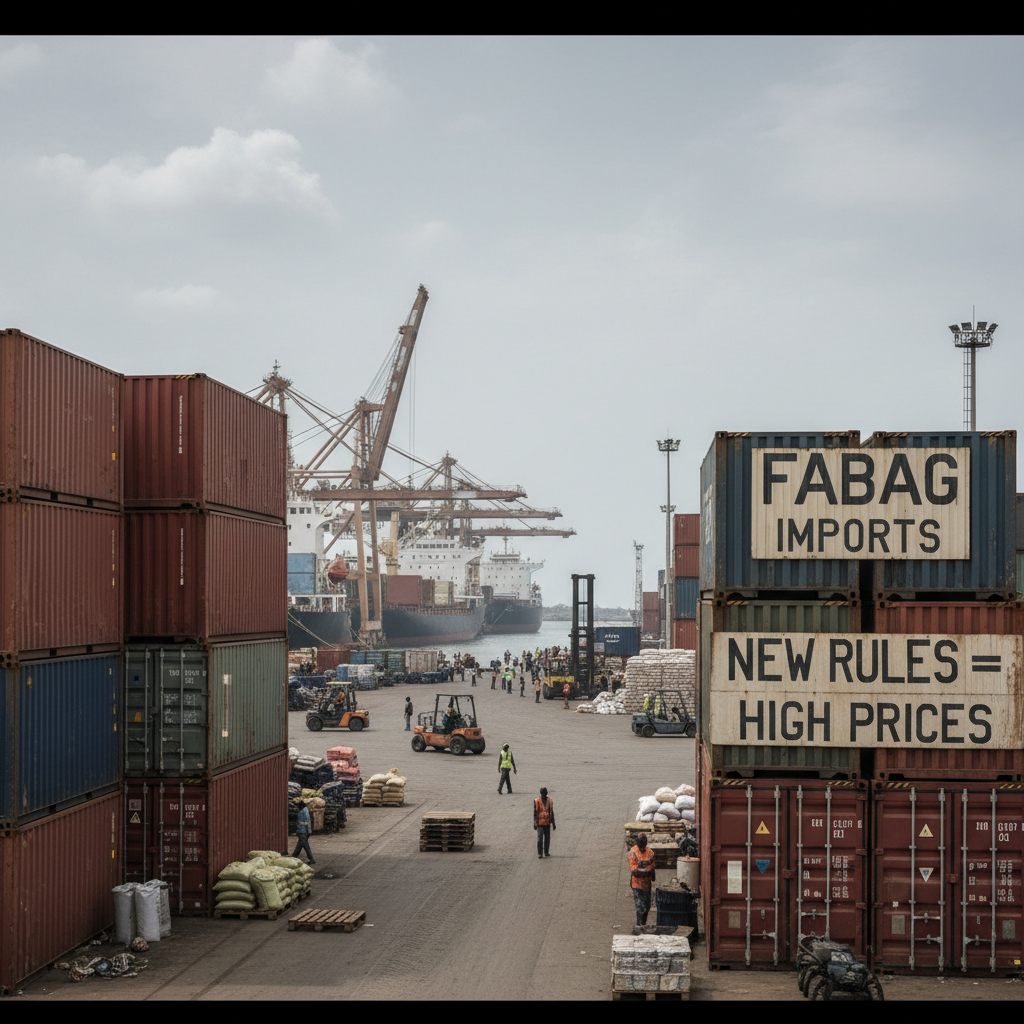
The Food and Beverages Association of Ghana (FABAG) has strongly opposed the Ghana Standards Authority’s (GSA) new Ghana Easy Pass Programme. FABAG warned that this mandatory pre-export conformity verification regime will increase the cost of doing business. These increased costs will ultimately push up consumer prices across Ghana.
FABAG described the new programme as an unnecessary financial burden on businesses. Many businesses are already grappling with rising operating costs and regulatory changes. Importers will face additional certification fees and administrative expenses. They will also endure shipment delays due to the new requirements.
This development fits into Ghana’s ongoing struggle with inflation and economic stability. Businesses have recently contended with increased utility tariffs for electricity and water. Additionally, high interest rates, volatile exchange rates, and escalating transport costs present significant challenges. The introduction of more compliance obligations further complicates the business environment. Government data from the Ghana Statistical Service shows inflation remains a key concern for households.
In a statement issued on Monday, July 6, FABAG labelled the policy “simply adding another tax by another name.” The association questioned the necessity of the new programme. They highlighted that multiple state institutions already have mandates to inspect and certify imported goods. The Food and Drugs Authority (FDA), Ghana Revenue Authority (GRA), and Ghana Ports and Harbours Authority (GPHA) already conduct these checks. FABAG believes existing agencies should be strengthened, not bypassed by new costly programmes.
The implementation of this programme could exacerbate inflationary pressures in the economy. Higher compliance costs for importers will translate into higher prices for consumers. This directly contradicts the government’s stated objective of reducing inflation. It also undermines efforts to improve the ease of doing business in Ghana. Decision-makers will closely monitor the programme’s effect on consumer prices and business investment. Markets will react to any signs of increased costs being passed on to the public.
FABAG expressed disappointment that the government revived a policy previously rejected by the business community. They called for President John Dramani Mahama to intervene immediately. The association specifically urged the President to suspend the Ghana Easy Pass Programme. They also requested that the GSA engage in genuine consultations with businesses. This consultation aims to find practical solutions without imposing avoidable costs on enterprises. FABAG called on all business groups to unite against the policy. They argue Ghana needs policies that encourage, not punish, enterprise. The long-term impact on foreign direct investment could be negative if business costs escalate further. This situation could affect job creation and economic growth.