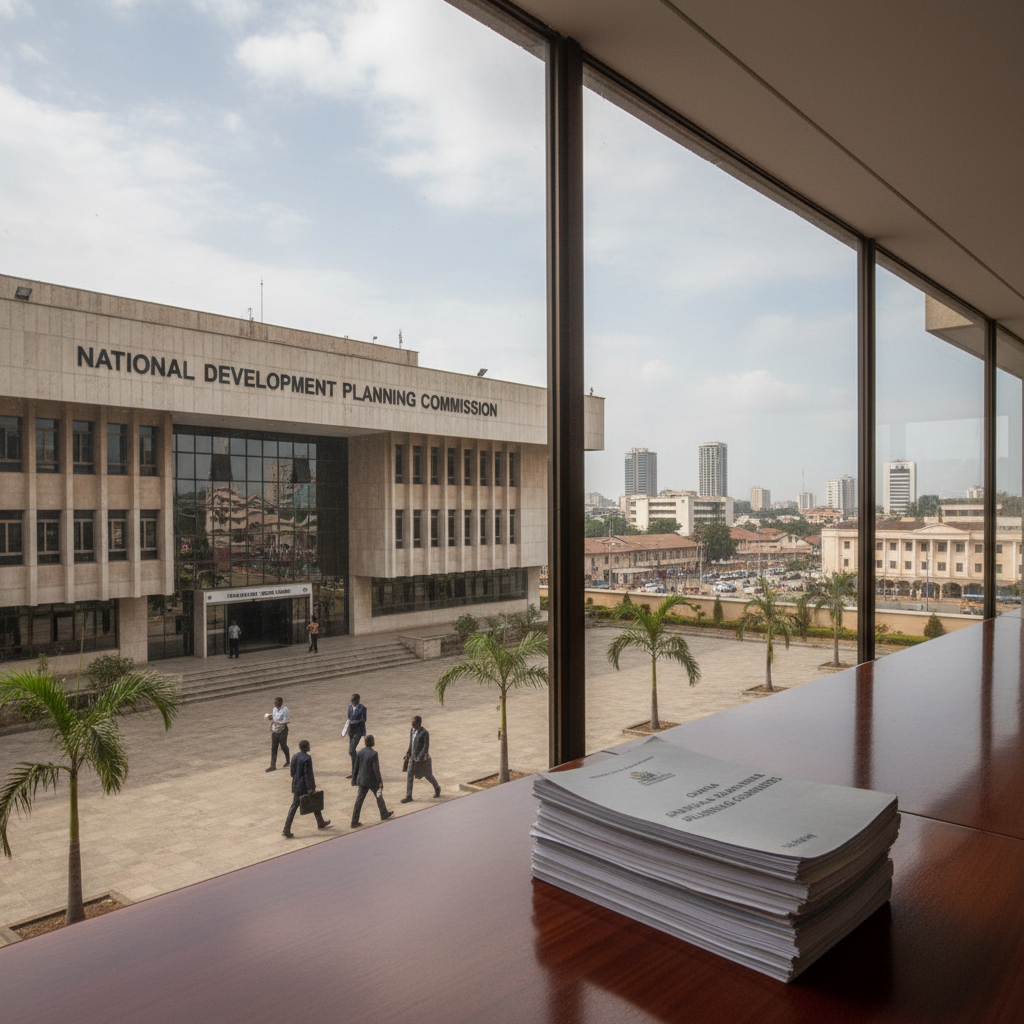
The National Development Planning Commission (NDPC) has started a comprehensive review of its Guidelines for the Operationalisation of the Regional Planning Coordinating Units (RPCUs) and District Planning Coordinating Units (DPCUs). These guidelines, which have directed Ghana's planning system for more than two decades, were originally developed in 2004.
This review aims to strengthen Ghana's decentralised planning system. It seeks to improve coordination, ensure greater accountability, and enhance development planning at regional and district levels. The initiative is critical for adapting to significant changes in Ghana's governance and planning landscape over the past 20 years.
The current planning guidelines no longer fully reflect modern realities, making this update crucial for Ghana's economic and administrative coherence. Legislative reforms, institutional restructuring, and the expansion of the Local Government Service have changed the framework. Events like the implementation of the Local Governance Act and Legislative Instrument (L.I.) 2232 necessitate a revision to ensure relevance and legal compliance. Ghana's ongoing focus on decentralisation and local development makes revised guidelines essential for effective resource allocation and project execution across its regions and districts.
Dr. Audrey Smock Amoah, Director-General of the NDPC, stated the review is necessary because the existing guidelines have served the country's planning system for over 20 years. She said the planning and governance landscape had changed considerably, requiring an updated document. Ms. Vera Baffoe, Principal Planning Analyst at the NDPC, explained the review intends to produce harmonised and legally aligned guidelines. These new guidelines will clearly define institutional responsibilities, strengthen planning coordination, and improve monitoring and accountability. She added that the revised document would incorporate recent reforms and align with existing legislation and national planning frameworks.
The review's outcome will directly influence how Ghana manages its regional and district development projects and allocates an estimated GHS 4.2 billion in annual decentralized funding. Decision-makers and markets will watch for how these new guidelines foster more efficient local governance and greater transparency. The revised framework will aim to tackle emerging challenges such as rapid urbanisation, flooding, and the complexities of cross-boundary planning. This initiative is expected to enhance regional development outcomes, potentially attracting further investment into Ghana's local economies.
The review commenced at an inception meeting on Thursday, July 2, 2026, in Accra. Senior representatives from Ministries, Departments and Agencies (MDAs), Regional Coordinating Councils (RCCs), and Metropolitan, Municipal and District Assemblies (MMDAs) attended. Development partners and planning professionals also participated, discussing the scope and methodology. Ms. Laetitia Erny, Head of Component, Data Management for Local Governance PAIReD at GIZ, reaffirmed the organisation's commitment to supporting the review. Mr. Samuel Seth Passah, Director for Local Governance and Decentralisation at the Ministry of Local Government, Chieftaincy and Religious Affairs, highlighted the important role Regional Coordinating Councils play in providing technical oversight.
Stronger oversight by Regional Coordinating Councils and improved coordination between central and local government institutions could significantly improve development project delivery. This will be critical for Ghana to achieve its national development priorities. The comprehensive nature of this review indicates a serious effort to improve the effectiveness of decentralised governance. It has the potential to boost economic growth and social progress across all regions of Ghana.