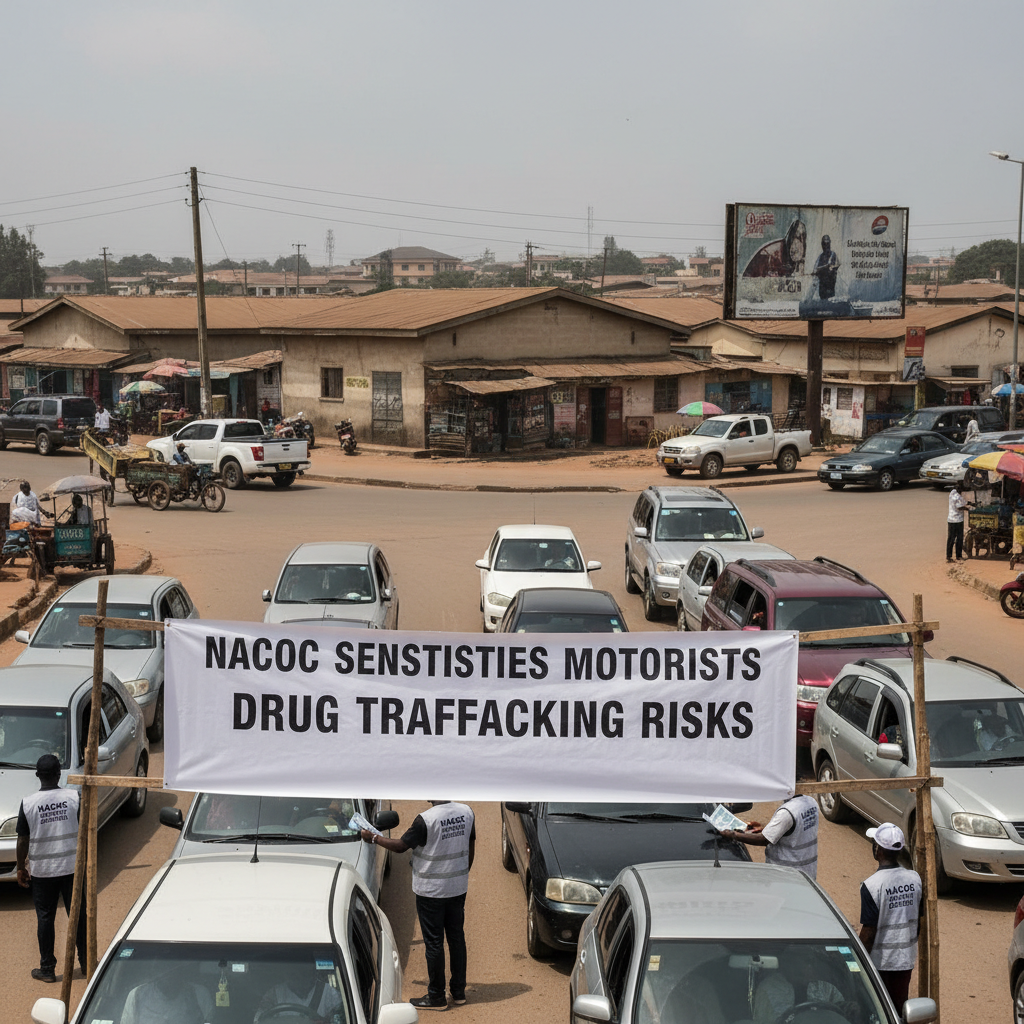
The Narcotics Control Commission (NACOC) has intensified its campaign against drug trafficking in the Ashanti Region. This campaign focuses on educating commercial tricycle and motorbike riders about the severe legal consequences of transporting illicit drugs. This initiative stems from intelligence suggesting these riders often unknowingly assist drug traffickers in moving narcotics from bus terminals to final destinations.
Samuel Yeboah, the Ashanti Regional Commander of NACOC, stated that the Commission engaged riders because they play a key role in the illegal drug trade. Drug dealers often send these riders to collect and deliver drugs. NACOC aims to inform them of the risks so they refuse suspicious packages. Anyone found transporting narcotics could face 10 to 25 years in prison if convicted. The Commission clarified that cooperation with investigators, while helpful in apprehending masterminds, does not exempt transporters from prosecution.
This educational drive highlights Ghana's ongoing struggle with drug trafficking and the government's efforts to enhance public safety. Law enforcement agencies face significant challenges in controlling the movement of illegal substances. The sensitisation program aligns with broader national efforts to involve communities in combating crime. Data from previous years shows a persistent challenge in controlling drug distribution networks across various regions.
Mr. Yeboah also highlighted critical resource shortages impeding NACOC's operations. The Commission currently maintains offices in only 9 districts across the Ashanti Region. This limited presence restricts its capacity to address drug-related issues effectively across all districts. He appealed for increased logistical support from individuals, philanthropists, and corporate organisations to acquire more offices, vehicles, motorbikes, and personnel.
A notable deficiency is the absence of a dedicated drug scanner at the airport. This lack complicates the detection of drug couriers and obstructs efforts to intercept illicit substances entering or leaving the region. Strengthening NACOC's capabilities is essential for enhancing national security and public health.
Abu Sadick, Chairman of the Adedeta Tricycle Association in the Asokore Mampong Municipality, praised NACOC's sensitisation programme. He noted that the training empowered riders with vital knowledge to avoid becoming accomplices in drug-related crimes. Mr. Sadick explained that many drivers previously transported goods without questioning their contents. The training has now shifted this mindset, encouraging riders to verify packages before accepting jobs.
The improved awareness among commercial riders could disrupt low-level drug distribution networks. Riders are now more aware of their responsibility to report suspicious activities to authorities. This collective vigilance is crucial for enhancing the effectiveness of law enforcement efforts. The appeal for increased resources underscores the need for sustained investment in Ghana's anti-narcotics capabilities. Further support will enable NACOC to widen its reach and implement more comprehensive strategies to combat drug trafficking across the nation.