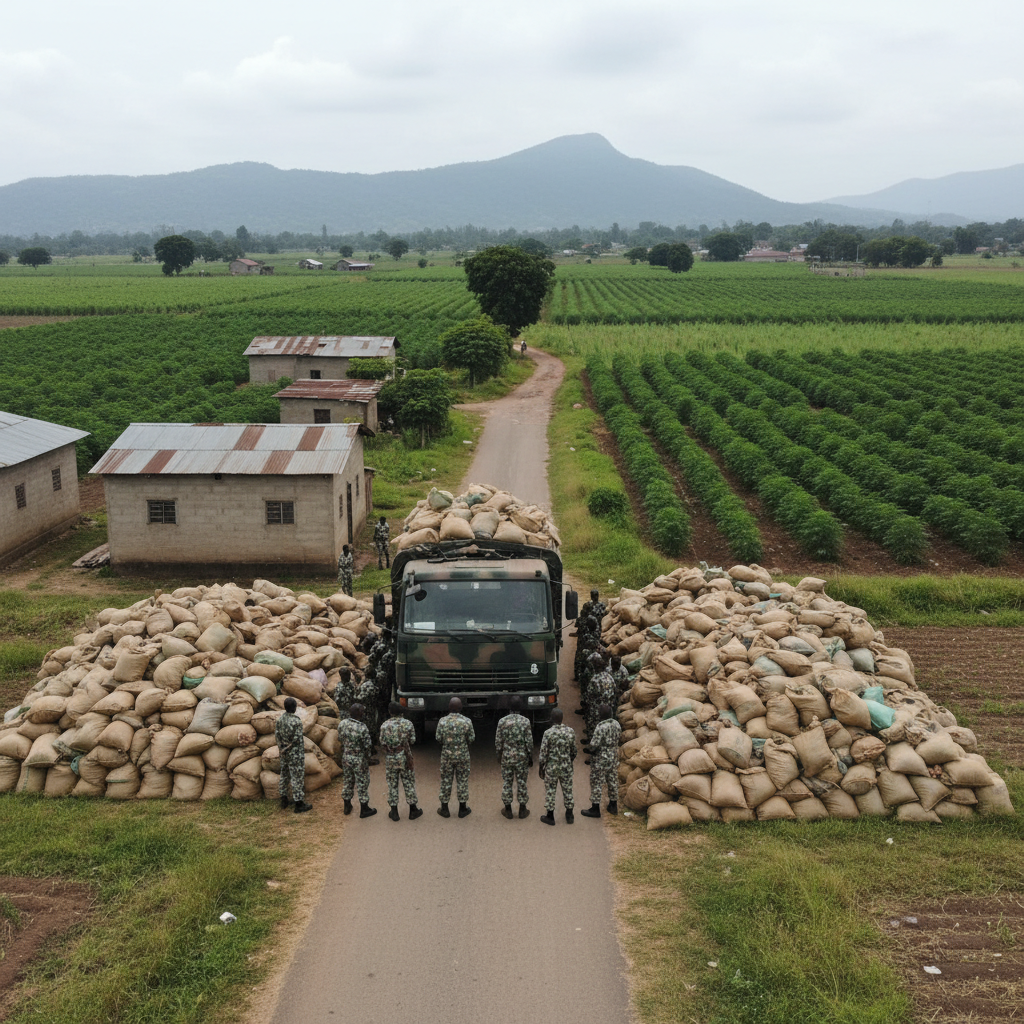
Ghana's Narcotics Control Commission (NACOC) recently seized over 2 tonnes of suspected cannabis with a street value exceeding GHS 1 million in the Volta Region. This significant operation targeted a farmhouse and warehouse, highlighting intensified intelligence-led efforts by authorities.
The seizure comes as NACOC, in collaboration with the UHAS Basic School (UBS), called for substantial investment in youth empowerment, education, and community engagement. Both organizations believe these tools are critical in the ongoing fight against drug abuse and illicit trafficking. They warn that underlying issues like poverty, unemployment, and limited economic opportunities fuel these illegal activities, making law enforcement alone insufficient.
This initiative aligns with Ghana's broader economic and social development agenda, which aims to address root causes of crime and foster human capital. Persistent challenges such as cannabis cultivation and drug trafficking impact regional economies. The exploitation of young people by criminal networks also creates a significant social cost. The United Nations Office on Drugs and Crime (UNODC) reports nearly 300 million people worldwide use drugs, with millions lacking access to treatment. These global figures underscore the urgency of Ghana's local efforts to protect its youth and maintain economic stability.
Mr. Worlanyo Fianu, the Volta Regional Commander of NACOC, commended the UHAS Basic School for its consistent efforts in drug prevention. He stated, “If the threats are evolving, then our shield, our young people, must also be equipped, informed and strengthened to withstand them.” Mr. Fianu also referenced another operation in Kolenu, Wegbe, and Akplamafu where officers dismantled an interconnected cannabis cultivation and processing network. He stressed that prevention now requires building confidence, identity, resilience, and support systems for young people.
The current focus on youth empowerment and education implies a long-term strategy to safeguard Ghana's future workforce and economic potential. Decision-makers and communities will closely monitor the effectiveness of these combined law enforcement and educational approaches. Continued investment in social programs and economic opportunities in vulnerable regions like the Volta Region will be crucial. This integrated strategy aims to reduce reliance on illicit economies and promote sustainable development, impacting national health and productivity indicators.
Professor Frank Edwin, Pro Vice-Chancellor of UHAS, emphasized the university's pride in its Basic School's annual observance. He noted that prevention starts in schools, homes, and communities. He also stated, “By creating awareness early in life, we are equipping our young people with the knowledge and confidence to make healthy choices.” Professor Edwin urged schools nationwide to make drug education a year-round activity. This educational emphasis supports the long-term goal of fostering a healthy and productive citizenry. Mr. Seth Korgah, Head of School at UHAS Basic School, added that investment in prevention is far less costly than treating addiction. He highlighted that drug addiction destroys individuals, unlike illegal mining which destroys land. This sentiment reinforces the economic benefit of proactive prevention strategies.