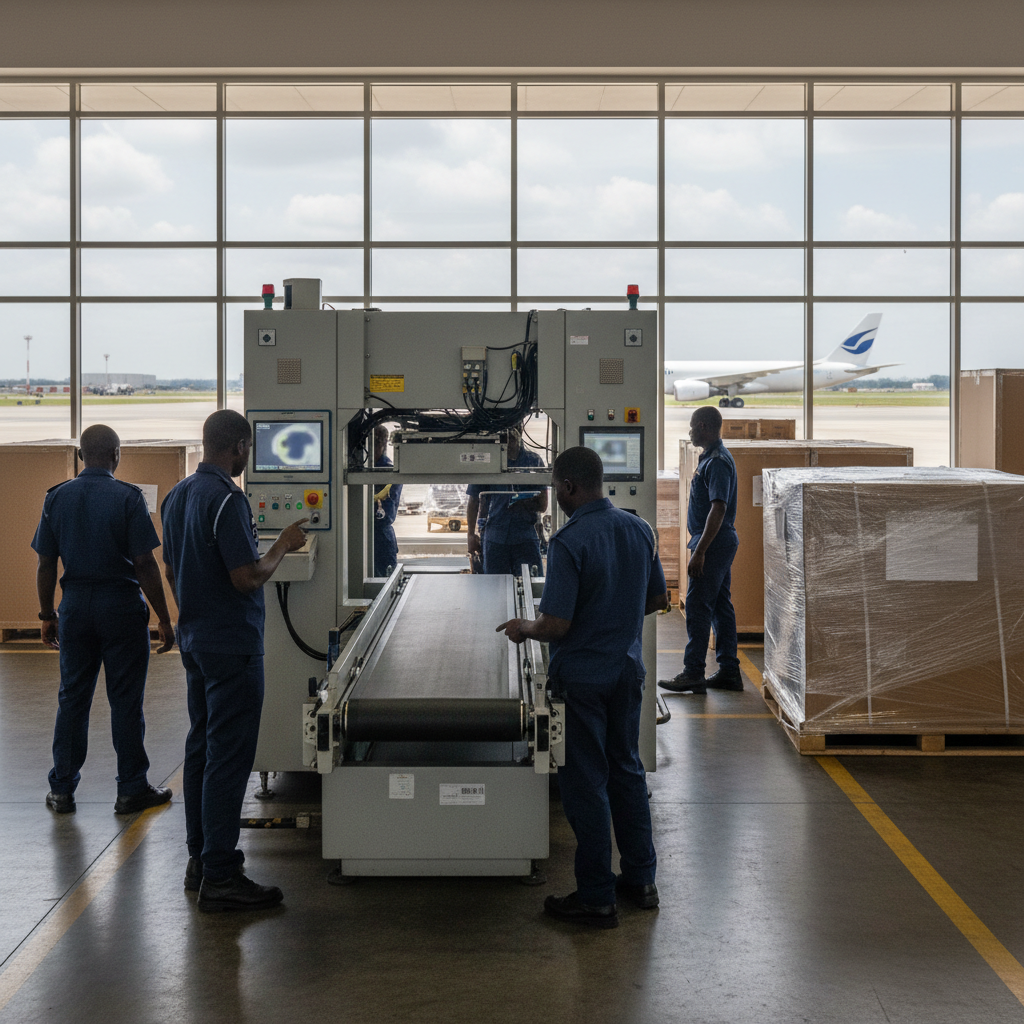
Ghana’s Narcotics Control Commission (NACOC) will deploy new drug detection scanners at Accra International Airport by August 2026. These new mobile and intrusive scanners aim to strengthen border security and curb the increasing drug trafficking activities.
This initiative follows concerns that Ghana is becoming a significant transit and distribution hub for illicit drugs. The rollout of new equipment comes after the recent arrest of a suspected drug kingpin. This arrest was linked to the seizure of 320 kilograms of methamphetamine in Australia, disguised in a charcoal shipment from Ghana.
The deployment fits into Ghana's broader strategy to combat narcotics. The government has significantly increased NACOC's operational capacity across the country. This includes expanding district commands from fewer than 10 to 77 nationwide, covering all 16 regions. NACOC has also received 27 operational vehicles for field deployments, enhancing its reach and response capabilities.
Brigadier General Maxwell Obuba Mantey, Director-General of NACOC, confirmed the government's provision of mobile drug detection scanners on June 25. He stated that the full replacement of body and baggage intrusive scanners at Accra International Airport is a collaboration with the Government of the Kingdom of the Netherlands. These critical scanners have been non-operational for over three years, creating a significant security vulnerability.
The upgraded scanning systems are expected to become fully operational in August 2026. This move will significantly enhance Ghana's ability to interdict drug shipments at its primary international gateway. The improved detection capabilities are crucial for protecting Ghana's international reputation and public safety.
Further, NACOC plans to establish a dedicated training institution for narcotics officers. A 100-acre parcel of land has been secured in the Akwamu Traditional Area for this purpose. This investment underscores a long-term commitment to developing a skilled professional workforce capable of tackling complex drug-related challenges. This institution will train the next generation of narcotics professionals, ensuring sustained efforts against drug trafficking.
The commission’s intensified operations reflect a growing national concern over drug abuse and illicit trafficking. This development holds significant implications for regional security and international trade relations. Effective drug interdiction directly impacts the financial flows associated with organised crime, which can destabilise economies. The global fight against narcotics requires robust border controls and international cooperation, of which Ghana's actions are a part.
The financial implications for illicit trade are substantial, with drug trafficking often generating billions of dollars globally. By investing in these security measures, Ghana aims to reduce its vulnerability to such illicit financial activities. This commitment is expected to send a strong message to international drug syndicates. Stakeholders will closely watch the operational effectiveness of these new systems. The success of this initiative will be vital for Ghana's economic stability and its standing in the global community.