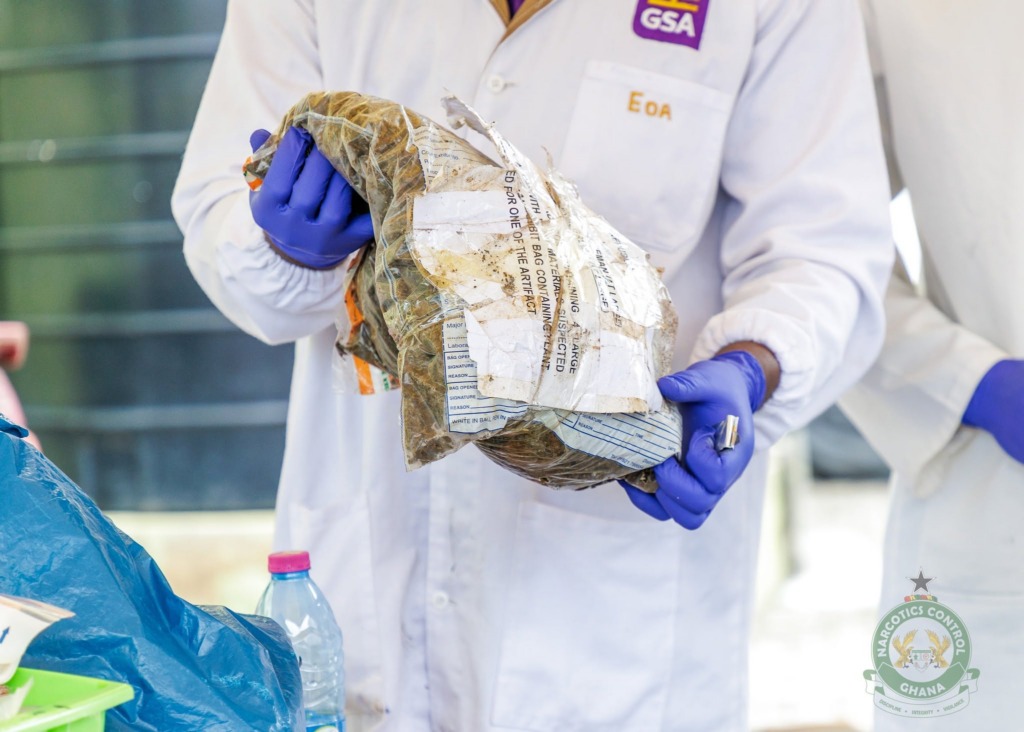
Ghana's Narcotics Control Commission (NACOC) has directed all individuals, businesses, institutions, and organizations handling precursor chemicals, psychotropic substances, and controlled laboratory equipment to register with the Commission by July 31, 2026. Failure to comply will result in legal action. This mandate seeks to enhance oversight and regulation of chemicals and equipment often diverted for illegal drug production.
This registration requirement is a nationwide effort to prevent the misuse of these materials. Criminal elements frequently exploit such substances and equipment to manufacture illegal narcotics and psychotropic drugs. The directive affects a wide range of operators, including importers, manufacturers, distributors, and even research centers. It aims to safeguard public safety and national security by restricting access to these sensitive materials.
This initiative fits into Ghana's broader commitment to combating illicit drug activities. The country is a key transit point for narcotics in West Africa, making stringent control measures essential. Previous efforts have focused on international cooperation and border security. This new directive strengthens the domestic regulatory framework, targeting the supply chain of drug production. It also emphasizes Ghana's adherence to international legal obligations concerning narcotic control.
NACOC stated that the registration is in line with the Narcotics Control Commission Act, 2020 (Act 1019). This legislation empowers the Commission to regulate and monitor substances that can be used for illegal drug manufacturing. Under Act 1019, any entity involved with these materials must secure the necessary licence and authorization before operating. This legal backing provides NACOC with clear authority to enforce the new registration deadline.
The move has significant implications for businesses and institutions across several sectors. Companies involved in chemical sales, laboratories, educational institutions, and industrial users must assess their compliance status. They must initiate the registration process promptly to avoid legal repercussions, including administrative, civil, or criminal sanctions. Existing operators also need to ensure their current registrations and licenses remain valid and renewed.
NACOC has outlined a broad range of controlled equipment falling under its framework. This includes machines such as encapsulating and tableting machines, along with scientific tools like rotary evaporators and high-capacity laboratory glassware. These items, easily diverted for illicit purposes, must now be formally declared and monitored. The Commission urges all affected parties to complete their registration before the July 31, 2026 deadline. This proactive measure will prevent potential disruptions to legitimate operations while enhancing national security.