Ghana’s Parliamentary Minority Caucus has challenged the ratification of six mining lease agreements. They accuse the government and the Majority in Parliament of reducing the House to a mere “conveyor belt” for approvals without proper scrutiny. This challenge highlights significant concerns about the protection of Ghana’s mineral wealth and adherence to constitutional processes.
The Minority argues that Parliament’s constitutional duty is to safeguard Ghana’s mineral resources for its citizens. It should not simply endorse agreements presented by the Executive. The caucus identified several serious deficiencies in the documents submitted for approval. These included unsigned cadastral plans, missing endorsements from survey authorities, and lease documents with signatures but no names. Some applicants also failed to attach programmes of mining operations, which are essential for proper project assessment.
This situation fits into a broader narrative of parliamentary oversight and resource management in Ghana. The country relies heavily on its natural resources, particularly minerals, for economic development. Ensuring transparency and due diligence in mining agreements is crucial for sustainable growth and public trust. Past instances of resource exploitation have often faced public scrutiny, making this challenge particularly relevant.
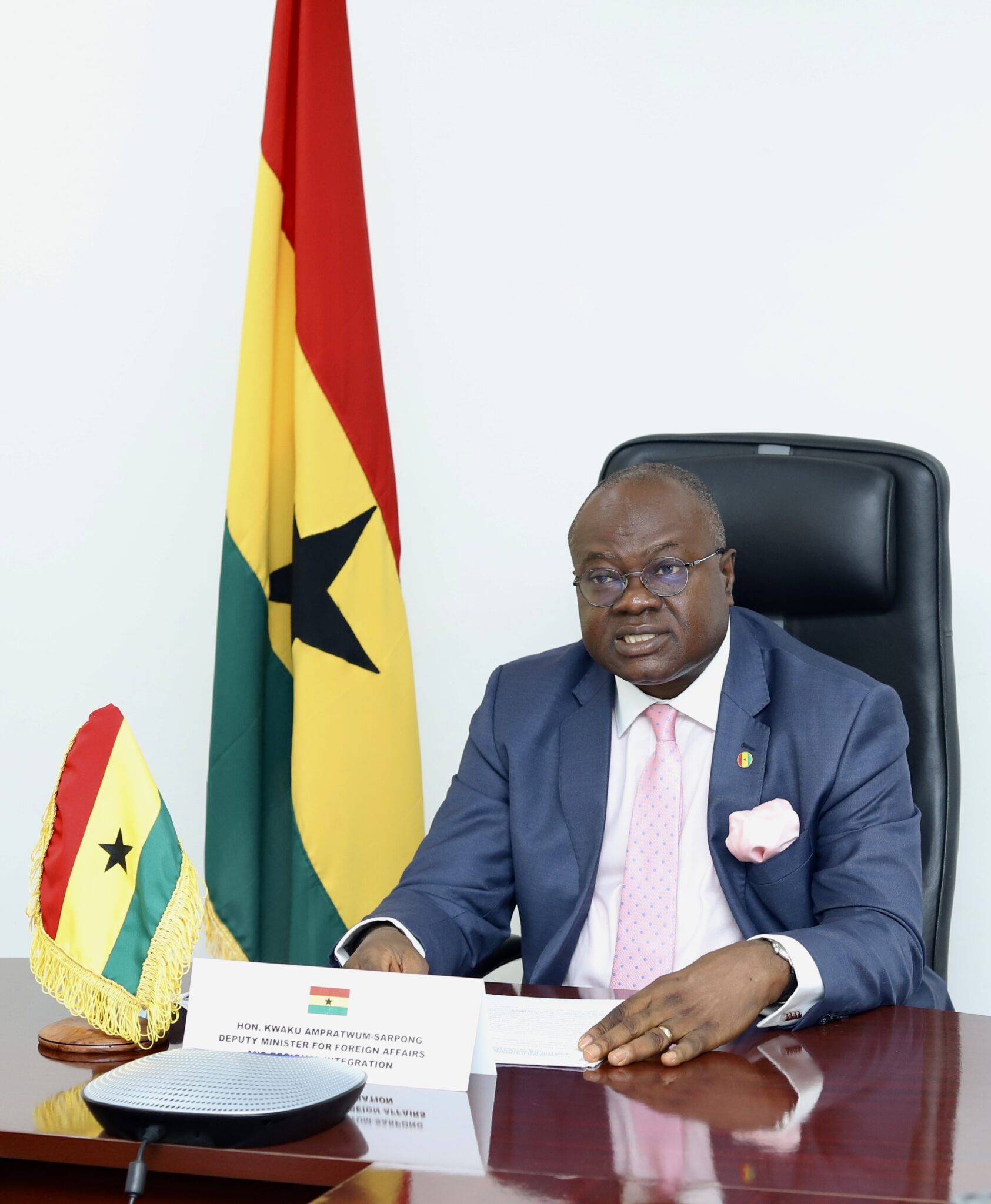
Mr. Kwaku Ampratwum Sarpong, the Ranking Member on the Committee, stated, “Our concern is simple; Parliament cannot compromise the national interest by approving defective mining leases involving Ghana’s mineral wealth, without the level of scrutiny that the Constitution demands.” He emphasized that while the Minority supports responsible investment, it opposes defective agreements and approval processes that undermine Parliament’s oversight role. The Minority also alleged that the Minerals Commission performed a “shoddy job” in due diligence before submitting the agreements.
The implications of this challenge are significant for future mining investments and parliamentary procedures. If the concerns raised by the Minority are validated, it could lead to a re-evaluation of the approval process for major resource agreements. Decision-makers and the markets will closely watch how this dispute unfolds. It could influence investor confidence and the government’s approach to resource governance. The outcome will also set a precedent for Parliament’s role in safeguarding national assets under the 1992 Constitution.
The Minority further questioned the constitutionality of mining activities that allegedly began before parliamentary ratification. They cited Article 268(1) of the Constitution, which mandates parliamentary approval for mining agreements. Allowing companies to mine before approval reduces Parliament to a “rubber stamp,” a dangerous precedent the Minority rejects. This practice undermines the fundamental principle of constitutional obedience.
Additionally, the caucus expressed concern over one specific agreement involving a strategic producing mine. They argued that such a transaction required far greater scrutiny. Parliament should have received all supporting documents, including tender committee reports and financial terms. This would have enabled members to make informed decisions. The Minority believes this transaction presented an opportunity to negotiate a higher state equity participation, beyond the existing 10% free carried interest.
The State’s statutory 10% free carried interest in mining operations was allegedly omitted from some agreements. The Minority described this omission as a serious governance issue. This equity participation is neither optional nor discretionary. Its absence points to a significant lapse in quality assurance for agreements involving valuable national assets. These deficiencies, taken together, indicate an unacceptable lack of rigor in managing Ghana’s mineral wealth.