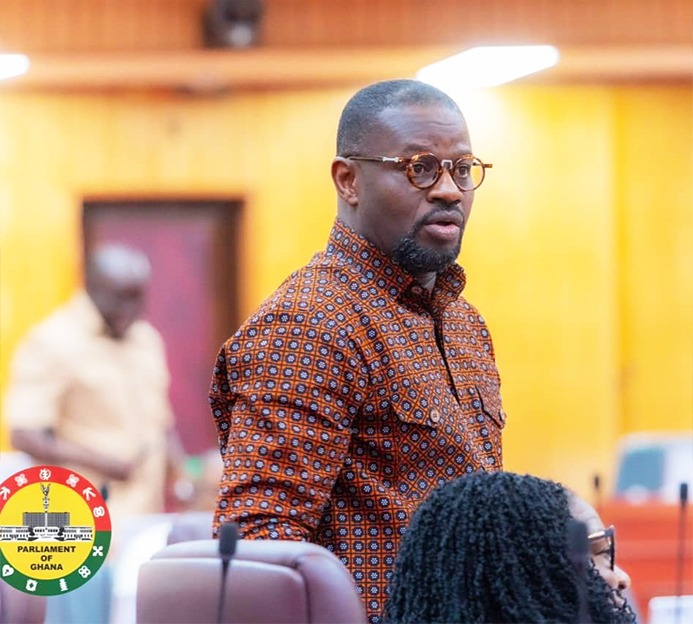
Ghana's Minister-designate for Environment, Science and Technology, Dr. Zenator Agyeman-Rawlings, has presented her strategy to address pressing environmental challenges. During her ministerial vetting, she faced detailed questions from Mr. Frank Annoh-Dompreh, the Minority Chief Whip and Member of Parliament for Nsawam-Adoagyiri. Dr. Agyeman-Rawlings outlined practical measures for mercury pollution, plastic waste, and landfill management.
Mr. Annoh-Dompreh specifically questioned the continued use of mercury in small-scale gold mining. This practice raises significant environmental and public health concerns. Traces of mercury have reportedly appeared in agricultural products and foodstuffs, posing a danger to human health. The MP pressed for concrete steps to track and control mercury use effectively.
Dr. Agyeman-Rawlings responded by referencing Ghana’s obligations under the Minamata Convention. This international agreement restricts the use of hazardous chemicals like mercury. She explained that practical monitoring would involve the Environmental Protection Agency conducting spot checks. These checks would include unannounced inspections and testing. The relevant institutions would also need appropriate equipment and capacity for effective testing and monitoring of mercury use.
The discussion then shifted to Ghana's growing plastic waste problem. Mr. Annoh-Dompreh sought to understand the nominee's plans for this major environmental challenge. He asked if Ghana could realistically make significant progress against plastic pollution. He also inquired about the specific measures she would pursue to achieve this objective.
Dr. Agyeman-Rawlings confirmed Ghana already possesses a policy framework for plastic waste. She disclosed that a ban on polystyrene is expected within the first six months of her tenure. Further consideration will be given to other single-use plastics. She also proposed increased investment in scientific research, particularly through the Council for Scientific and Industrial Research (CSIR). This research would focus on developing biological alternatives to conventional plastics.
Ghana possesses several plant-based resources that could become alternatives to plastic materials. Dr. Agyeman-Rawlings cited hemp and cassava as examples. These resources could create materials that break down more easily. This would help reduce the persistence of plastic waste in the environment. Such innovation could significantly reduce Ghana's plastic footprint and promote a circular economy.
The vetting also covered the management of waste at landfill sites. Mr. Annoh-Dompreh highlighted the environmental and health risks from improperly managed waste disposal. He noted Ghana has not yet achieved desired levels of waste reclamation and recycling. Concerns were raised about leachate, a contaminated liquid from landfills. Leachate can seep into soil and groundwater, creating serious health hazards. Examples cited included landfill situations in Sowah and Sumea, as well as sites in Accra and the Eastern Region.
The Nsawam-Adoagyiri MP stressed that waste should be viewed as a resource. He asked about the minister-designate's approach to solid waste and landfill management. Dr. Agyeman-Rawlings's proposals indicate a shift towards more proactive environmental governance. Her plans aim to protect public health and promote sustainable development. The focus on practical implementation and scientific innovation signals a determined effort to tackle Ghana's environmental challenges head-on.