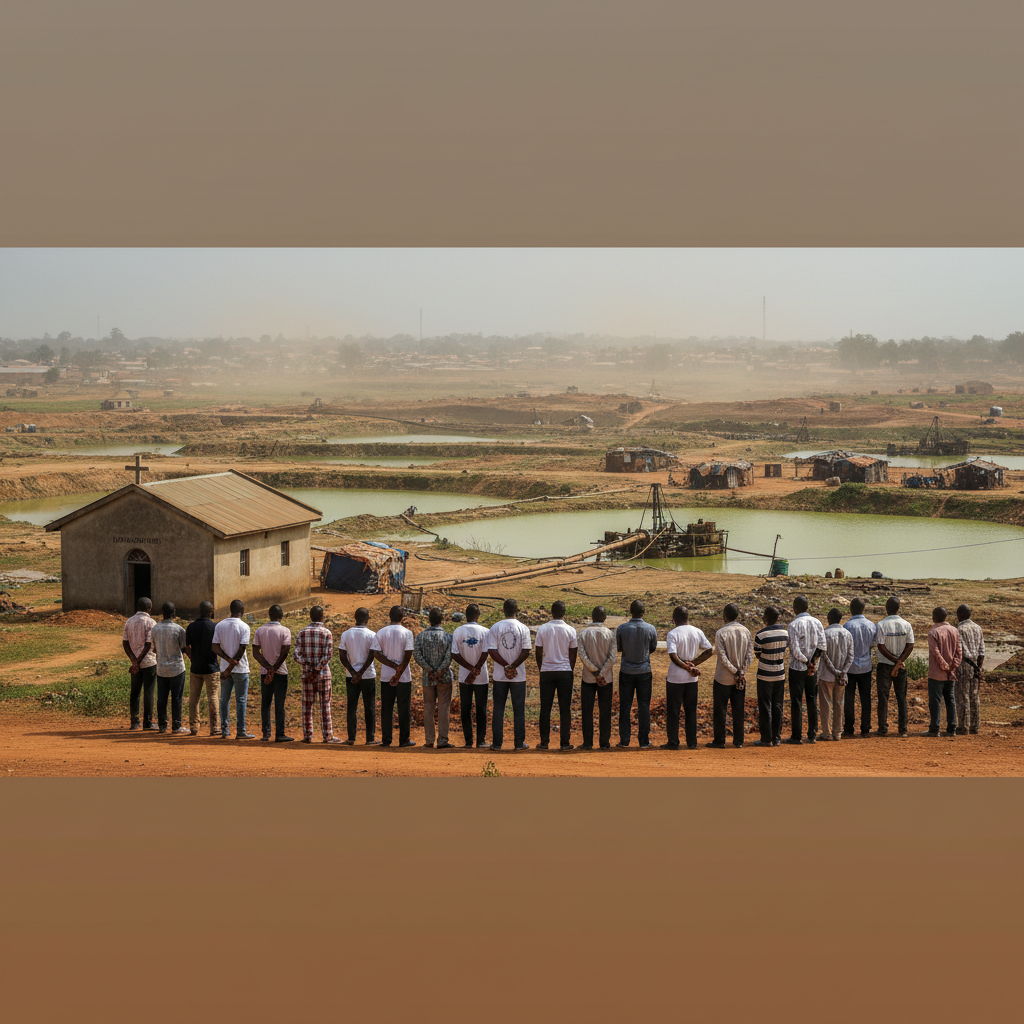
The Methodist Church Ghana has renewed its call for urgent and sustained action against illegal mining, popularly known as galamsey. The church warns that the destruction of farmlands and contamination of water bodies pose a growing threat to the country’s future.
Presiding Bishop Most Rev. Prof. Johnson Kwabena Asamoah-Gyadu stated that religious institutions can no longer remain on the sidelines. Environmental degradation continues to affect communities across Ghana. He urged churches and other faith-based organisations to take a more active role in protecting Ghana’s natural resources.
This renewed call comes as Ghana grapples with the severe economic consequences of galamsey, including reduced agricultural output and increased costs for water treatment. The widespread environmental damage undermines long-term food security and public health. The government has previously launched initiatives like Operation Halt II to combat illegal mining, but results remain mixed.
Speaking at the opening of the Methodist Church Ghana’s 52nd Conference in 2026, Most Rev. Prof. Asamoah-Gyadu highlighted recent devastating floods. He stated these floods exposed shortcomings in how Christians approach environmental stewardship. He emphasized that the destruction of arable land and pollution of water bodies through illegal mining should be treated as a matter of collective responsibility.
The Church’s commitment to environmental protection must reflect in tangible outcomes, not just declarations. Most Rev. Prof. Asamoah-Gyadu stressed that vision and mission statements must not remain empty slogans. He called for measurable outcomes to assess the church's effectiveness in its duties. This implies a shift towards practical interventions beyond mere advocacy.
The persistent threat of galamsey continues to impact Ghana’s economy significantly. The agricultural sector, a major employer and contributor to Gross Domestic Product (GDP), suffers from degraded land and water sources. This affects the livelihoods of millions of farmers and rural communities. Contaminated water bodies also strain public health systems and increase the cost of providing potable water to urban centers.
The Methodist Church’s strong stance adds to growing public pressure on authorities to implement more effective measures. Stakeholders will watch for concrete policy responses from the government. These responses must address the root causes of illegal mining and enforce existing environmental protection laws more rigorously. The long-term economic stability of Ghana depends on safeguarding its natural capital.
The call for action also highlights the potential role of civil society and religious bodies in national development. Their advocacy can mobilize communities and influence policy direction. Effective collaboration between government, traditional leaders, and religious institutions is crucial for a sustainable solution. Protecting Ghana's natural resources is an investment in its future economic prosperity and the well-being of its citizens.