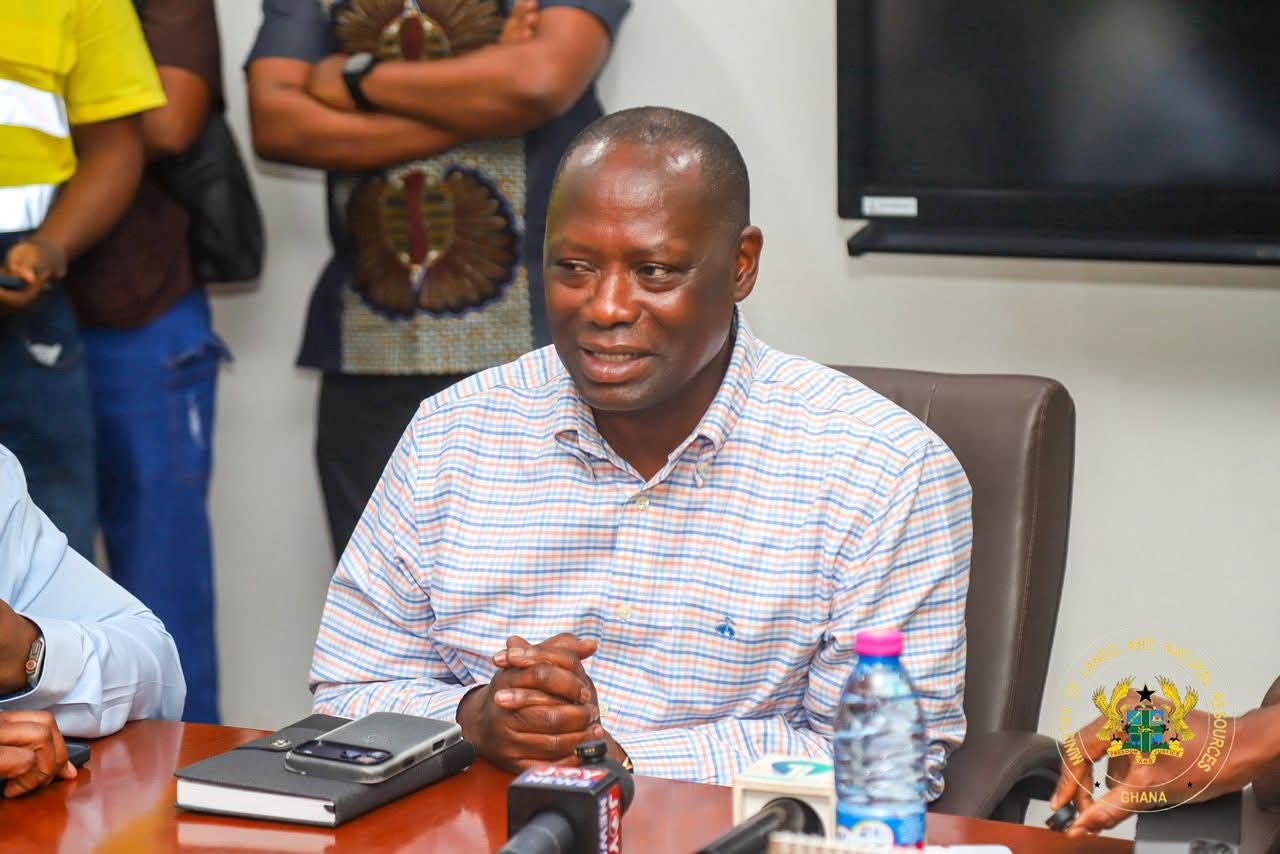
Ghana's Lands Minister has officially received the review committee’s report concerning the revocation of Adamus Resources’ mining licence. This submission marks a significant step in resolving the dispute surrounding the company's concession. The report will guide the government's final decision on the matter.
The revocation of Adamus Resources' licence has been a contentious issue, drawing attention to the regulatory environment in Ghana's mining sector. The review committee was established to thoroughly investigate the circumstances leading to the initial decision. Its findings are crucial for ensuring fairness and transparency in mining operations.
This event fits into a broader narrative of Ghana's efforts to streamline its mining sector and combat illegal mining, often referred to as 'galamsey'. The government has intensified its oversight of mining concessions to ensure compliance with environmental and operational standards. Such reviews are vital for maintaining investor confidence while protecting national resources.
While specific details of the report are not yet public, the Minister's receipt of the document indicates progress. The government aims to make informed decisions that balance economic development with sustainable resource management. This process underscores the importance of robust regulatory frameworks in the extractive industries.
The implications of this report are far-reaching for both Adamus Resources and the wider mining industry in Ghana. A definitive resolution could either restore Adamus's operational rights or confirm the revocation, potentially setting a precedent for future licence disputes. Investors and industry stakeholders will closely watch the government's response, as it will signal Ghana's commitment to predictable and fair regulatory practices.
The mining sector is a cornerstone of Ghana's economy, contributing significantly to its Gross Domestic Product (GDP) and export earnings. Gold, in particular, is a major export commodity. The government's handling of this case will influence perceptions of Ghana as an investment destination for mining companies. Clear and consistent policy application is essential for attracting and retaining foreign direct investment in this critical sector.
The review committee's work highlights the government's commitment to due process even in complex regulatory actions. This commitment is important for Ghana's international standing and its ability to attract responsible mining companies. The final decision will reflect the government's stance on resource governance and investor protection.
Moving forward, the Lands Minister will likely study the report's recommendations before making a public statement or taking further action. This period of deliberation is critical for ensuring that all legal and economic considerations are thoroughly addressed. The outcome will shape future interactions between the government and mining concession holders.
The resolution of the Adamus licence issue will also impact local communities affected by mining operations. Ensuring that mining activities benefit these communities and adhere to environmental safeguards is a key government priority. The report's findings may also shed light on these aspects, influencing future policy decisions.
Ultimately, this development underscores the dynamic nature of Ghana's mining landscape. The government's actions in this case will serve as a benchmark for how it manages its valuable natural resources. Transparency and adherence to legal frameworks remain paramount for sustainable growth in the sector.