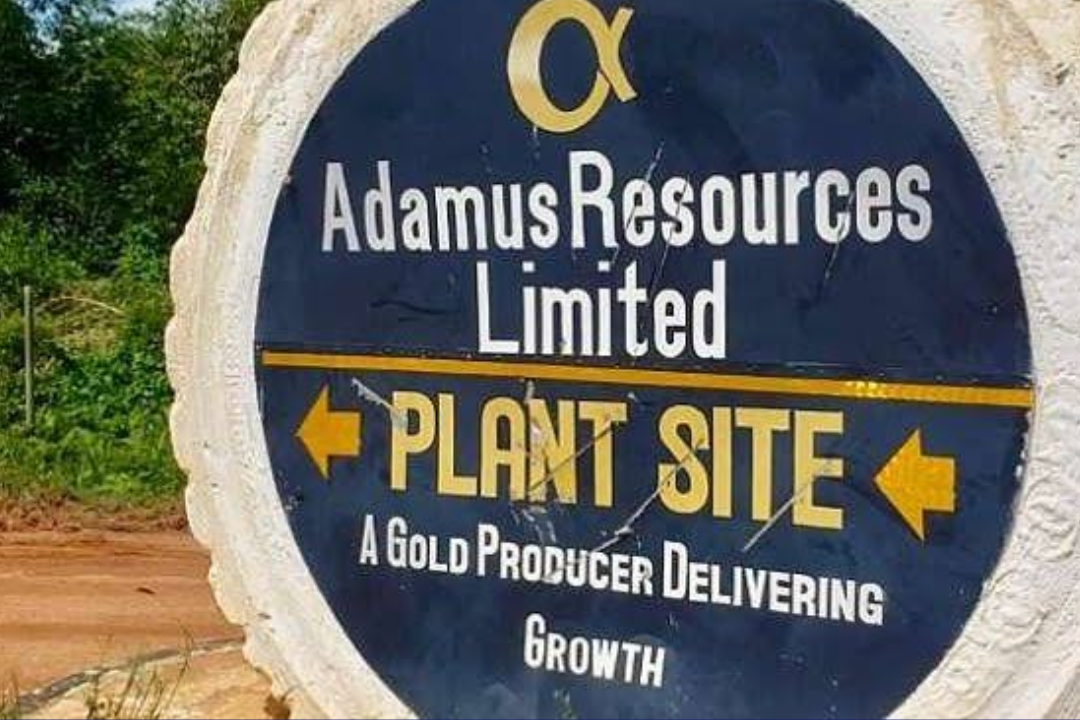
Ghana's Minister for Lands and Natural Resources, Emmanuel Armah Kofi Buah, has forcefully defended regulatory actions against Adamus Resources. He insists no mining company is more powerful than the Ghanaian state.
The Minister's defence follows regulatory findings raising serious concerns. These include alleged mining without required permits and involvement of unauthorised operators. Adamus Resources also reportedly failed to cooperate with investigations and other statutory obligations.
This situation highlights Ghana's ongoing efforts to assert control over its natural resources. It also addresses persistent issues of illegal mining and regulatory compliance. The government aims to ensure all companies, local and foreign, adhere to national laws. This action reflects a broader push for transparency and accountability in the extractive sector.
Minister Kofi Buah stated, "We have a country. We have institutions. The Minerals Commission is supposed to be the policeman in the industry." He made these remarks during a strategic dialogue with the IMANI Centre for Policy and Education in Accra. This meeting followed IMANI's August 10, 2026 request for a fact-finding discussion on the Ministry's operations.
The Ministry's actions against Adamus Resources stem from a report by the Chief Inspector of Mines. A separate team from Accra independently verified these findings, concluding the situation was even more serious. The Minister alleged some mining activities occurred without necessary permits. He also claimed areas were given to persons operating illegally. Kofi Buah argued that if a licensed company claims illegal miners work on its behalf, distinguishing legal from illegal activity becomes difficult. "If you do not have that permit, you are illegal," he emphasised.
Furthermore, the Minister stated Adamus Resources failed to fully cooperate with investigative committees. The company also did not provide all requested information to regulatory authorities. Kofi Buah stressed that the government cannot prosecute small-scale illegal miners while ignoring breaches by major companies. "Everybody must respect the institutions," he asserted. The investigation also raised broader questions beyond environmental and operational concerns. These included issues involving taxes, royalties, and annual statutory fees. The Ministry did not provide detailed amounts or documents to support these specific claims during the meeting.
Minister Kofi Buah maintained the Ministry's decisions were justified. He stated, "As we speak today, I am convinced I made the right decisions." He acknowledged, however, that institutions with lawful authority could review the Ministry's decisions. The government would cooperate with any such process. This indicates a commitment to due process and legal oversight.
Franklin Cudjoe, Founding President of IMANI, proposed a pathway for Adamus Resources to correct identified breaches. He argued that strong regulation and investor protection need not be mutually exclusive. Cudjoe stressed that the state should allow for constructive engagement when an investor is prepared to remedy breaches. He also emphasised that Ghanaian investors deserve the same fairness and opportunity as foreign investors. This intervention highlights the need for a balanced regulatory approach.
Minister Kofi Buah responded positively to IMANI's proposal. He confirmed the Ministry's willingness to engage if Adamus Resources shows genuine commitment to corrections. The company must also ensure identified problems do not recur. This approach balances strict enforcement with potential for compliance. The Adamus controversy therefore tests Ghana's regulatory credibility. It will show if Ghana applies mining laws equally to all operators. It also demonstrates the government's resolve to protect its natural resources and ensure fair play in the mining sector. This case sets a precedent for future regulatory actions.