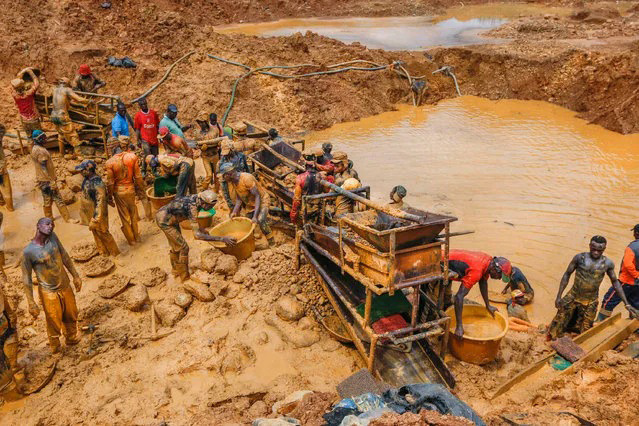
The Konongo Traditional Council has performed traditional rites at an illegal mining site within its jurisdiction. This action aims to combat illegal mining, commonly known as galamsey, and protect the area's natural resources.
The symbolic ceremony took place at a location heavily affected by illegal mining. Traditional leaders stated the rites invoke their institutional authority. They intend to send a strong warning to those involved in the destructive practice to stop immediately. The council seeks to safeguard lands under its care for future generations.
This initiative by the Konongo Traditional Council highlights a growing concern across Ghana regarding the environmental and economic impact of galamsey. Illegal mining operations have devastated farmlands, polluted water bodies, and destroyed forests. These activities threaten agricultural livelihoods and public health in many communities. The government has previously deployed soldiers to mining sites, like the Adamus site, following the revocation of mining leases, indicating the severity of the issue.
The council noted that traditional authorities have a responsibility to preserve lands. They appealed to residents, opinion leaders, security agencies, and government institutions for collaboration. This collective effort is essential to tackle the illegal mining menace effectively. The chiefs also urged community members to report suspicious mining activities to the appropriate authorities.
The growing activities of illegal miners continue to cause serious damage to the environment. This includes the destruction of farmlands, forests, and water bodies that serve surrounding communities. If urgent measures are not taken, the environmental degradation could have lasting effects on agriculture, public health, and the local economy. The council stressed that illegal mining offers only short-term financial gains. It causes long-term environmental destruction and threatens the livelihoods of many people.
The Konongo Traditional Council issued a firm warning to those involved in galamsey. They urged them to stay away from the community’s lands and water bodies. This move underscores the critical role traditional institutions play in environmental governance. It also reflects the urgent need for multi-stakeholder approaches to address the pervasive problem of illegal mining in Ghana. Future developments will likely involve increased collaboration between traditional councils, local government, and security forces to enforce environmental protection measures.