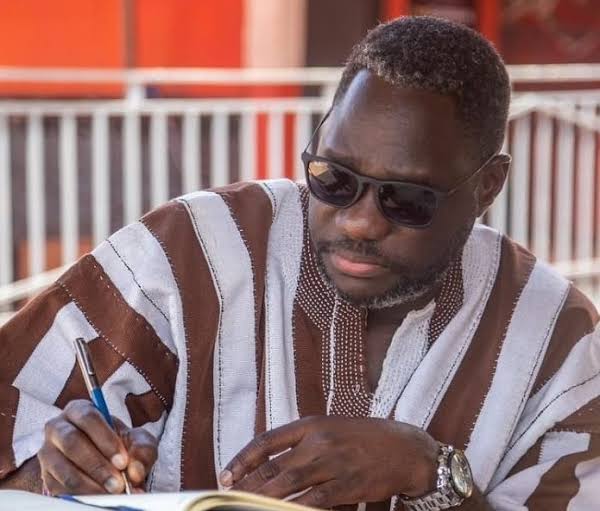
Illegal mining, known as 'galamsey', continues to plague Ghana despite the conviction and imprisonment of Bernard Antwi-Boasiako, the Ashanti Regional Chairman of the New Patriotic Party (NPP). Dr. Palgrave Boakye-Danquah, a prominent NPP member, confirmed that these illicit activities persist in various mining communities. His statements highlight a significant challenge in the government's efforts to curb illegal resource extraction.
Dr. Boakye-Danquah, speaking on Joy Prime, cited video evidence from areas like Samreboi and its surrounding communities. These videos reportedly show ongoing illegal mining operations, indicating that the jailing of Chairman Wontumi has not deterred all perpetrators. Wontumi's conviction was for facilitating illegal mining, not for direct involvement in the physical act of mining itself.
This persistence of 'galamsey' underscores a broader issue within Ghana's economic landscape. Illegal mining devastates the environment, pollutes water bodies, and often leads to social unrest in affected communities. It also deprives the state of significant revenue through unpaid taxes and royalties. The government has launched several initiatives, including Operation Vanguard, to combat this menace, but success remains elusive.
Dr. Boakye-Danquah emphasized the need for comprehensive enforcement against all individuals involved in illegal mining. He stated that government efforts must target every actor and player across the various mining sites. This suggests that a more widespread and consistent application of the law is necessary to achieve a lasting impact on the problem.
The ongoing 'galamsey' activities pose a substantial threat to Ghana's long-term environmental sustainability and economic development. The destruction of agricultural lands and water sources impacts food security and public health. Furthermore, the illicit gold trade can fuel informal economies, making it harder for the Bank of Ghana to manage currency stability and for the Ghana Revenue Authority to collect due taxes. The situation demands a robust and sustained response from regulatory bodies and law enforcement.
The continued prevalence of illegal mining, even after a high-profile conviction, suggests that the underlying drivers remain unaddressed. These drivers often include poverty, lack of alternative livelihoods, and perceived loopholes in enforcement. Decision-makers will need to consider not only punitive measures but also socio-economic interventions to provide sustainable alternatives for those involved in 'galamsey'. The effectiveness of future government policies will be judged by their ability to permanently halt these destructive practices and protect Ghana's natural capital.
The Ghana Prisons Service received commendation from Dr. Boakye-Danquah for allowing family members, lawyers, and party officials to visit Chairman Wontumi. This acknowledgment, while separate from the core issue, indicates transparency in the handling of the high-profile inmate. However, the focus remains on the broader challenge of ensuring that legal actions translate into a tangible reduction in illegal mining activities across the nation.
The economic implications are significant. The informal nature of 'galamsey' means that Ghana loses out on potential export earnings and tax revenues. The environmental damage also incurs future costs for rehabilitation and public health. Investors, both local and international, often view widespread illegal mining as a risk factor, potentially deterring foreign direct investment in other sectors. The government's commitment to tackling 'galamsey' is therefore crucial for maintaining economic stability and attracting responsible investment.