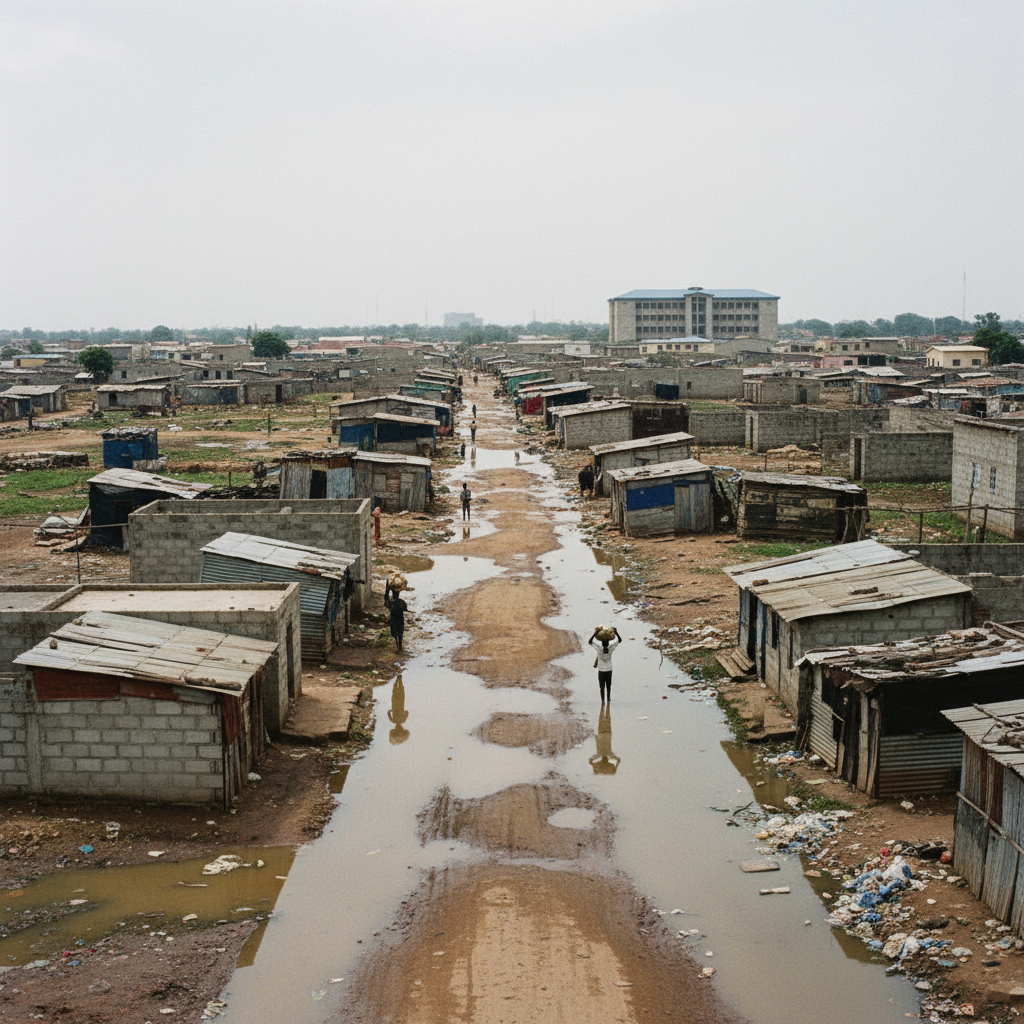
Accra is facing severe flooding due to widespread illegal sales of critical wetlands and inadequate regulatory enforcement, according to traditional authorities. This environmental degradation, described as a "human-induced" disaster, is happening despite rainfall volumes remaining within historical patterns.
The floods submerge major roads and homes across the capital, causing significant disruption. Traditional leaders often sell off vital wetlands known as Ramseyer sites and natural watersheds. This action removes natural buffers that would normally absorb excess water, making Accra highly vulnerable to even normal rainfall. The Environmental Protection Agency (EPA) is criticized for its reactive approach rather than proactive enforcement.
This crisis highlights systemic issues within Ghana's environmental governance and urban development. Unchecked encroachment on floodplains and drainage basins, coupled with observed declines in civic responsibility, undermines the city's resilience. The situation raises concerns about the long-term economic stability of Accra, a key commercial hub for Ghana. Repeated flooding disrupts economic activities, damages infrastructure, and displaces communities, carrying substantial financial costs for the nation.
According to HRM Notse Nii Nortey Owuo IV, traditional leaders are betraying their sacred trusts by treating ecological buffers as commercial real estate. He stated, "When a traditional leader treats a critical ecological buffer as a plot of land to be sold to the highest bidder for concrete development, they do not just choke a waterway; they sever our connection to our ancestry." He further emphasized that such actions trade the people’s safety for short-term material gain.
The situation creates urgent implications for urban planning and regulatory oversight. Decision-makers must implement stricter controls on land sales in ecologically sensitive areas and strengthen the EPA's enforcement capabilities. The market should anticipate increased calls for resilient infrastructure investment and potential changes in land-use policies. Without immediate and radical restoration of order, Accra faces continued self-inflicted catastrophes, impacting economic growth and public health.
The ongoing destruction of natural drainage systems will lead to higher financial burdens for the government. These costs include emergency relief, infrastructure repairs, and lost economic productivity. The erosion of traditional authority's role as land protectors also poses a challenge to community cohesion. This requires a renewed focus on civic education about environmental stewardship. Future development projects in the Greater Accra Region will likely face increased scrutiny regarding their environmental impact. This situation underscores the need for a comprehensive national strategy to protect wetlands and enforce environmental laws. Such a strategy would safeguard Ghana's capital from future flood disasters and ensure sustainable development.