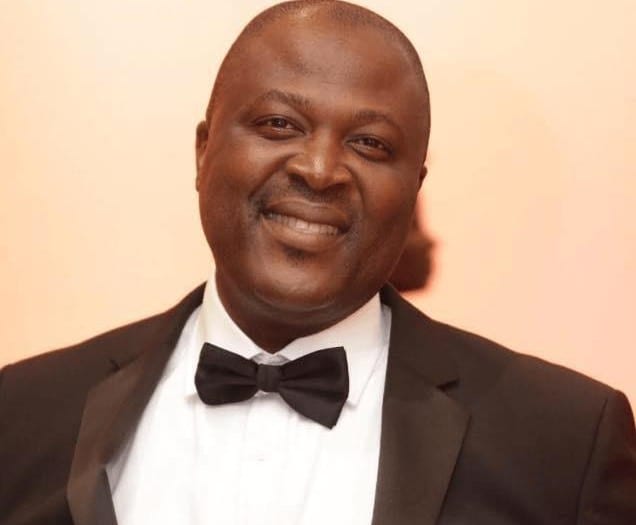
Political scientist Dr. Kwasi Amakye-Boateng has stated that Ibrahim Mahama’s relationship with President John Dramani Mahama should not prevent him from participating in the acquisition of state-owned businesses. Dr. Amakye-Boateng argues that local investors must be assessed based on their competence and capacity, rather than personal connections. This position underscores a critical discussion about fairness and transparency in Ghana’s economic landscape.
Speaking on Angel FM in Kumasi, Dr. Amakye-Boateng emphasized the government’s responsibility to thoroughly evaluate the capacity and credibility of any Ghanaian investor seeking to take over state assets. He stressed that the mere fact of being the President's brother should not automatically disadvantage Ibrahim Mahama or block legitimate business opportunities. This perspective aims to foster a more equitable environment for indigenous entrepreneurs.
This discussion comes at a time when Ghana is actively seeking to boost local content and participation in key economic sectors. The government has often expressed a desire to empower Ghanaian businesses to take a leading role in the national economy. However, concerns about cronyism and undue influence sometimes arise, particularly when individuals with close political ties engage in significant business dealings. Ensuring a level playing field is crucial for investor confidence and economic development.
Dr. Amakye-Boateng explicitly stated, “All the government has to do is to scrutinise him well and check the capacities he carries.” He reiterated that “The mere fact that his brother is a president should not disadvantage him.” This direct challenge to potential biases highlights the importance of objective evaluation in business transactions involving state assets. Such scrutiny ensures that public resources are managed effectively and transparently.
Furthermore, Dr. Amakye-Boateng urged Ghanaians to develop greater confidence in indigenous businesses. He advised against automatically favouring foreign investors based on perceived superior capacity. He maintained that Ghanaian entrepreneurs should receive fair opportunities to compete, provided they meet all required standards and can demonstrate the ability to manage investments effectively. This call for confidence in local talent is vital for building a robust domestic economy.
The implications of this stance are significant for Ghana’s investment climate. It suggests that future acquisitions of state assets should prioritize merit and proven capability over political affiliations. This approach could encourage more local entrepreneurs to bid for such opportunities, potentially reducing capital flight and strengthening the domestic economy. Decision-makers and market participants will closely watch how these principles are applied in practice, especially in high-profile cases.
A transparent and fair process for evaluating all investors, regardless of their connections, is essential for maintaining public trust. It also helps to attract genuine investment, both local and foreign, by signaling a commitment to good governance. The long-term economic stability of Ghana depends on fostering an environment where competence, not connections, drives business success. This ongoing debate reflects broader efforts to enhance economic integrity and promote sustainable growth.