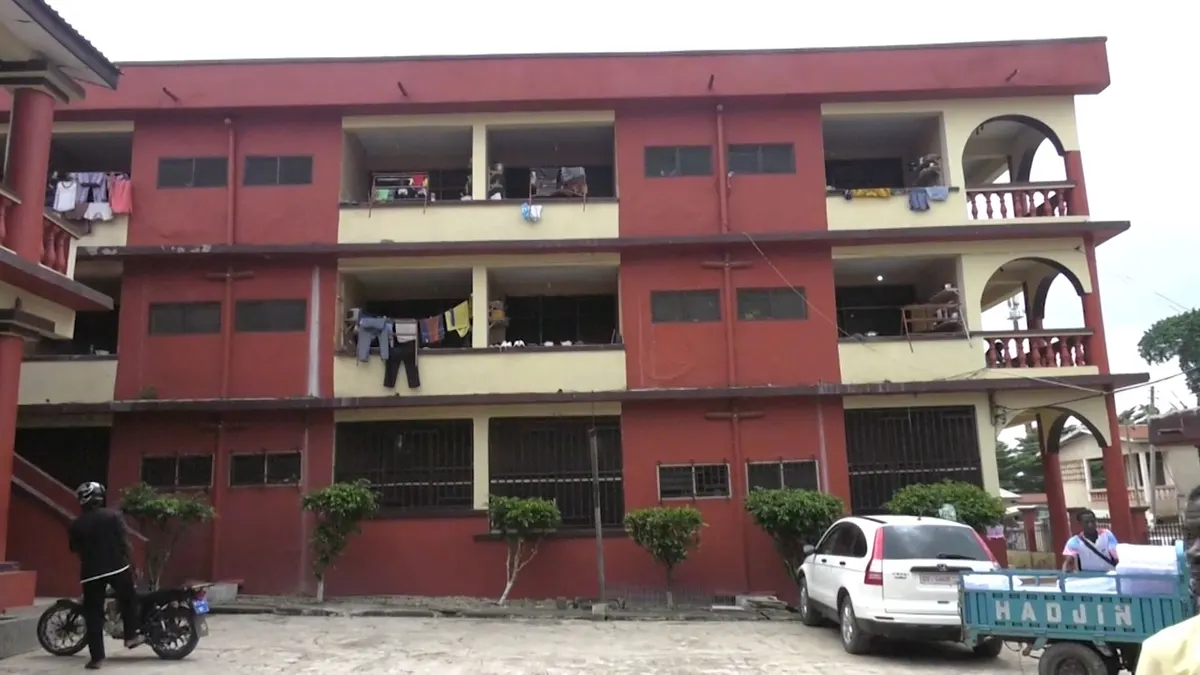
Ghanaian private hostel owners are preparing to increase student accommodation fees, even after a recent review. This decision comes despite a directive from the Rent Commissioner to suspend what he considers excessive increases.
The Hostel Owners Association maintains that current charges are not exorbitant and that any future adjustments will reflect rising operational costs. These costs include land acquisition, construction, taxes, and ongoing maintenance expenses. This position directly challenges regulatory efforts to control accommodation prices for students.
This development unfolds against a backdrop of persistent inflationary pressures in Ghana, impacting various sectors. The cost of living has steadily climbed, affecting both businesses and households. Accommodation, a critical component of student welfare, is particularly sensitive to these economic shifts. Data from the Ghana Statistical Service consistently shows upward trends in housing and utility costs, reflecting broader economic challenges.
Bishop Dr. Akwasi Owusu, Chairman of the Hostel Owners Association, firmly rejected claims of unreasonable fees. He stated on Adom FM’s Dwaso Nsem that operators set charges based on students' ability to pay. Dr. Owusu emphasized that a review of fees would likely lead to higher charges due to increased running costs. He also asserted that the association would not allow the Rent Commissioner to unilaterally determine pricing.
The impending fee increases will place additional financial strain on university students and their families. It could also spark further debate between regulatory bodies and private accommodation providers. Stakeholders will closely watch how the Rent Commissioner, Frederick Opoku, responds to this defiance. The outcome will likely influence future housing policies and student welfare initiatives across Ghana. This situation highlights the ongoing tension between market forces and regulatory oversight in essential service provision.
The Hostel Owners Association insists it regulates its members to ensure quality accommodation matching the fees charged. Bishop Owusu noted that some operators charging unusually high fees are not members, making them difficult to regulate. He stressed the need for engagement with authorities but insisted decisions must consider all operational expenses. This includes the rising cost of land, construction materials, and various taxes. The association's stance underscores the complex economic realities faced by property owners. They argue that their pricing reflects genuine business costs, not arbitrary profiteering. This situation could lead to further negotiations or even legal challenges regarding rent control mandates. The broader implications for student access to affordable housing remain a significant concern for educational institutions and policymakers.
The current dispute also highlights the limitations of existing regulatory frameworks for private student accommodation. The Rent Commissioner's authority is being directly challenged by a well-organized industry group. This confrontation could prompt a re-evaluation of the Rent Act and its application to student hostels. Any significant fee hikes could also impact university enrollment rates, particularly for students from lower-income backgrounds. Therefore, the resolution of this conflict carries substantial economic and social weight for Ghana's education sector. It also serves as a critical test of the government's ability to balance market dynamics with social welfare objectives.