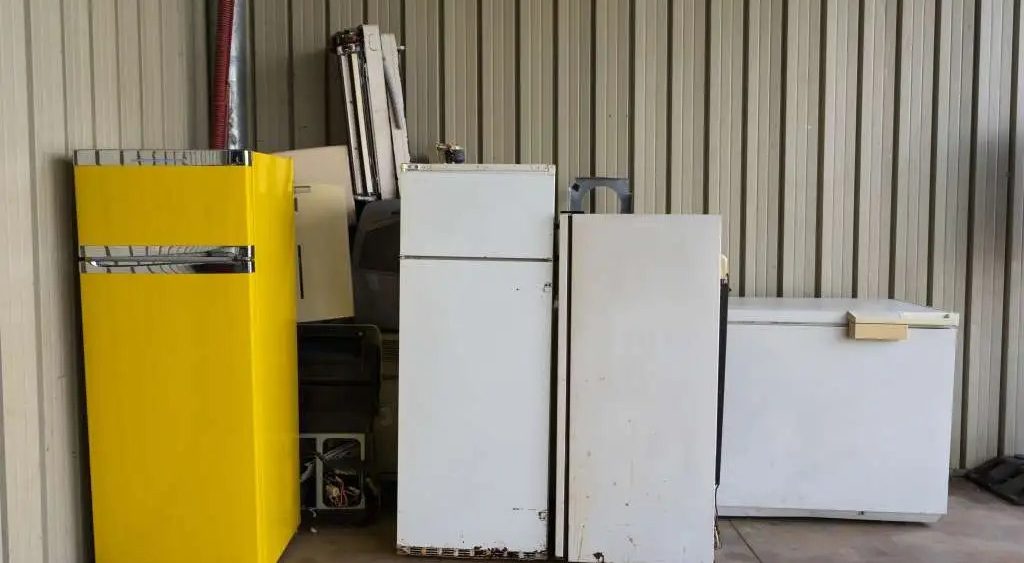
The Ghana Revenue Authority (GRA) has officially confirmed the prohibition of importing used refrigerators and air conditioners into Ghana. This directive forms part of the GRA's ongoing public education efforts regarding goods restricted or banned from entering the country.
This prohibition aims to protect public health, safeguard the environment, and prevent revenue losses for the nation. The GRA is using its 'GRA Connect' radio campaign to educate taxpayers and the public on Customs regulations. These regulations outline their rights, responsibilities, and the various taxes and duties administered by the Authority.
Ghana's economy relies significantly on trade, with imports playing a crucial role in consumer goods availability. The ban on specific used items reflects a growing national focus on environmental sustainability and product quality standards. Similar restrictions have been implemented in other developing economies to curb the influx of inefficient and potentially hazardous second-hand goods. This policy aligns with broader government initiatives to promote energy efficiency and reduce electronic waste.
Speaking on Tuesday, August 25, 2026, Charles Okrah, a Senior Revenue Officer at the GRA’s Tema Collection, explained the rationale behind these prohibitions. He stated that prohibited goods are items legally barred from entering or leaving the country. Mr. Okrah also mentioned other banned items, including animal carcasses and certain used personal items like underwear and sanitary products. Customs officers possess the authority to detain and seize such goods found at Ghana’s borders.
The enforcement of this ban will likely impact informal sector traders who often deal in second-hand appliances. Consumers, particularly those with lower incomes, might face higher costs for new, energy-efficient alternatives. This shift could also stimulate local assembly or manufacturing of new appliances, creating jobs and fostering domestic industry. Businesses involved in importing these specific used goods must now adjust their supply chains and business models to comply with the new regulations. The GRA's strict enforcement will be crucial in determining the effectiveness of this policy in achieving its stated objectives.
The GRA's official Customs guidelines clearly define prohibited imports as goods banned by law. Restricted items, conversely, may be imported only after obtaining necessary licenses, permits, or certificates. On the export side, Mr. Okrah highlighted rosewood as a product legally prohibited from being transported out of Ghana. The GRA’s export regulations list round logs of several species, including rosewood, among prohibited exports. Importers and exporters must check Customs requirements before moving goods across Ghana’s borders to avoid penalties. Items such as firearms, ammunition, and other regulated products require prior approval from appropriate government agencies before importation. Failure to comply with Customs rules can lead to the seizure of goods and other legal consequences, underscoring the importance of adherence.