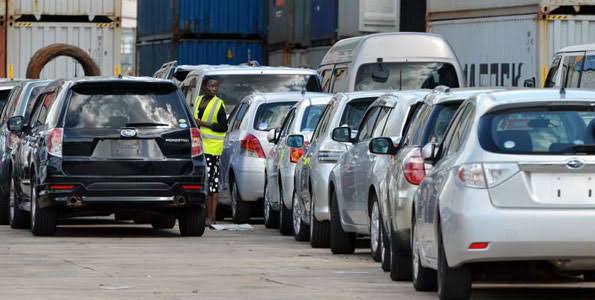
Ghana is set to strengthen enforcement of vehicle import standards from October 1, 2026. This includes restrictions on used vehicles above 15 years old. This policy aims to improve road safety, reduce pollution, and protect consumers.
However, critics argue that focusing solely on age might not address the core issues of vehicle safety and emissions. A well-maintained older vehicle can be safer than a poorly kept newer one. The current policy could significantly increase vehicle acquisition and transport operating costs for many Ghanaians.
This proposed change comes as Ghana's automotive market heavily relies on used vehicle imports. More than 90% of vehicles entering Ghana are used, with only about 10% being new. For many families, transport operators, and small businesses, used vehicles are the most affordable way to travel and earn money. A rigid age limit could disrupt these vital economic activities.
A mechanical engineer with experience in vehicle maintenance highlighted this concern. They stated that two vehicles of the same age can have vastly different mechanical conditions. The real question should be about the vehicle's actual condition, not just its age. This perspective suggests that a blanket age restriction might be too broad.
The implications of this policy are far-reaching. Higher vehicle costs could strain household budgets and increase the price of goods and services. It could also reduce the availability of affordable replacement vehicles. Businesses like dealerships, mechanics, and spare-parts suppliers could face significant disruption. The policy's impact on these sectors warrants careful consideration.
Instead of an age-only approach, experts suggest a condition-and-compliance model. This would assess structural integrity, braking performance, and emissions. Ghana already has legitimate reasons to control the import of damaged or unsafe vehicles. The Ghana Standards Authority (GSA) targets flood-damaged, burnt, or structurally compromised vehicles. This focus on actual condition is seen as more effective.
Strengthening pre-shipment inspections is another key recommendation. Every imported used vehicle should undergo a credible inspection in its country of origin. This would reject vehicles with serious damage before they reach Ghana. This proactive measure could prevent unsafe vehicles from entering the market more efficiently.
Making emissions testing genuinely enforceable is also crucial for environmental protection. The Driver and Vehicle Licensing Authority (DVLA) already identifies mandatory vehicle emissions testing in its 2025 annual report. Measuring emissions directly, rather than assuming all older vehicles pollute more, would be a more accurate approach. This aligns with the goal of cleaner air.
A transparent vehicle-health grading system could empower consumers. Imported used vehicles could receive a standardized condition rating based on technical criteria. This would inform buyers whether a vehicle is in excellent, acceptable, marginal, or unsafe condition. Such a system would enhance consumer protection significantly.
Furthermore, Ghana should consider progressive penalties instead of blunt restrictions. If an older vehicle passes rigorous safety and emissions requirements, differentiated duties or environmental charges could apply. This approach avoids treating every vehicle above a certain age as equally unsafe, offering more flexibility.
Finally, strengthening local automotive capacity must accompany any import restrictions. To reduce dependence on used imports, Ghana needs affordable financing and stronger local assembly. Incentives for fleet renewal and access to spare parts are also vital. Ghana's automotive development framework already encourages local assembly and manufacturing. Connecting import policy with local production and skills development is the next logical step. This integrated approach would ensure a sustainable and affordable automotive sector for Ghana.