Ghana faces a significant public health challenge as chronic diseases, including heart disease, hypertension, obesity, diabetes, kidney disease, and cancers, are rapidly increasing. These illnesses are closely linked to unhealthy diets, particularly the growing consumption of ultra-processed, packaged foods high in salt, sugar, and unhealthy fats. This shift from traditional diets, known as nutrition transition, demands urgent public health intervention.
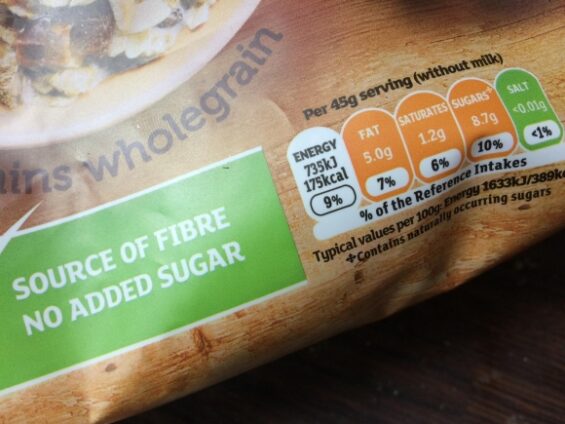
A key solution proposed is the adoption of mandatory Front-of-Pack Nutrition Labels (FOPNL). These labels provide simple, easy-to-understand nutrition information at a glance, helping consumers quickly identify products high in harmful ingredients. Unlike complex nutritional panels found on the back of packaging, FOPNL uses clear symbols or warnings prominently displayed on the front, enabling faster and healthier food choices.
The current food labelling system in Ghana has major flaws. Labels are often crowded with unfamiliar figures, symbols, and tiny fonts, making them difficult for the average consumer to read and understand. This lack of clarity means many Ghanaians unknowingly consume products without understanding their true nutritional content, leaving them vulnerable in an increasingly complex food environment.
For Ghana, warning labels are particularly suitable. These labels typically appear as black octagons with direct messages such as 'High-in-Sugar' or 'High-in-Salt'. Their simplicity makes them effective across varying literacy and numeracy levels, eliminating the need for complex interpretation. This direct approach ensures that all consumers, regardless of their educational background, can easily identify potential health risks.
Evidence from other countries strongly supports the effectiveness of warning labels. In Chile, for example, the introduction of warning labels led to a 24 per cent drop in purchases of sugar-sweetened beverages within 18 months. This policy also incentivized manufacturers to reformulate their products, reducing harmful nutrient levels. Similar successes have been observed in Mexico and Peru, demonstrating the labels' power to influence both consumer behavior and industry practices.
Adopting warning labels in Ghana would not only empower consumers to make informed choices but also promote accountability within the food industry. It would encourage manufacturers to produce healthier food options, thereby protecting public health. The Ministry of Health and the Food and Drugs Authority must act swiftly to implement a mandatory Front-of-Pack Warning Label system.
Such a system would ensure that every Ghanaian can easily and instantly understand whether a product poses a health risk or represents a healthier option. This intervention is crucial for addressing the rising burden of diet-related chronic diseases and fostering a healthier population. The health of Ghanaians cannot wait for prolonged deliberation; decisive action is needed now to safeguard public well-being.
The economic implications of inaction are substantial. The rising prevalence of chronic diseases places an increasing strain on Ghana's healthcare system and reduces workforce productivity. By promoting healthier eating habits, FOPNL can contribute to a more robust and productive economy, reducing long-term healthcare costs and improving the overall quality of life for citizens. This policy aligns with broader efforts to enhance public health infrastructure and ensure sustainable national development.