Ghana has upheld the revocation of mining leases held by Adamus Resources. The government has directed the Minerals Commission to take immediate administrative control of the company’s mine at Salman in the Western Region. This action represents one of the most significant regulatory interventions in Ghana's gold industry this year.
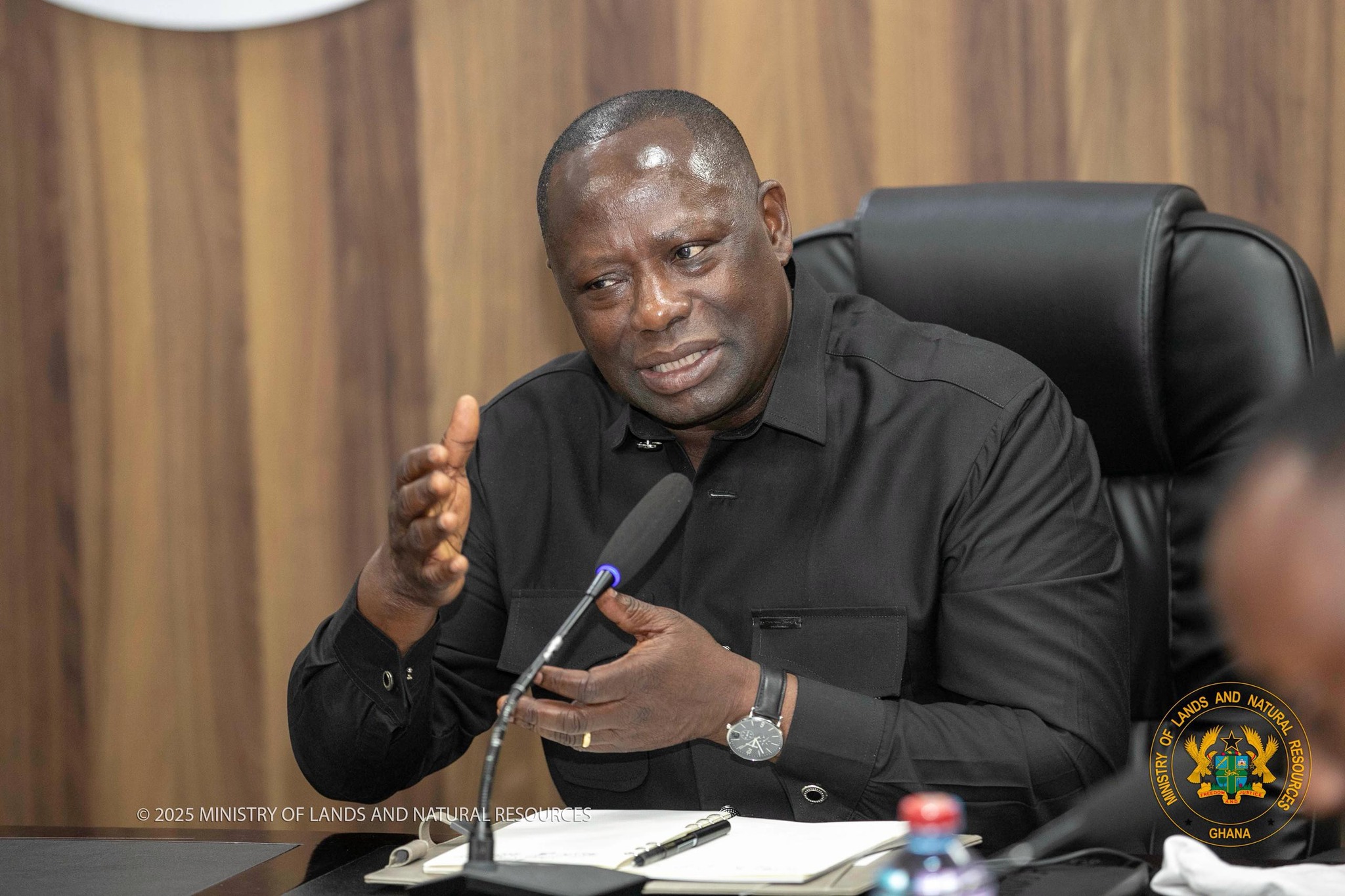
Emmanuel Armah-Kofi Buah, the Minister for Lands and Natural Resources, announced this decision during a visit to the mine. His announcement followed a review of findings from a ministerial committee. This committee had been established to examine Adamus’ petition against the initial revocation of its leases.
The original revocation, issued in April, covered Adamus’ Akango, Salman, and Nkroful mining leases. Investigations by the Minerals Commission had alleged serious breaches of Ghana’s mining laws. These alleged breaches included assigning mineral rights to third parties without ministerial approval and mining outside approved operational arrangements.
Minister Buah stated that the Minerals Commission’s report to the Chief Inspector of Mines recommended revocation due to significant violations of the Mining Act and regulations. He confirmed his decision to uphold the revocation after the company’s petition and the review committee’s work. This means the Minerals Commission will immediately assume administrative control of the mine.
Adamus Resources has previously rejected allegations of illegal mining and unlawful subcontracting. The company maintained it held valid regulatory and environmental approvals. It initially argued the revocation occurred without sufficient opportunity to respond. The Minerals Commission has disputed this, stating its Inspectorate Division engaged company officials during investigations.
The government provided an additional layer of administrative review after Adamus petitioned the Lands Minister. Mr. Buah formed a committee to examine the company’s objections. He stated this process aimed to protect fairness and investor confidence. An interim management arrangement was also established to ensure continuity at the operation during the appeal process.
This sequence of events has broader economic implications for Ghana. Ghana is a leading gold producer in Africa. Mining companies invest substantial capital over long periods. Predictable licensing rules and credible dispute resolution mechanisms are crucial for the country’s investment appeal. The government must balance enforcement with maintaining investor confidence.
Mining rights are conditional on compliance with Ghanaian law. If the government establishes material breaches through a credible regulatory process, failing to enforce lease conditions could create a different risk. This would signal that large operators can disregard requirements without meaningful consequences. The real test is whether regulation is consistent, evidence-based, and predictable for all operators.
The next phase may be more challenging than the revocation itself. Taking administrative control of an operating mine makes the Minerals Commission responsible for managing a complex transition. This transition involves protecting production, jobs, equipment, environmental obligations, contractors, and community expectations. Mining operations support economic activity far beyond their direct payrolls.
Contractors, transport companies, engineering firms, and food suppliers in the Ellembelle area depend on the mine’s expenditure. Prolonged operational uncertainty could quickly impact the local economy. The government therefore has an incentive to separate enforcement against the mineral right holder from the destruction of the asset's economic value. Authorities previously deployed security personnel to protect the mine and indicated production should continue. An interim committee oversaw the appeal process. The challenge now is to determine the mine’s longer-term structure, as administrative control is an interim governance mechanism.