Ghana is shortening the maximum tenure of large-scale mining leases. This move is part of a major overhaul of its minerals legislation, aiming to give the state more control over its natural resources.
Cabinet has approved a comprehensive review of the Minerals and Mining Act, 2006, Act 703. These proposed reforms will change how mineral rights are granted, renewed, and supervised. One key change is moving away from initial large-scale mining leases that could last for 30 years.
This policy shift is more than just changing lease durations. It shows a broader re-evaluation of the relationship between Ghana and mining companies. Resource-rich African economies are increasingly questioning if decades of extraction have truly benefited their citizens. Ghana remains Africa’s leading gold producer. Mining is central to the country’s export earnings, foreign-exchange generation, and public revenues. However, the sector also faces concerns about environmental damage and limited Ghanaian participation.
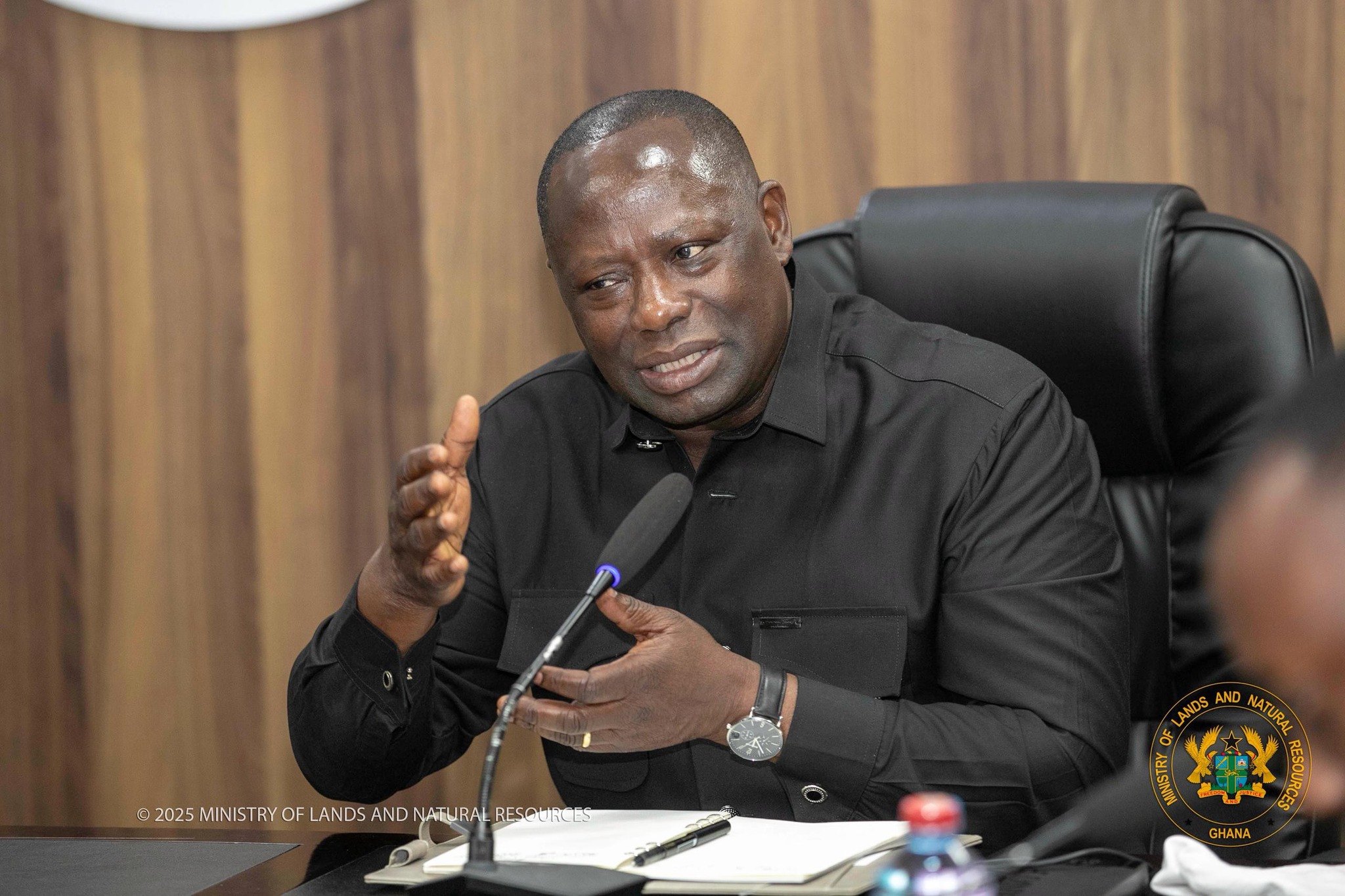
Emmanuel Armah-Kofi Buah, Minister for Lands and Natural Resources, stated these reforms will modernize the regulatory framework. He said the current framework no longer fully reflects Ghana’s ambition to capture greater value from its mineral wealth. The government believes the review of Act 703 is a bold step towards achieving this goal.
Shorter initial leases will give the state more frequent chances to check if companies are meeting their obligations. It also allows reviews of whether the terms of resource extraction remain suitable. This is important in an industry where commodity prices, technology, environmental standards, and national priorities can change significantly over 30 years. Ghana has historically granted long concessions, such as the 30-year leases for Kwabeng and Pameng. The government now believes mineral rights should not become permanent just because a company has operated successfully for decades.
Isaac Andrews Tandoh, a senior official at the Minerals Commission, previously argued against indefinite control of Ghanaian mineral assets. He stated, “Some of these agreements cannot be in perpetuity. It cannot be forever.” He emphasized that after a 30-year lease, it should not be “business as usual.” Mr. Tandoh added, “We support investment. But what’s fair is fair. If you’ve made your profits over three decades, let’s have a conversation about value for Ghanaians. Let’s re-negotiate, or hand it back.” This philosophy guides Ghana’s current approach.
The government seeks greater flexibility over mineral assets without discouraging long-term investment. A major gold project requires hundreds of millions of dollars in exploration and infrastructure. Investors value security of tenure. A lease that is too short, or an unpredictable renewal process, could make financing more expensive. This might reduce the attractiveness of marginal projects. The real question is whether shorter leases can still be predictable for investors. This distinction will determine if the reform strengthens Ghana’s bargaining position without harming its competitiveness. If investors know renewal depends on clear indicators, shorter leases could improve mining governance. These indicators would cover production, environmental rehabilitation, local procurement, employment, tax compliance, technology transfer, and community obligations. Companies would still invest because the path to renewal would be clear. At the same time, the government would gain a formal opportunity to ensure national benefits.