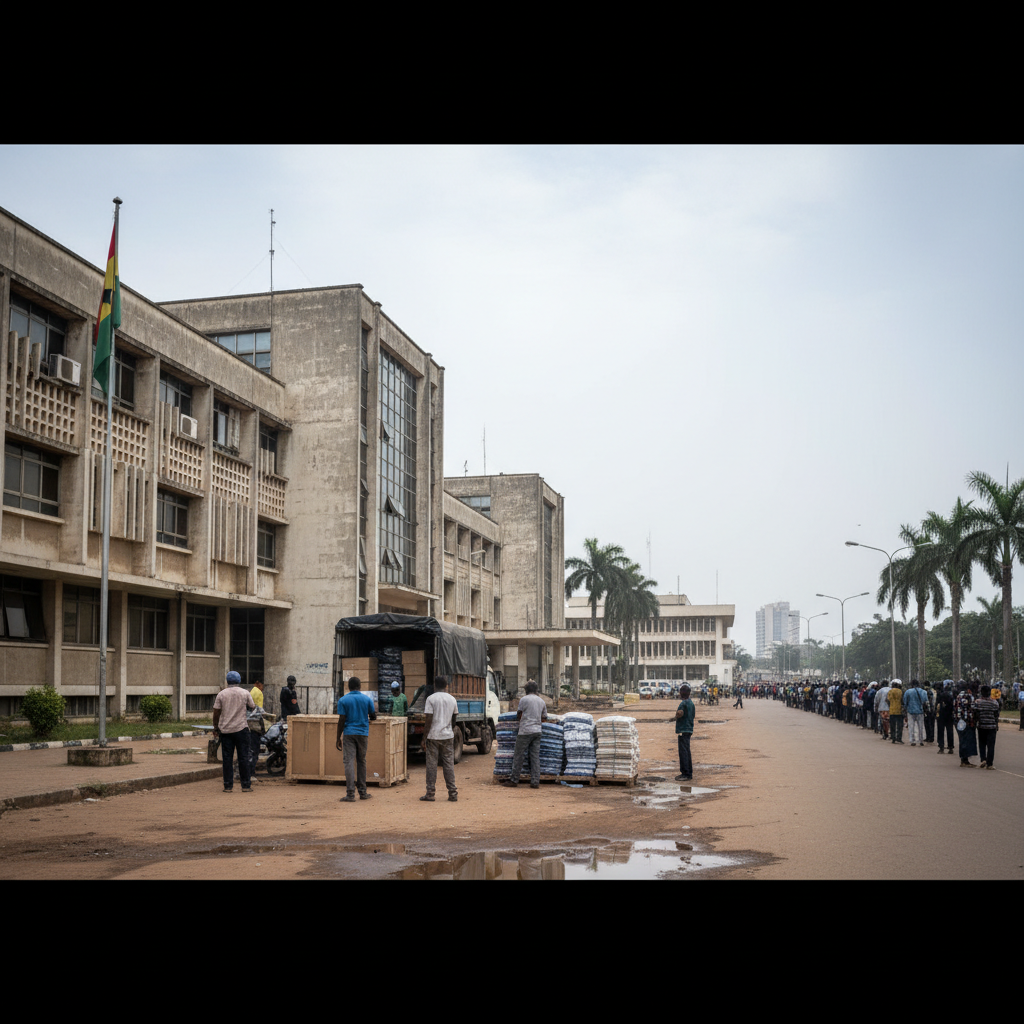
Ghana's government has begun arrangements to repatriate the body of a Ghanaian national killed in South Africa. Forty-year-old Bashiru Isak died during anti-immigrant demonstrations in Khayelitsha, Cape Town. The Ministry of Foreign Affairs confirmed his death and is coordinating his return for burial.
This significant development follows Isak's fatal shooting on June 30 during protests linked to ongoing xenophobic attacks. The Ministry expressed profound shock and sadness over the incident. Ghana's High Commission in Pretoria has lodged a formal protest with South Africa's Department of International Relations and Cooperation.
This event fits into a broader pattern of xenophobic violence against African nationals in South Africa. Ghana has previously petitioned the African Union Commission regarding these recurring attacks. The government's firm stance underscores its commitment to protecting its citizens abroad and addressing regional stability concerns. Over 900 people were arrested in South Africa during recent anti-migrant protests, highlighting the scale of the issue.
The Ministry of Foreign Affairs condemned the killing in the strongest terms. The statement declared, “The taking of any life is unacceptable and those responsible must be brought to justice without delay.” Ghana demands a “full, transparent and expedited investigation” leading to arrests and prosecution.
The immediate implication is an increase in diplomatic pressure on South Africa to guarantee the safety of foreign nationals. Ghana will continue to pursue all available diplomatic and multilateral avenues. This situation requires South African authorities to strengthen protection measures for Ghanaians and other foreign nationals.
Ghana's High Commission has already filed a complaint with the South African Police Service. An autopsy was conducted at the request of the Ghanaian government. These actions signal a determined effort to ensure accountability for the violence.
The Ministry reiterated Ghana's expectation that South Africa will fulfill its international obligations. This includes guaranteeing the safety and dignity of all foreign nationals within its borders. The matter of xenophobic attacks remains active with the African Union Commission.
Ghanaians remaining in South Africa have been advised to stay vigilant. They should avoid high-risk areas and contact the High Commission if they face danger. This advice highlights the persistent risk faced by expatriate communities.
The government has assured its citizens that it will not sit idly by. It will continue efforts to protect the lives and welfare of Ghanaians abroad. This incident emphasizes the need for regional bodies to address widespread xenophobia effectively.
The ongoing diplomatic engagements will be crucial in determining outcomes. Investors and markets will monitor how South Africa manages this internal conflict and its international relations. This event impacts regional economic cooperation and stability. For example, South African manufacturing sentiment worsened in June, partly due to such social unrest.