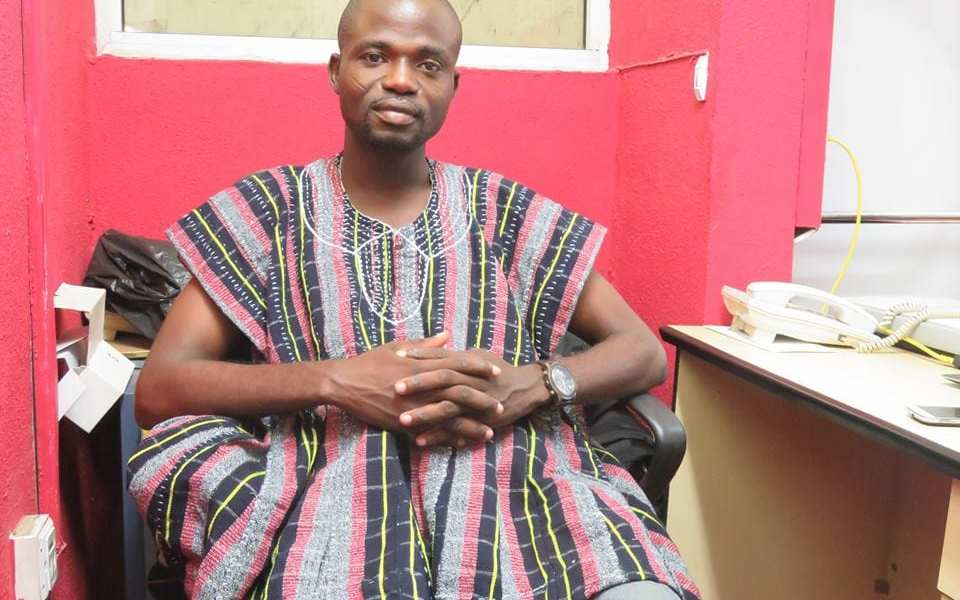
Investigative journalist Manasseh Azure has challenged the Ghanaian government to prosecute individuals who received bribes in the AKSA power plant scandal. This call follows the conviction of Kwaku Asante Berko, a former Goldman Sachs Group Inc banker and past Managing Director of Tema Oil Refinery (TOR), in the United States. Asante Berko was found guilty of paying more than $1 million in bribes to secure a power plant deal in Ghana.
The US prosecution revealed that Asante Berko, aged 52, and his associates allegedly paid high-ranking Ghanaian government officials over US$1 million a decade ago. These payments were intended to approve the development and financing of a multi-million dollar power plant. The federal jury in Brooklyn, New York, heard these details during the opening statement by prosecutor Katherine Raut.
This development underscores persistent issues of corruption within Ghana's public procurement processes, especially in large-scale energy projects. Ghana has a history of challenges with power sector agreements, often leading to significant financial burdens on the state. The country's economic stability relies heavily on transparent and accountable governance, particularly in critical sectors like energy. Previous administrations have faced scrutiny over similar deals, impacting public finances and investor confidence.
Manasseh Azure, a prominent investigative journalist, voiced his concerns on social media, stating, "America has convicted the bribe facilitator. Will Ghana prosecute our bribe receivers?" This question echoes sentiments from other analysts, including Kofi Bentil, who have urged Ghana's anti-corruption institutions to investigate and prosecute those who accepted these illicit payments. The focus now shifts to Ghana's Attorney General and various anti-corruption bodies to demonstrate their commitment to combating graft.
The implications of this case are significant for Ghana's anti-corruption efforts and its international reputation. Failure to prosecute the bribe receivers could signal a lack of political will to tackle high-level corruption, potentially deterring foreign investment and undermining public trust. Conversely, successful prosecutions would reinforce the rule of law and strengthen Ghana's position in global governance indices. Decision-makers will be closely watched for their response to these calls for accountability, as the outcome could influence future foreign direct investment and public sector reforms.
The scandal also highlights the need for robust internal controls and oversight mechanisms within Ghanaian government agencies involved in major infrastructure projects. Strengthening these systems could prevent similar occurrences in the future. The public and civil society organizations will continue to monitor the government's actions, demanding transparency and justice. This case serves as a critical test for Ghana's commitment to eradicating corruption and ensuring that public officials are held accountable for their actions.