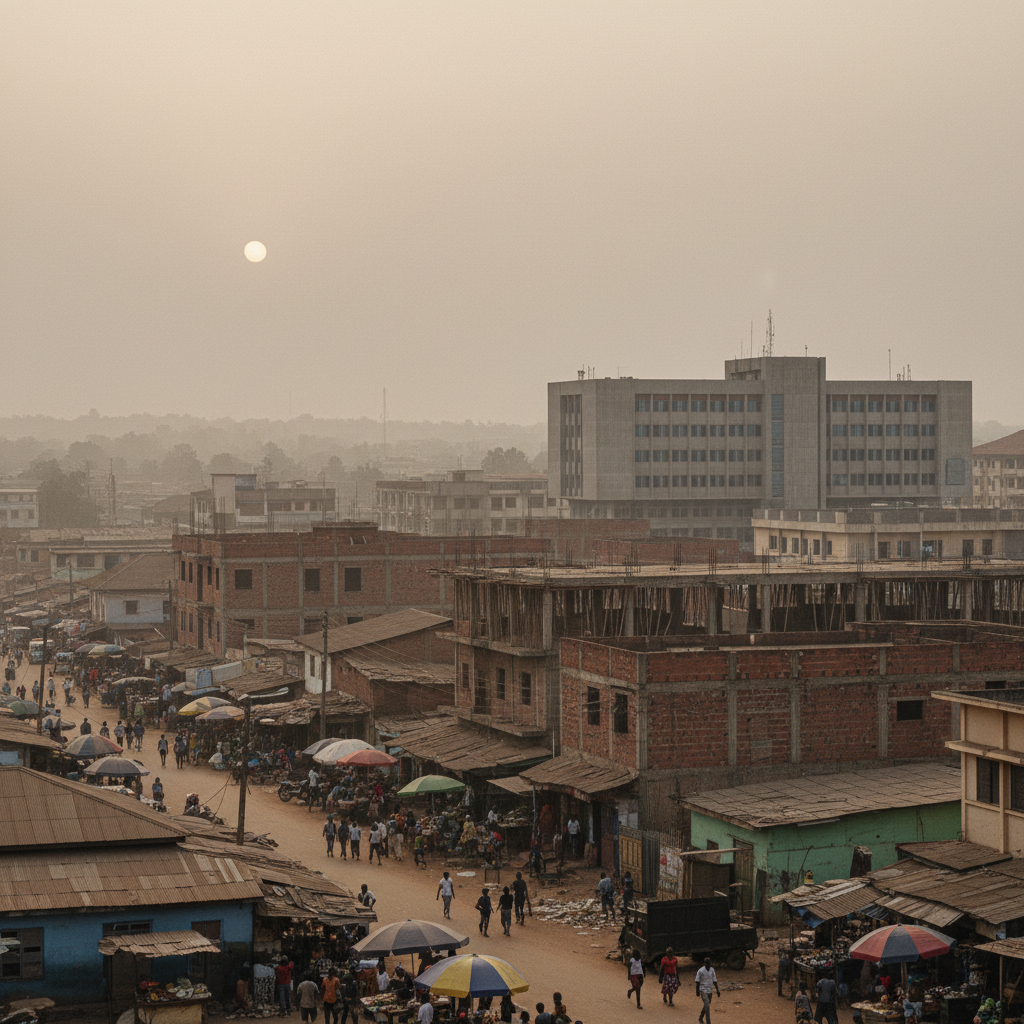
The Ghana Pentecostal and Charismatic Council (GPCC) has called for the strict enforcement of Ghana’s planning and building regulations. Apostle Dr Eric Nyamekye, President of the GPCC, stated that this action is crucial to address recurring flooding that continues to claim lives and destroy property. The GPCC's call highlights the economic and social costs of inadequate regulation and its impact on national development.
Recent floods affected many communities, causing widespread damage and displacing residents. Apostle Dr Nyamekye attributed these incidents largely to human activities. He stressed that stronger enforcement of existing laws could prevent many such disasters. The GPCC's statement underscores the link between regulatory oversight, urban planning, and economic resilience in Ghana.
This call comes at a time when Ghana faces increasing challenges from climate change and rapid urbanisation. Non-compliance with building codes and the construction of structures on waterways exacerbate flood risks. Data from the National Disaster Management Organisation (NADMO) consistently shows flooding as a major cause of economic disruption in Ghana. Such events lead to significant infrastructure damage and agricultural losses, hindering economic growth.
Apostle Dr Nyamekye spoke at the Council’s National Delegates Conference in Accra on Wednesday. He urged the Government to intensify efforts to remove unauthorised structures on waterways and wetlands. He stated, “Demolition should not be a knee-jerk reaction after a disaster. There must be continuous and unyielding enforcement of our planning laws to save lives and protect our land.” This statement highlights the need for proactive rather than reactive policy implementation.
The GPCC President also urged the Government to invest in long-term drainage infrastructure. This investment is necessary to accommodate the country’s growing urban population. Poor waste management practices, especially the indiscriminate dumping of plastics, also worsen flooding. Apostle Dr Nyamekye warned, “The reckless dumping of plastics and solid waste into our gutters must stop because it chokes our drainage systems and turns rain into disaster.”
The economic implications of poor regulation and inadequate infrastructure are substantial. Flooding displaces people, destroys homes, and disrupts businesses. It also strains public finances through emergency response and reconstruction efforts. Continuous, stringent enforcement of planning laws would reduce these economic burdens. It would also lead to improved public safety and more predictable urban development.
Decision-makers must consider integrating urban planning with environmental management for sustainable development. Implementing robust drainage systems and enforcing waste management laws will be critical. This will not only mitigate flood risks but also protect investments in infrastructure and real estate. The long-term economic stability of Ghanaian urban centres depends on these regulatory and infrastructural improvements.
The GPCC's advocacy highlights the church's role in national development discussions. It positions the council as a significant voice on critical policy issues affecting the welfare of citizens. The government’s response to these calls will demonstrate its commitment to sustainable urban development and disaster risk reduction. Citizens and institutions alike will monitor these actions closely.