The Civil Technical Division of the Ghana Institution of Engineering (GHIE) has proposed a national rainwater harvesting policy. This policy would require homes and buildings to store some rainwater collected on their roofs. Ing. Michael Obeng Konadu, Chairman of the division, stated this measure could significantly reduce flooding in Accra and other urban centres.
Mr. Konadu explained that developed land now sheds water too quickly. This rapid runoff overloads drainage systems and increases flood risks during rainfall. He believes that by capturing and storing some rainwater on-site, the speed and volume of water entering drains can be controlled. This would alleviate pressure on existing infrastructure.
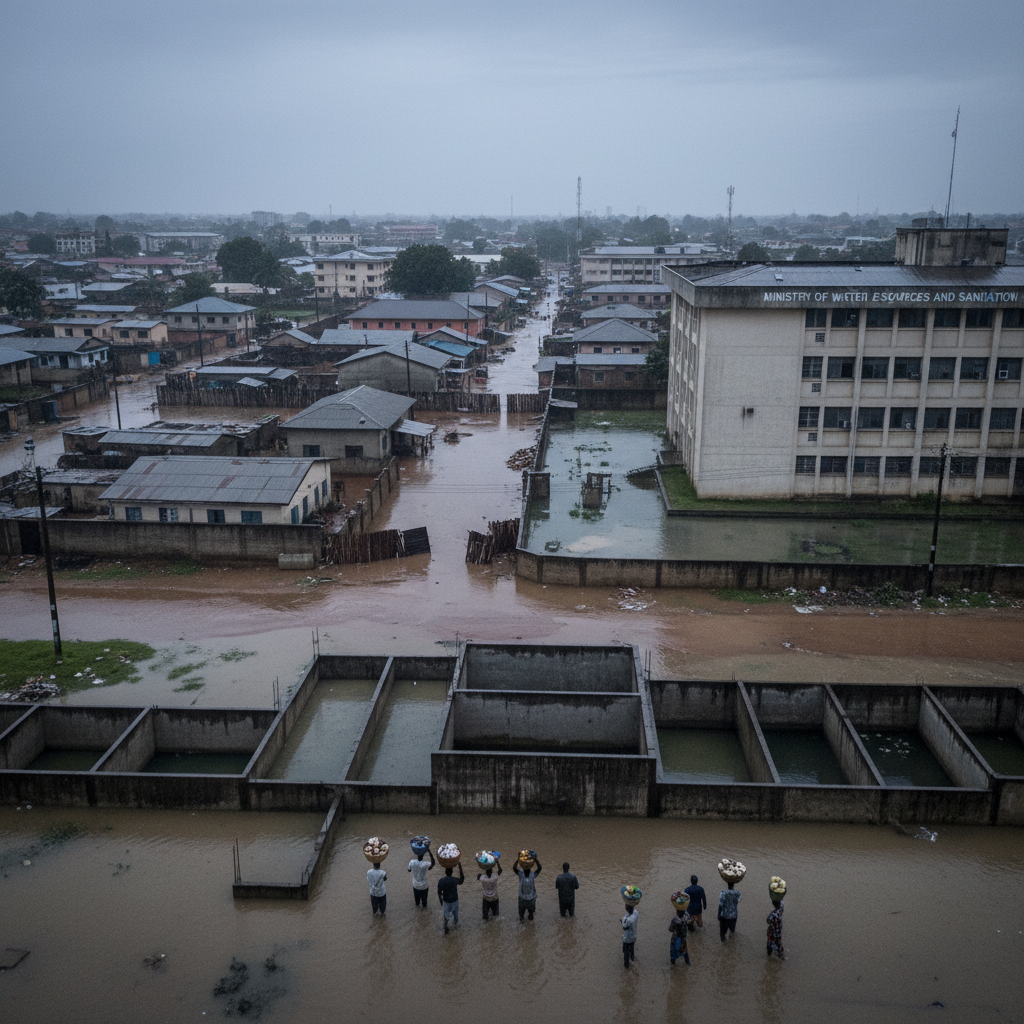
This proposal fits into Ghana's ongoing struggle with recurrent urban flooding. Data often shows that inadequate drainage and rapid urbanisation worsen flood impacts. Recent reports highlight the economic damage from floods, which can disrupt commerce, displace residents, and strain public services. A policy on rainwater harvesting could complement other flood control efforts, such as drain dredging and improved waste management.
Ing. Konadu emphasised that many homes already have gutters. However, this collected water usually flows directly onto paved areas and then into roadside drains, exacerbating the problem. He suggested Ghana adopt a system where properties hold some water on-site for a period. This would prevent all water from immediately entering the public drainage network.
The GHIE proposes that the policy would be part of a wider flood control strategy. Standards would be developed for how much water different types of buildings must hold. These standards would depend on factors like building size and roof area. The policy would apply to both new constructions and existing buildings, requiring retrofitting where necessary.
Implementing such a policy would have broad implications. It would require regulatory frameworks for construction and property maintenance. Property owners might face initial costs for installing storage systems like tanks. However, the long-term benefits could include reduced flood damage and lower public spending on flood relief and infrastructure repairs. Decision-makers will need to evaluate the economic feasibility and public acceptance of such a mandate.
Successfully implementing this policy could lead to more resilient urban environments. It could also promote water conservation by encouraging reuse of stored rainwater for non-potable purposes. This change represents a shift towards a more sustainable approach to urban water management in Ghana. The market for rainwater harvesting technology and services could also see significant growth.
The GHIE's call for action highlights a critical need to rethink urban development. It underscores the importance of integrating natural processes into infrastructure planning. This proactive approach aims to tackle Ghana's persistent flooding challenges head-on.