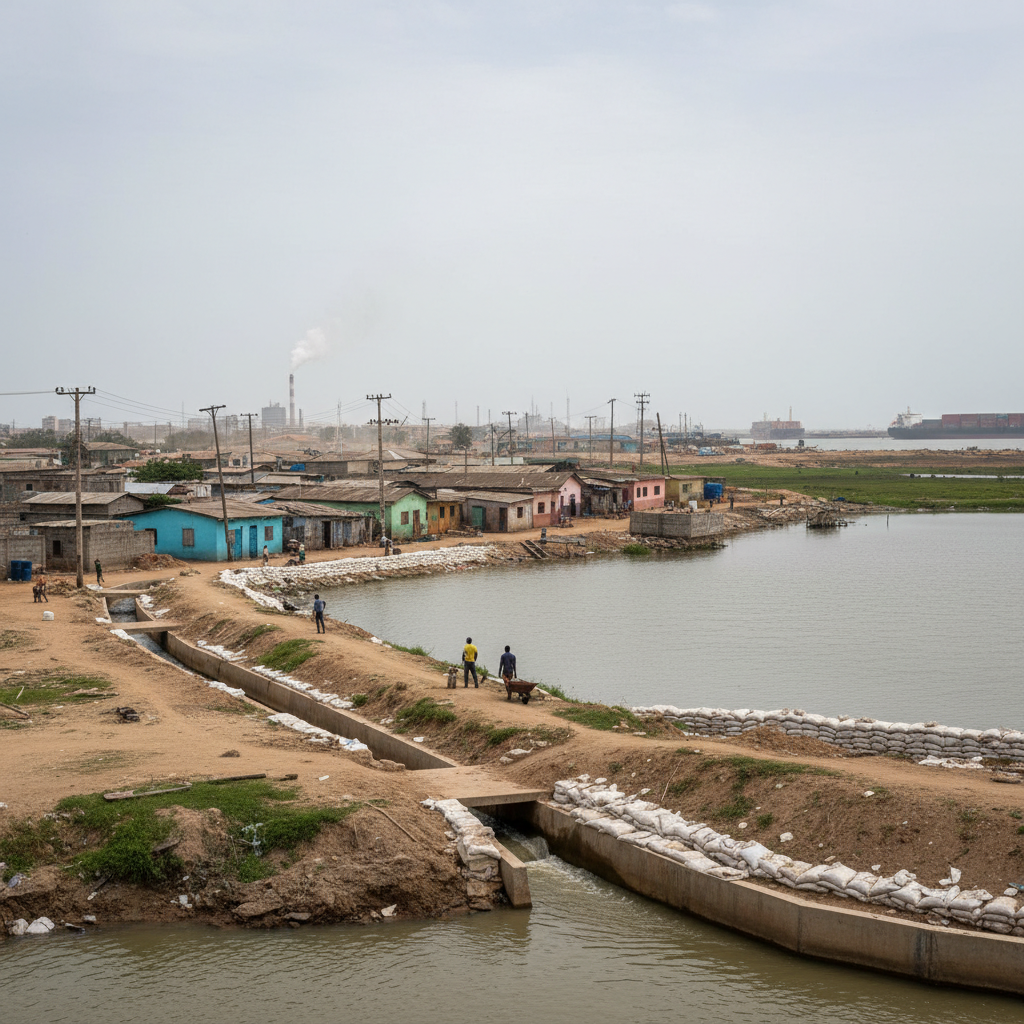
Ghana must urgently transition from its current reactive approach to flood management towards a proactive prevention strategy. Dr. Floret Maame Owusu, a medical doctor, argues that many health challenges linked to flooding are preventable before disaster strikes. This shift would significantly reduce the human and economic toll of recurring floods across the nation.
Dr. Owusu made her remarks during the seventh edition of the Loud and Green XSpaces, hosted by JoyNews. The event focused on "Contaminated Food, Safe Water and Disease in the Wake of Floods." She stressed that Ghana's current flood response often begins only after communities have already suffered severe impacts. This reactive stance leads to avoidable health crises and substantial financial burdens.
This call for a strategic shift aligns with broader concerns about Ghana's disaster preparedness and public health infrastructure. Ghana experiences annual flooding, particularly during its rainy seasons, which displaces thousands and damages property. The economic cost of these disasters, including healthcare expenses and infrastructure repairs, runs into millions of GHS each year. A proactive approach could reallocate these funds more efficiently.
Dr. Owusu emphasized that effective disaster management prioritizes prevention and preparedness over emergency response. She stated, "I believe the success of any disaster management is in how many people we did not need to save compared to how many people we now have to save after the disaster." This perspective underscores the importance of pre-emptive measures.
A major gap in Ghana's current flood preparedness efforts is public education. Communities need knowledge on water purification, safe food handling, and early recognition of disease symptoms. Dr. Owusu highlighted diseases like cholera, malaria, and diarrhoeal infections as common post-flood health issues. Educating the public before the rainy season could drastically reduce these outbreaks.
Early education and preventive measures would also significantly reduce pressure on health facilities during flood emergencies. Hospitals often become overwhelmed with cases of waterborne diseases and injuries after floods. Proactive health campaigns would alleviate this strain, allowing healthcare resources to be deployed more effectively.
Dr. Owusu also advocated for increased investment in research to understand the long-term health consequences of flooding. Better research would improve Ghana's ability to predict and respond to disease outbreaks. Reliable health data is crucial for authorities to prepare hospitals, allocate resources, and protect vulnerable communities before disasters occur.
Prevention is inherently more cost-effective than responding to widespread disease outbreaks after floods. The financial implications of treating thousands of sick individuals and managing public health crises far exceed the cost of preventive education and infrastructure. Policymakers must recognize this economic reality.
Therefore, Dr. Owusu urged policymakers to integrate public education and community preparedness into Ghana's disaster management strategy. This integration is vital as the country continues to grapple with recurring floods and their significant health implications. A national strategy focusing on prevention will safeguard public health and economic stability.