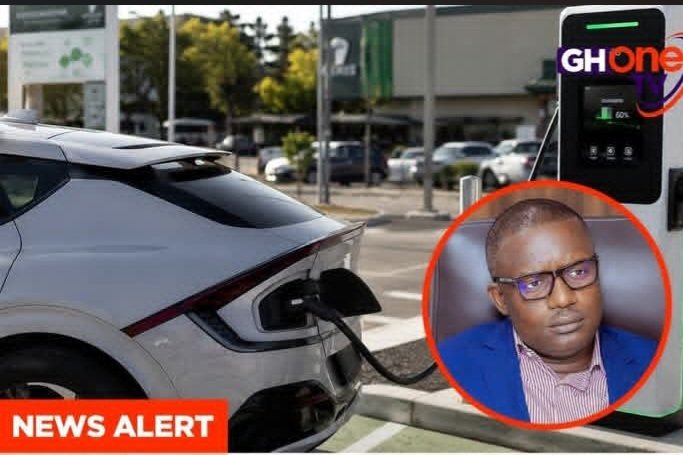
Ghana's government will introduce legislation requiring Energy Commission approval for electric vehicle (EV) charging stations. This measure addresses growing pressure on the national electricity grid. Energy Minister John Jinapor announced the new rules, citing transformer damage from rapid, unregulated EV charging point deployment.
The Ministry of Energy and Green Transition is spearheading this legislative effort. Dr. John Abdulai Jinapor made the announcement at the Future of Energy Conference in Accra. Ghana ranks among African countries with the highest number of electric vehicles. Many Ghanaians are switching to EVs due to lower running costs, saving approximately 40 percent compared to petrol or diesel vehicles.
This rapid uptake of EVs has led to widespread and often unregulated installation of charging points. These installations frequently occur without corresponding upgrades to local electricity infrastructure. The resulting strain has caused damage to transformers in various communities. This situation poses a significant challenge to maintaining a reliable energy supply for both industrialisation and domestic use.
Minister Jinapor confirmed that legislation is already before Parliament to regulate EV usage and charging. He stated, “There’s a rule to set up EV charging stations, and immediately the transformer gets blown. So what we are saying is that you would need permission to set up that EV charging station from the Energy Commission.” This requirement ensures that new charging infrastructure is integrated responsibly into the existing grid.
The proposed regulatory framework seeks to balance the burgeoning EV sector with the critical need to protect the national electricity grid. It also supports Ghana’s broader industrial development goals. Uncontrolled expansion of energy-intensive infrastructure could undermine efforts to provide stable power for economic growth. This proactive step aims to prevent widespread power disruptions and ensure sustainable energy development.
Benjamin Boakye, Executive Director of the Africa Centre for Energy Policy (ACEP), emphasised the close link between industrialisation and reliable electricity. Speaking at the same conference, he urged the government to fully integrate energy policy into the country’s industrial strategy. Boakye highlighted that processing, manufacturing, modern agriculture, and digital infrastructure all depend on consistent power. High electricity costs also reduce the competitiveness of African enterprises.
The new legislation will require individuals and businesses to obtain prior approval from the Energy Commission. This approval process will likely involve assessments of local grid capacity and necessary infrastructure upgrades. It aims to ensure that new charging stations do not overload existing transformers or distribution lines. This structured approach will help manage the increasing demand for electricity from EVs effectively.
Ghana's high EV adoption rate, while beneficial for reducing fuel costs and emissions, presents unique infrastructure challenges. The government's intervention reflects a recognition of these challenges. It underscores a commitment to managing the energy transition in a way that supports economic stability. The Energy Commission will play a crucial role in vetting proposals and guiding the sustainable expansion of EV charging networks.
This regulatory move is a critical step for Ghana's energy sector. It ensures that the benefits of electric vehicles are realised without compromising grid integrity. Businesses and consumers planning EV charging installations must now factor in the new approval requirements. This will lead to a more coordinated and resilient electricity infrastructure across the nation.