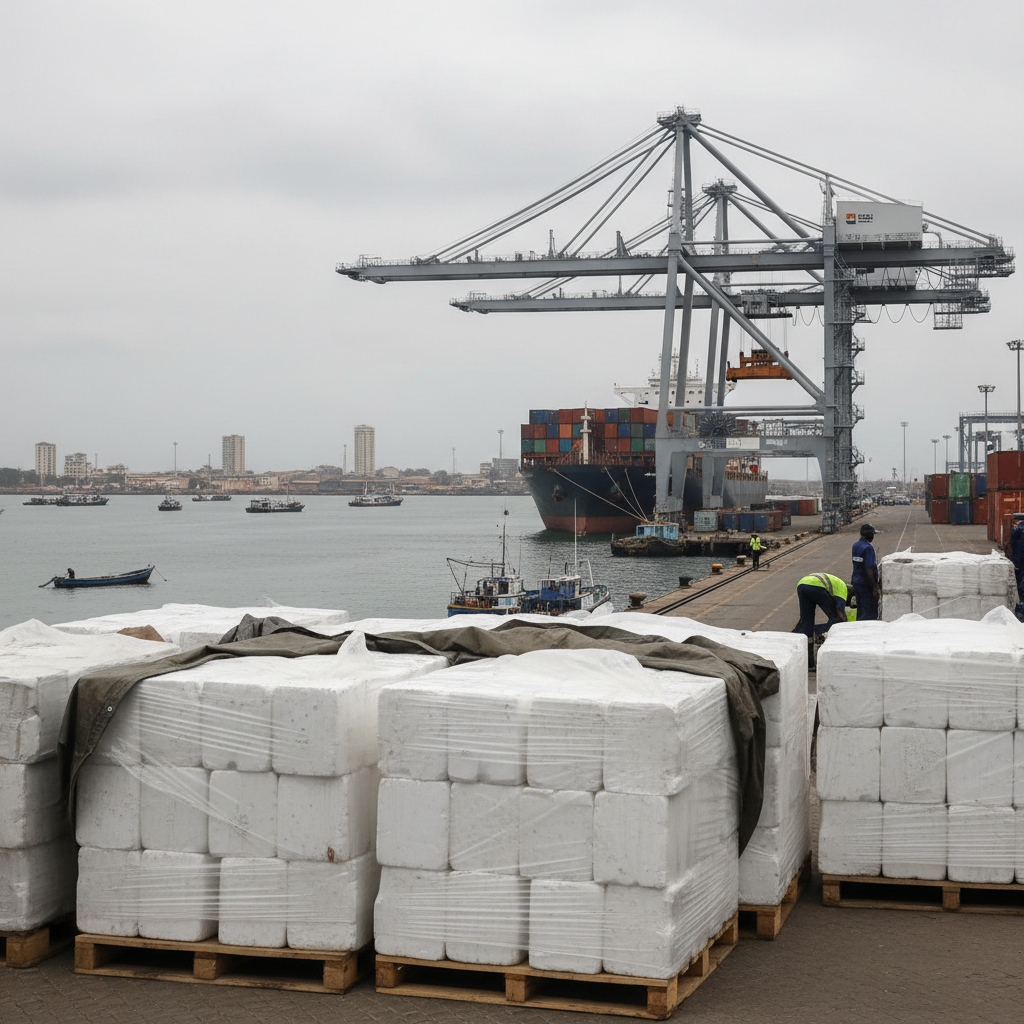
Ghana's Minister-designate for Environment, Science and Technology, Dr. Zanetor Agyeman-Rawlings, has urged the Environmental Protection Agency (EPA) to maintain the January 1, 2027, deadline for banning Styrofoam products. This directive covers the production, importation, distribution, sale, and use of polystyrene foam products, commonly known as Styrofoam or takeaway packs. The call underscores a firm commitment to addressing environmental challenges.
Dr. Agyeman-Rawlings stated that the environmental risks from widespread use and improper disposal of polystyrene products are too significant to ignore. She emphasized the necessity of decisive measures to curb their impact on Ghana's ecosystems. The proposed ban supports broader efforts to tackle the nation's growing waste management challenges and promote environmentally sustainable practices.
This policy aligns with Ghana's increasing focus on environmental sustainability and waste reduction. The country faces significant issues with plastic pollution, which often clogs drainage systems and contaminates water bodies. Previous initiatives have sought to manage plastic waste, but a comprehensive ban on Styrofoam represents a more aggressive step. This move reflects a global trend towards reducing single-use plastics and fostering a circular economy.
Dr. Agyeman-Rawlings made her appeal on Thursday, August 27, during her vetting before Parliament’s Appointments Committee in Accra. She confirmed that the EPA had already started public education activities ahead of the ban. She cited a recent awareness campaign in Kumasi as part of preparations for the policy. "The dangers around the use of polystyrene cannot be glossed over, and it has to be done," she stated.
The ban's implementation will likely lead to significant shifts in the food service and packaging industries. Businesses will need to transition to alternative, biodegradable packaging solutions. This transition could create new market opportunities for eco-friendly manufacturers. However, it also presents challenges regarding the cost and availability of these alternatives. The government will need to support businesses through this change.
Dr. Agyeman-Rawlings also called for a change in public attitudes towards disposable packaging. She recalled a time when people commonly carried their own containers when buying food. She questioned how the practice of using multiple layers of plastic packaging became commonplace. This issue ultimately requires a change in consumer behavior to be truly effective. Incentives and penalties could encourage compliance.
The National Democratic Congress (NDC) Member of Parliament for Korle Klottey stressed that behavioral change takes time. However, she noted that incentives or penalties could accelerate this process. This approach suggests a dual strategy of public awareness and regulatory enforcement. The success of the ban hinges on both public cooperation and strict adherence by businesses.
The effectiveness of the ban will ultimately depend on proper enforcement and the seriousness with which authorities address the environmental challenges. This includes monitoring compliance and ensuring that suitable alternatives are accessible and affordable. The government's commitment to this deadline sends a strong signal about its environmental priorities. This policy could serve as a model for other African nations grappling with similar waste management issues. It also highlights Ghana's dedication to achieving its sustainable development goals.