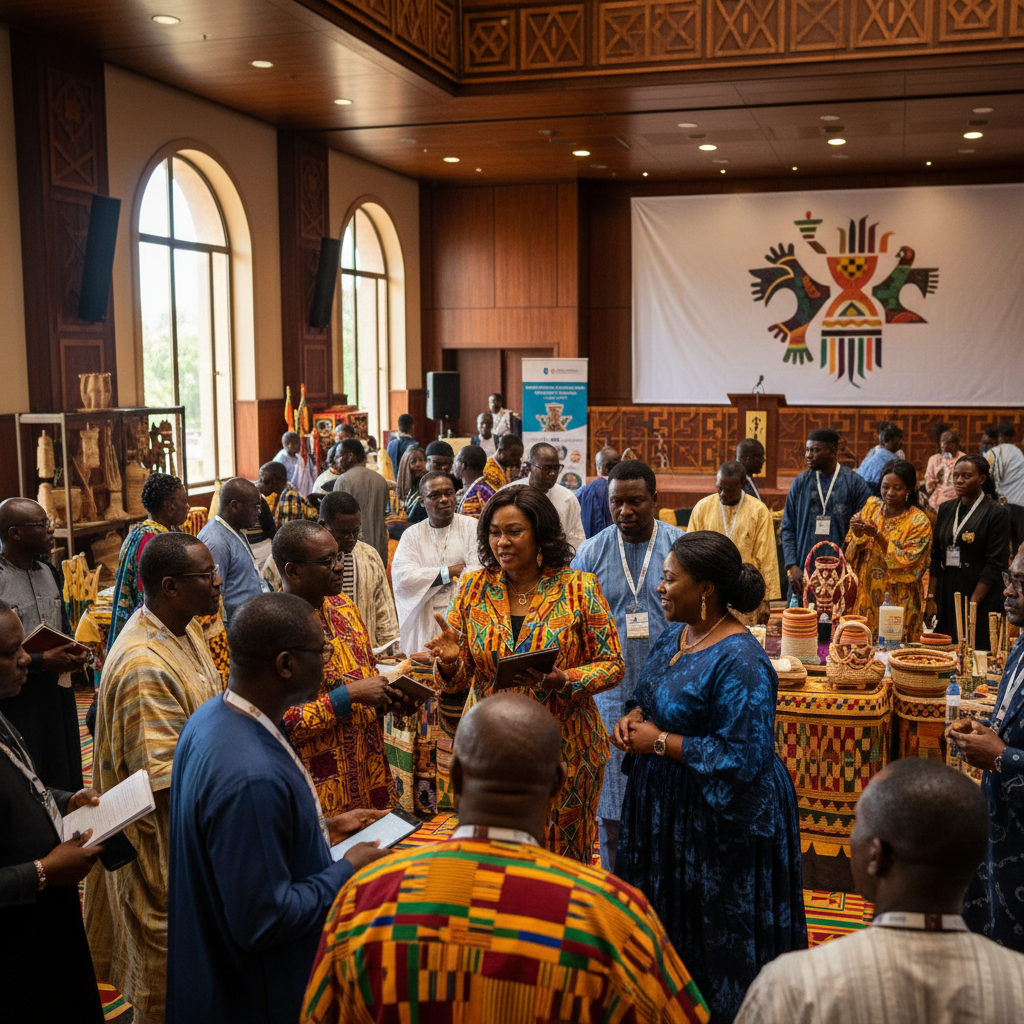
Vice President Professor Jane Naana Opoku-Agyemang officially launched Ghana’s revised national Cultural Policy on June 8, 2026. This updated policy replaces the previous version from 2004. It positions culture as a key pillar for national development, aiming to strengthen cultural and creative industries.
The revised policy serves as a strategic roadmap for Ghana. It seeks to preserve the nation’s cultural heritage while using creative sectors to drive economic growth. The initiative also aims to create jobs and advance social transformation across the country. It aligns with the United Nations Sustainable Development Goals and the African Union’s Agenda 2063.
This launch reflects Ghana's broader strategy to diversify its economy beyond traditional sectors. The government is increasingly looking at non-traditional exports and services, including creative industries, as growth drivers. Similar to efforts in tourism, integrating culture into national planning can attract investment and generate revenue. This policy builds on previous national development strategies that identified arts and culture as significant, albeit untapped, economic resources.
Professor Opoku-Agyemang urged all stakeholders within the Cultural and Creative Industries (CCIs) to collaborate. She stated that the policy marks the start of a bold chapter in Ghana’s cultural journey. The Vice President emphasized the importance of collaboration among government, traditional authorities, youth, and the diaspora. This collective effort aims to unlock culture's full potential and create opportunities through innovation. Minister for Tourism, Culture and Creative Arts, Abla Dzifa Gomashie, confirmed that the policy resulted from years of extensive consultations. The policy will support creative entrepreneurs, cultural investments, and the integration of culture into national development planning.
The successful implementation of this policy will depend on sustained government funding and private sector involvement. Market participants and investors will monitor how the policy translates into tangible support for creative businesses. The policy covers critical areas including culture and heritage, culture and society, and culture across the economy. Future developments will likely include specific programs for creative entrepreneurs and new frameworks for cultural investments. This initiative could significantly boost Ghana's GHS 1.5 billion creative arts sector, potentially creating thousands of new jobs over the next five years.
Effective regulation and oversight will be crucial for the policy to achieve its objectives. The integration of technology into cultural promotion is another key aspect. Stakeholders will watch for the release of detailed implementation plans and budget allocations. This policy offers a framework for Ghana to enhance its global cultural engagement and economic empowerment through its rich heritage.