Ghana's Ministry of Lands and Natural Resources has disclosed that illegal mining, known as 'galamsey', has destroyed approximately 8,900 hectares of the nation's forest reserves. This extensive degradation has occurred across 288 forest reserves. The Ministry also reported 258 arrests related to illegal mining activities as of July 2026.
The Ministry's update further revealed that 200 excavators have been seized during enforcement operations. A new import control regime has also led to more than 4,000 excavators being held at Ghana's ports. These machines await clearance under stricter documentation and end-user verification rules. This policy aims to prevent illegal mining equipment from reaching operational sites.
This widespread environmental destruction and the government's response highlight a critical challenge for Ghana's economy and natural resources. The nation relies heavily on its mining sector, particularly gold, which contributes significantly to GDP. However, unregulated mining has caused severe land degradation, water pollution, and loss of biodiversity. Previous government efforts to curb galamsey have faced difficulties, often due to the economic desperation driving many into illegal operations. The current measures reflect an intensified push to regulate the sector and protect vital ecosystems.
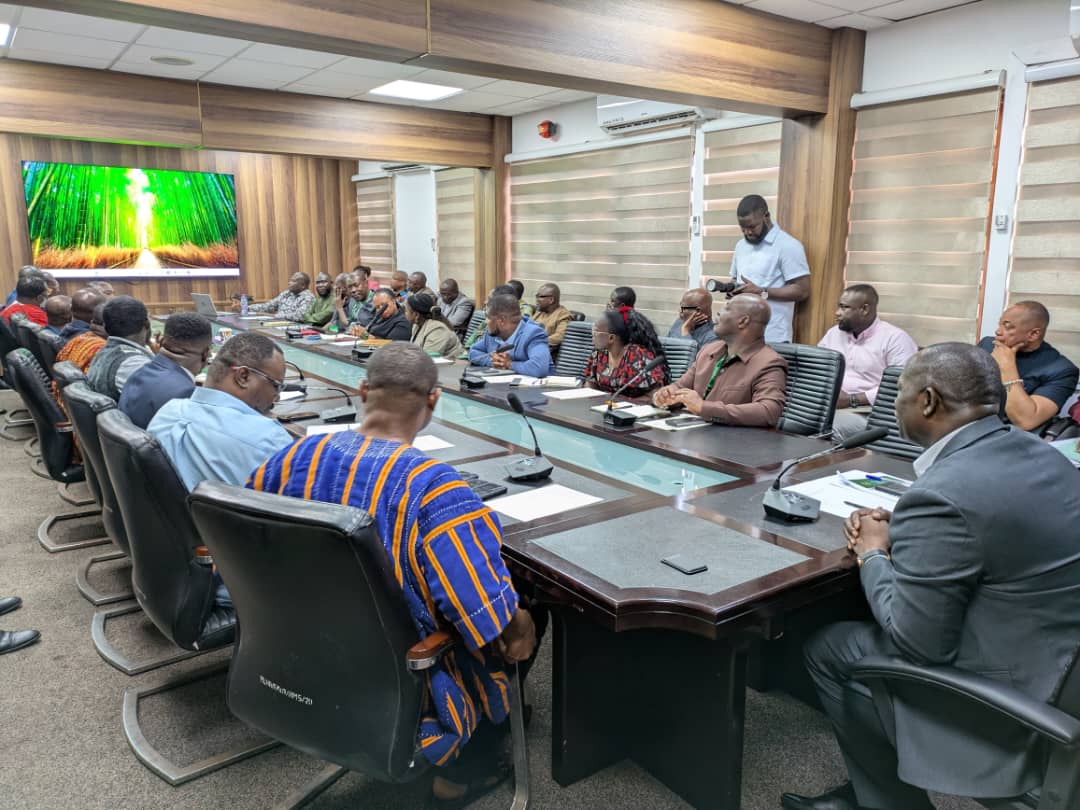
Minister for Lands and Natural Resources, Emmanuel Armah Kofi Buah, shared these details during a policy dialogue with the IMANI Centre for Policy and Education. He stated that earlier estimates had understated the extent of destruction. The updated assessment shows a substantially larger affected area. Minister Buah emphasized that restoring the devastated forest landscape will require enormous financial resources. He also acknowledged that prosecution remains a significant challenge despite the high number of arrests.
The Ministry plans to reduce the maximum initial duration of large-scale mining leases from 30 years to 20 years. This change aims to provide more flexibility in managing mining concessions. They also intend to strengthen community participation in licensing processes. These reforms seek to improve oversight and ensure more sustainable mining practices. Decision-makers will closely monitor the effectiveness of these new regulations and enforcement actions. The impact on the mining industry, local communities, and the environment will be crucial to watch. The success of these measures will depend on consistent implementation and addressing the underlying socio-economic factors driving illegal mining.
The new import controls require importers to specify the equipment's intended end-user and operational location before clearance. The Minerals Commission has established a presence at the port to facilitate this process. Approved equipment will eventually be fitted with tracking technology and geofenced to its declared operational area. This system aims to bring every excavator in Ghana under a traceable system. Commercial importers must also establish legitimate orders and prospective end-users for resale. This proactive approach seeks to stop illegal mining equipment before it causes environmental damage. The Ministry's July 2026 figures also show 2,728 pumping machines and 1,724 changfan machines seized or immobilised. These statistics underscore the scale of machinery used in illegal mining operations. The origin of changfan machines, many fabricated locally, is also under scrutiny. The government's commitment to tackling this issue will be tested by its ability to secure convictions and implement lasting reforms.