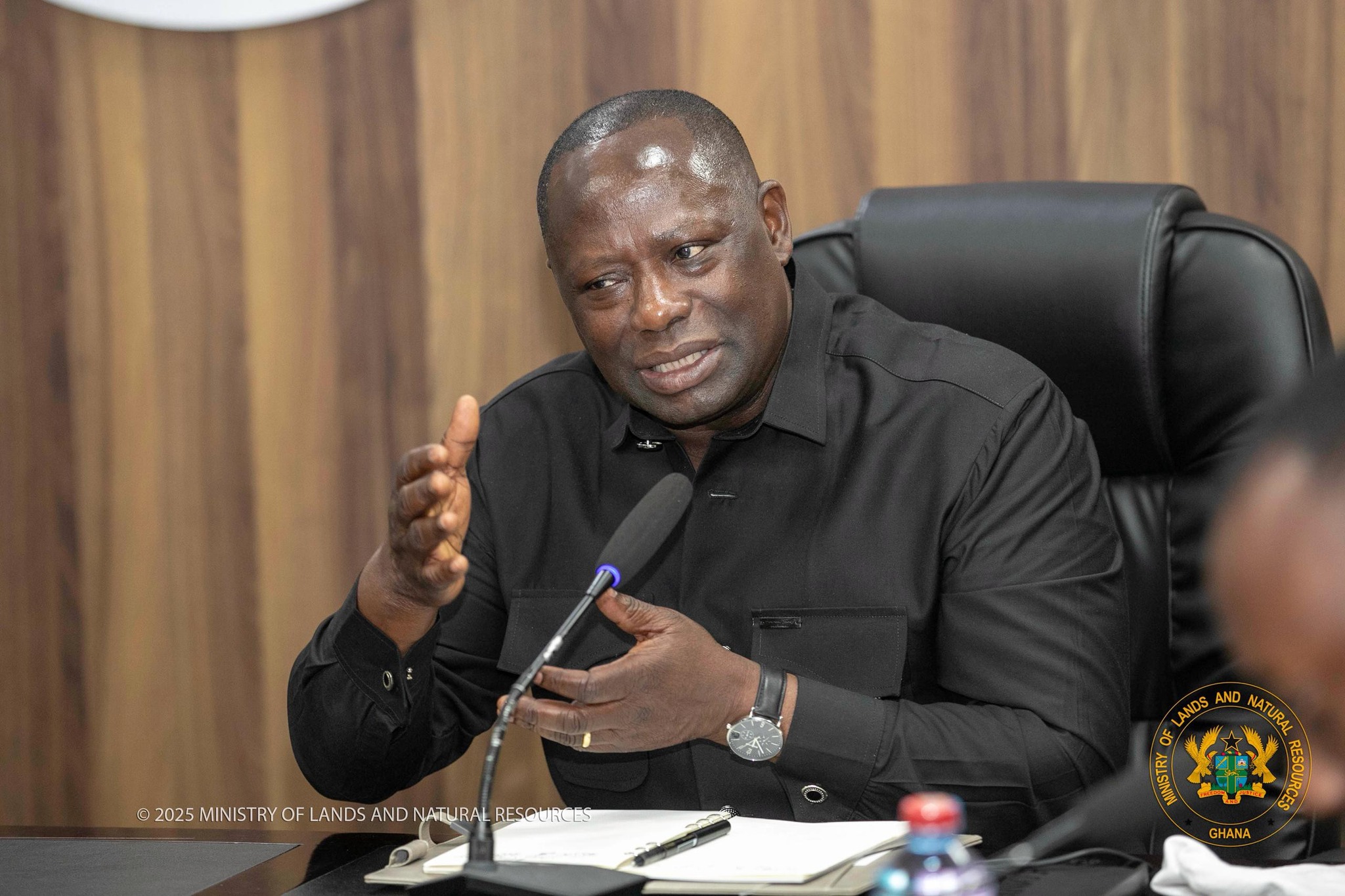
Ghana's Lands and Natural Resources Minister, Emmanuel Armah-Kofi Buah, has affirmed that no mining company, regardless of its size or financial strength, is above the nation's regulatory authority. This declaration underscores the government's commitment to stricter enforcement within the mining sector. The Minister's statement comes amidst ongoing regulatory actions, including a notable dispute involving Adamus Resources.
The government's firm stance is a direct response to alleged regulatory breaches by some operators, including issues with permits and unauthorized activities. Minister Buah highlighted that concerns were first raised by the Chief Inspector of Mines, leading to further independent assessments. This situation raises fundamental questions for mineral-rich economies about balancing robust enforcement with maintaining an attractive investment climate.
This development fits into Ghana's broader economic narrative, where the mining sector, particularly gold, is crucial. Mining contributes significantly to export earnings, foreign exchange, and tax revenues. The government's actions aim to enhance regulatory credibility, which directly impacts public finances and the overall investment environment. This move also connects to Ghana's wider fight against illegal mining, known locally as 'galamsey', demonstrating a commitment to consistent enforcement across all scales of operation.
“No mining company is bigger than Ghana,” Mr Buah stated during a policy dialogue with IMANI Centre for Policy and Education in Accra. He emphasized that institutions like the Minerals Commission serve as the industry's 'policeman'. The Minister's remarks were made during a strategic working visit focused on the Ministry’s policy direction and reforms. He stressed that all entities, regardless of their economic power, must respect national laws and institutions.
The implications of this tougher enforcement are significant for Ghana's economic future. Consistent application of regulations could strengthen governance and public trust in the mining sector. It signals that breaches will not be tolerated, even from economically powerful or strategically important investors. This approach aims to prevent the undermining of the regulatory framework's legitimacy.
However, this stricter approach also carries economic risks. Mining is a capital-intensive industry, with projects often requiring hundreds of millions of dollars and long-term investment horizons. International investors closely monitor not only tax rates but also contract stability, regulatory predictability, and procedural fairness. They also look for credible institutions to challenge administrative decisions.
The Adamus case, therefore, serves as a critical test for Ghana. The government must demonstrate that mining companies cannot operate outside national law. Simultaneously, state institutions must prove they are bound by transparent procedures, evidence, and proportionality when exercising regulatory power. This balance is essential for maintaining investor confidence while asserting national sovereignty.
Minister Buah confirmed that issues surrounding Adamus extend beyond operational and environmental concerns to include taxes, royalties, and annual statutory fees. He remains convinced that the decisions taken by the Ministry are justified. This comprehensive approach indicates a systemic effort to ensure full compliance with all statutory obligations. The government seeks to create a level playing field where all operators adhere to the same high standards.
This renewed focus on regulatory integrity is vital for Ghana's long-term economic stability. It ensures that the benefits from its natural resources are maximized for the nation. The government's commitment to enforcing its laws equally across the board will be closely watched by both local and international stakeholders. This policy aims to foster a more responsible and equitable mining industry in Ghana.