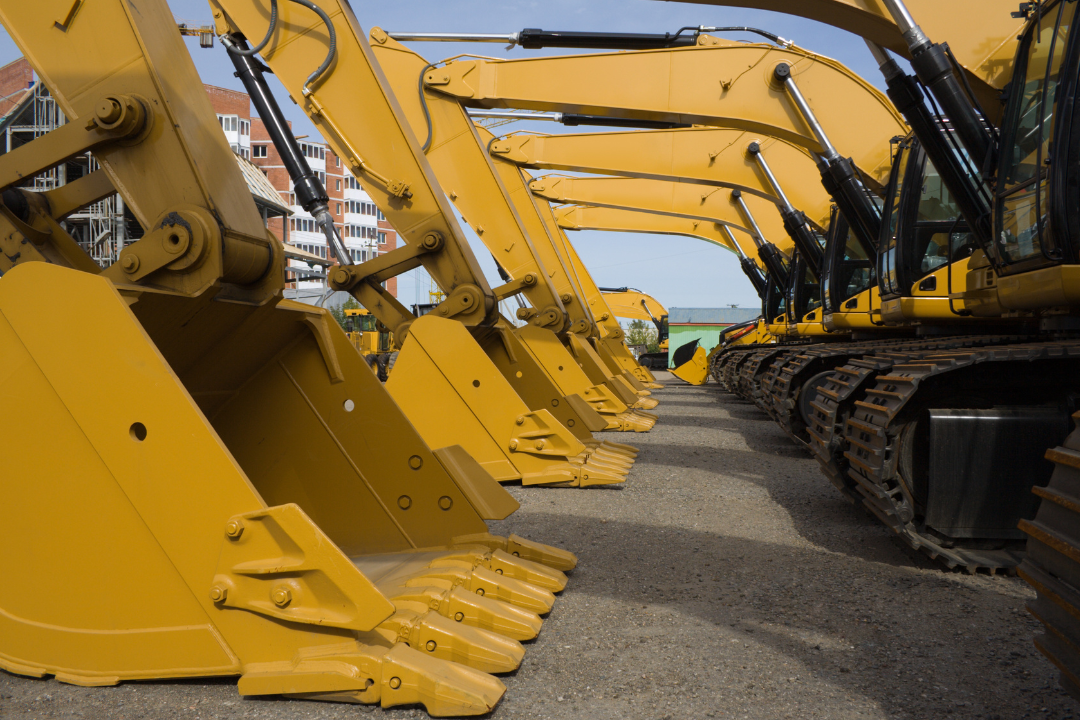
Ghanaian authorities are holding more than 4,000 excavators at the nation's ports. This action stems from new government regulations designed to prevent heavy earthmoving equipment from being diverted into illegal mining operations.
The Ministry of Lands and Natural Resources now requires importers to establish the intended owner, end user, and operational destination for excavators. This strict new clearance, documentation, and tracking regime aims to close a significant loophole in the fight against illegal mining, often called 'galamsey'.
This development fits into Ghana's ongoing struggle against illegal mining, which has caused widespread environmental damage. The government has previously deployed security personnel to seize equipment after damage occurred. This new approach targets the equipment supply chain directly, aiming to stop illegal mining before it starts. Data from the Ministry shows 200 excavators seized and 34 immobilized by July 2026 during enforcement operations.
Minister for Lands and Natural Resources, Emmanuel Armah Kofi Buah, disclosed these details during a policy dialogue with IMANI Centre for Policy and Education. He stated, "Over 4,000 excavators are still sitting, waiting for the owners to begin." The Minister explained that the previous system lacked effective mechanisms to track where equipment ultimately ended up.
This new policy has significant implications for Ghana's mining sector and equipment importers. Importers must now provide comprehensive documentation before their equipment can be cleared from the ports. The Minerals Commission has established a regulatory presence at the port to check documentation before Customs clearance.
Under the new arrangement, an importer must identify the equipment's recipient, its intended destination, and the specific mining operation where it will be used. Approved excavators will then be fitted with tracking technology. This technology will geographically restrict them to their declared operating areas.
If a machine moves outside its approved concession, regulators will detect the deviation. Kofi Buah emphasized that the ultimate goal is to bring every excavator operating in Ghana into a traceable national system. This system aims to provide an uninterrupted trail from port clearance to ownership and actual location.
Commercial importation poses a challenge, as some businesses import excavators in bulk for subsequent sale. These importers may not know their eventual buyers when the machines arrive. Government insists such importers provide evidence of legitimate orders or identifiable end users before equipment release. The Minister explained, "If you are importing 200 excavators, we have to know where those excavators are going."
The port controls are part of a wider strategy to combat illegal mining by targeting its equipment supply chain. This proactive measure seeks to be more effective than repeatedly deploying security personnel to seize equipment after environmental damage. The next test for the Ministry will be demonstrating the system's effectiveness in tracking equipment and enforcing sanctions for breaches.
Franklin Cudjoe, Founding President and CEO of IMANI, urged the Minister to consider pathways for legitimate investors to correct regulatory breaches. He stressed that regulation should be firm but also allow remediation for compliant investors. The Minister indicated openness to such engagement for operators genuinely willing to correct breaches. This adds a dimension to broader mining reforms, aiming for strict yet predictable enforcement that distinguishes between compliant and non-compliant operators.