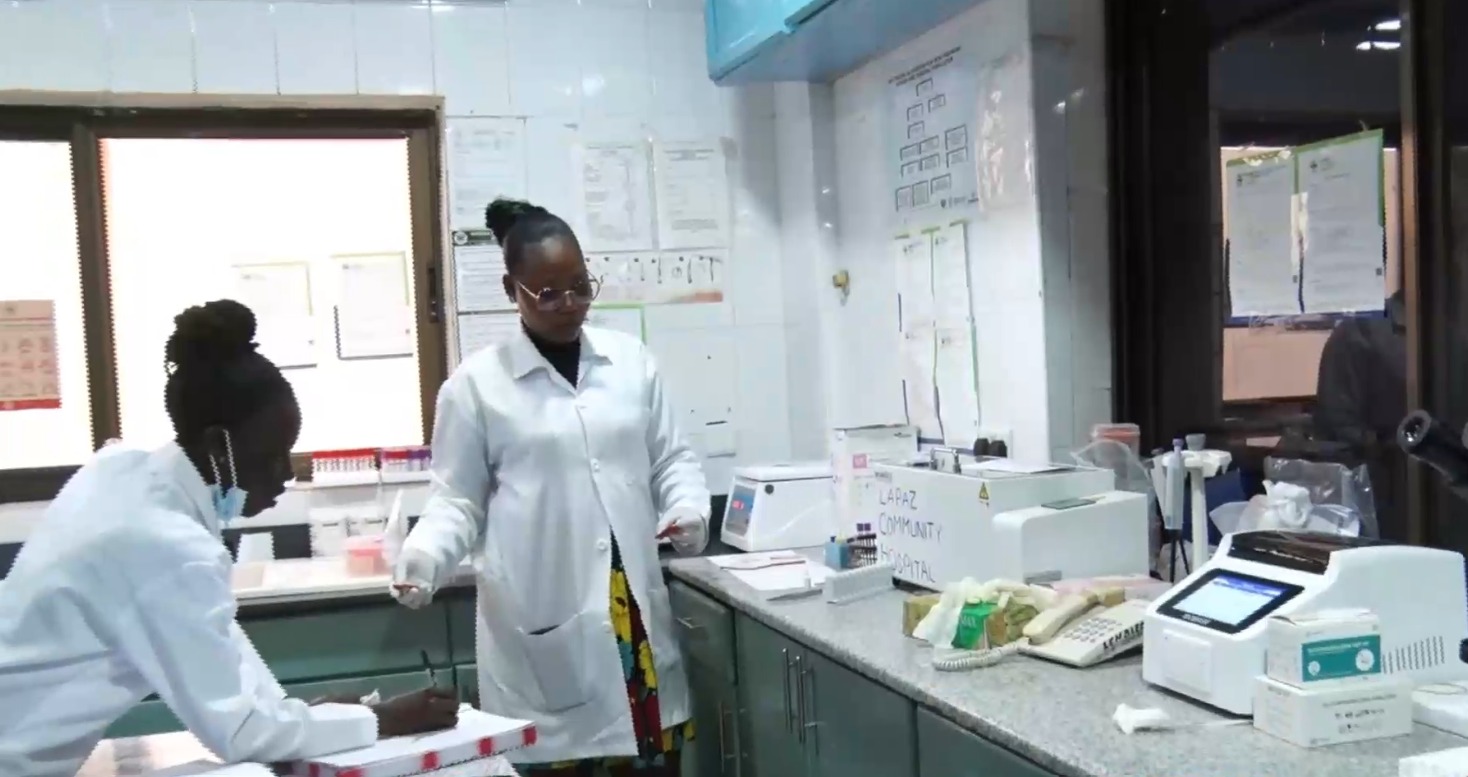
Ghana healthcare regulation failures expose patient risks

    Recent inspections reveal widespread non-compliance, prompting calls for systemic reforms to protect public health.

    3 min read5 min listen
    Ghana healthcare regulation failures expose patient risks
    Ghana's Allied Health Professions Council recently closed several health facility departments and sanctioned practitioners for operating outside legal requirements. This enforcement action exposed significant regulatory breaches within the nation's healthcare system, raising serious concerns about patient safety. The inspections revealed that many individuals entrusted with patient care lacked proper qualifications or operated in facilities failing to meet required standards. This situation challenges the public's fundamental assumption that healthcare providers and facilities undergo necessary checks before offering services. This issue fits into a broader national conversation about institutional oversight and public service delivery. Ghana's rapidly expanding healthcare sector demands robust regulatory frameworks to ensure quality and safety. The current findings suggest a potential gap between regulatory intent and effective implementation, impacting public trust and health outcomes. While the source does not provide direct quotes, the GBC Ghana report highlights the need for a comprehensive review by the Ministry of Health. It suggests that the responsibility for patient protection extends beyond individual regulatory bodies, requiring a coordinated approach. This aligns with calls from public health experts for stronger inter-agency collaboration. The immediate implication is a heightened awareness of regulatory deficiencies, which could lead to increased public scrutiny of healthcare providers. Decision-makers will likely face pressure to implement significant reforms, including enhanced inter-agency cooperation and improved verification systems. The market for healthcare services may also see shifts as facilities strive to meet stricter compliance standards. The Allied Health Professions Council's actions demonstrate that regulation is being enforced, but the underlying systemic issues demand attention. The report emphasizes that the significance of this exercise goes beyond the number of facilities closed or practitioners sanctioned. It forces a confrontation with the fundamental question of whether Ghana's healthcare regulatory system is proactive enough to prevent unsafe practices before patients are harmed. Healthcare operates on an inherent knowledge imbalance between professional and patient. This imbalance is precisely why regulation exists. Patients cannot reasonably determine if a practitioner is licensed or if a facility meets specialized care standards. The system should answer these questions long before a patient seeks care. These findings raise uncomfortable but necessary questions. If these violations were uncovered during routine regulatory exercises, many similar breaches might remain undetected elsewhere. The frequency of health facility inspections after initial licensing, the adequacy of regulator resources, and the effectiveness of inter-agency cooperation are all critical concerns. The Ministry of Health cannot ignore these questions. Patient protection does not rest with one institution alone. The Allied Health Professions Council regulates allied health professionals, ensuring their qualifications, registration, and licenses. The Health Facilities Regulatory Agency (HeFRA) licenses and inspects health facilities to ensure they meet prescribed standards. While their responsibilities differ, their mission is to protect patients. A facility with modern equipment and attractive infrastructure still poses risks if unqualified individuals provide specialized services. Similarly, a qualified professional in a poorly regulated facility cannot guarantee safe care. Patient safety depends on a coordinated system where regulators share information, inspections complement each other, and enforcement is consistent. In many developed healthcare systems, regulation prevents unsafe practices before they risk lives. Professional licenses are easily verifiable, and health facilities undergo periodic accreditation and inspections. Employers are expected to verify professional credentials before recruitment. Complaints trigger investigations, and regulators share information to identify emerging risks. Ghana should embrace this lesson. The latest crackdown should trigger reforms, not just sanctions. The Ministry of Health should lead a comprehensive review of the country's patient safety system. The Allied Health Professions Council and HeFRA should strengthen joint inspections and establish integrated information-sharing systems. Digital verification platforms should be accessible. Every licensed health facility should prominently display its operating license. Public education campaigns through radio, television, and community centers should inform citizens on how to identify licensed facilities and report violations. Sanctions must extend beyond individual practitioners to facility owners who knowingly employ unqualified personnel or repeatedly disregard regulatory requirements. These reforms aim to prevent avoidable harm, not create bureaucracy. Every unqualified practitioner who slips through the cracks represents a regulatory failure. Every facility operating without meeting standards raises questions about oversight effectiveness. The greatest concern is that patients may have been exposed to risks long before regulators intervened. Prevention, not reaction, must become the defining principle of healthcare regulation in Ghana.

    Comments

    More from StatsGH