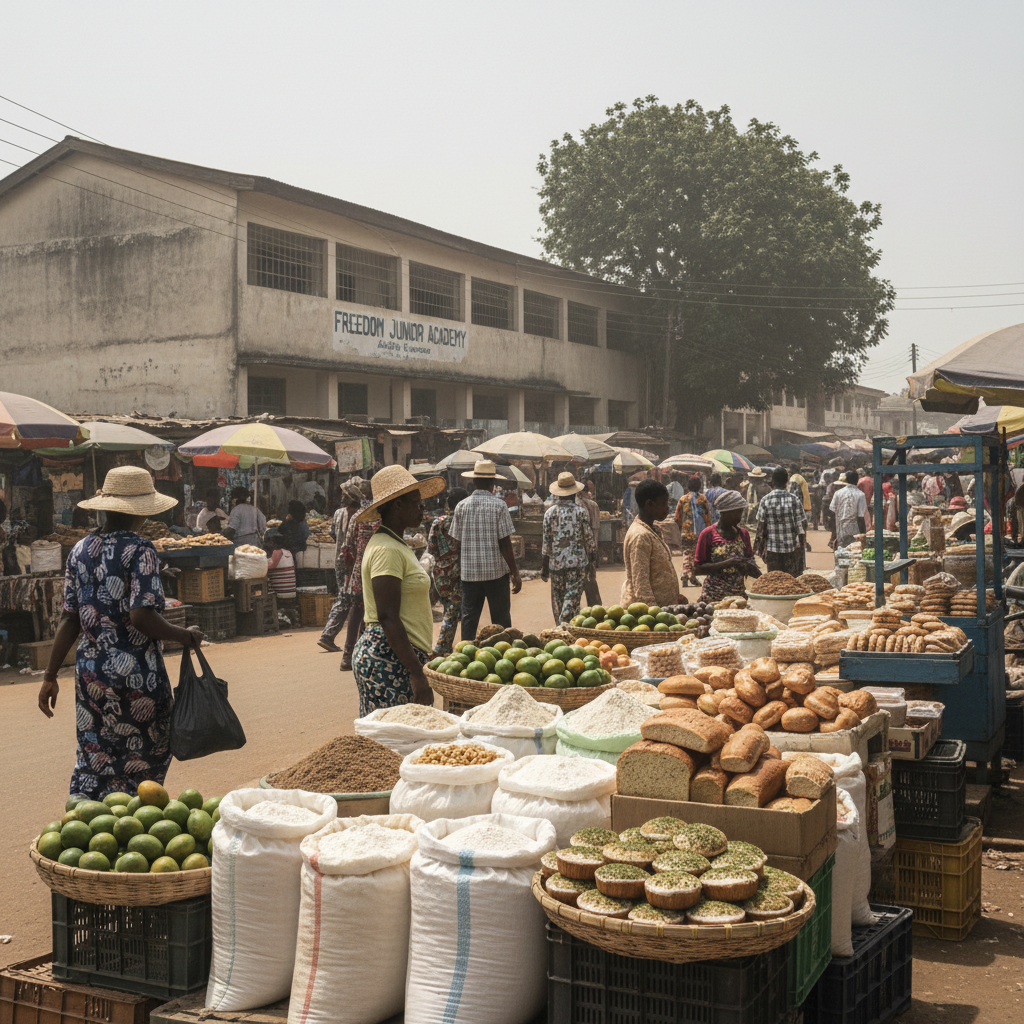
A recent JoyNews investigation, titled "Deadly Doses II," has revealed a disturbing evolution in Ghana's drug crisis. Illicit substances are now increasingly concealed within popular food and drink items, including sobolo, brownies, and gummies. This new distribution method allows drugs to infiltrate schools and university campuses, making detection significantly more difficult for authorities.
This development marks a critical shift from the open sale of narcotics in traditional drug ghettos. Traffickers are moving beyond locations like Thinker Island and Columbia in the Ashanti Region, which remain active despite sustained raids. The new approach targets younger demographics, with substances like marijuana and opioids now appearing in everyday consumables.
The findings align with broader concerns about youth drug use in Ghana. Government surveys cited in the documentary indicate that 41% of tertiary students are aware of drug use on their campuses. Similarly, 37% of senior high school students report knowledge of drug use within their schools. This data highlights the widespread penetration of illicit substances into educational institutions, posing a severe threat to the nation's youth.
Psychiatrists across Ghana are observing a concerning trend: treatment centres are admitting younger patients with substance-use disorders. Some of these patients reportedly began using drugs while still in primary school. This underscores the urgent need for enhanced prevention and early intervention strategies to protect children and adolescents from drug addiction.
The Narcotics Control Commission (NACOC) and other security agencies have conducted sustained raids against drug operations. However, the investigation shows that traffickers are adapting by using online platforms and drug-infused consumables to evade law enforcement. This requires a more sophisticated and multi-faceted response from authorities.
The government is actively considering measures to combat this growing threat. The Interior Minister has announced that a Cabinet memorandum is being prepared for mandatory drug testing for individuals seeking employment in the public service. This initiative forms part of a broader strategy to confront the escalating drug crisis and its societal impact.
The "Deadly Doses II" documentary features exclusive interviews with health professionals, recovering addicts, law-enforcement officials, and government leaders. It examines the progress made by NACOC and emphasizes the belief among authorities that enforcement must be complemented by prevention, rehabilitation, and sustained public education campaigns. Addressing this evolving crisis will require a concerted effort from all stakeholders to safeguard Ghana's future.