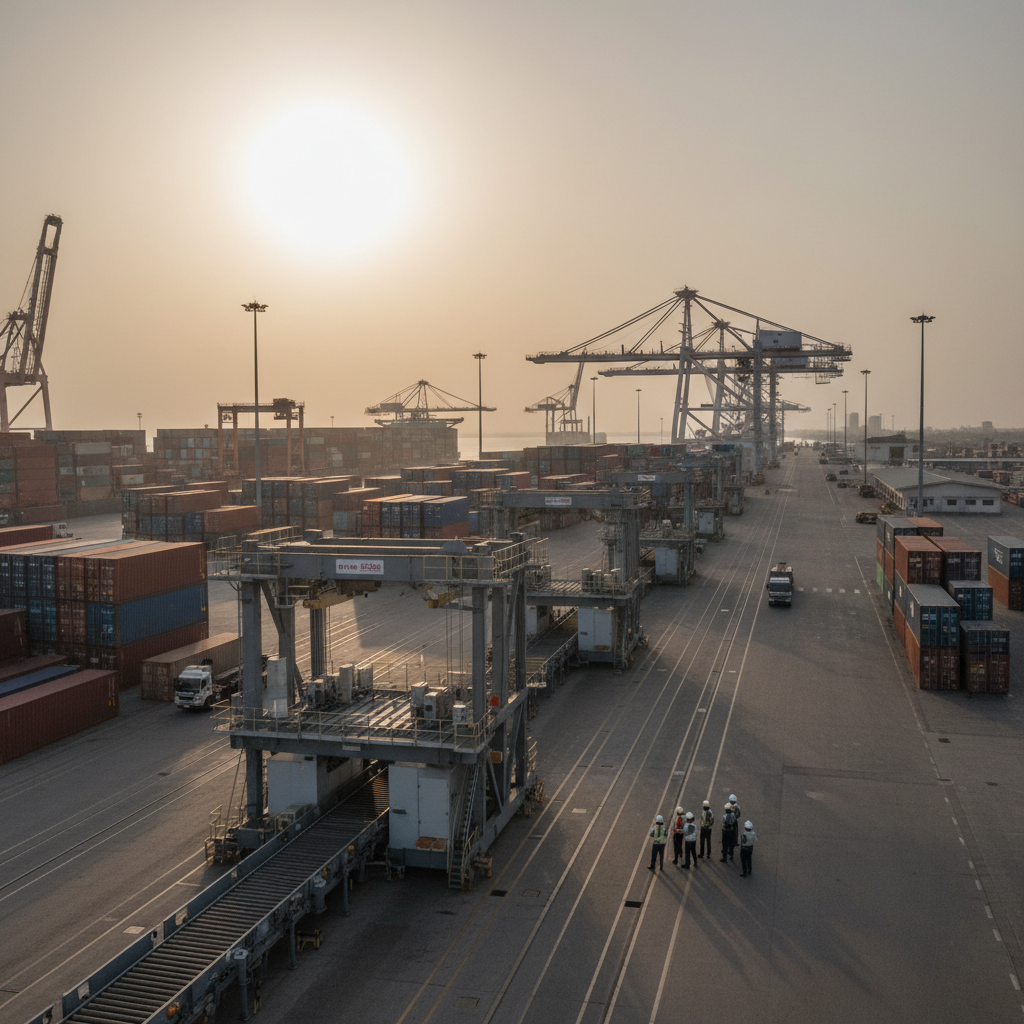
Ghana will deploy nine new narcotics scanners at its airports, ports, and border crossings. The first ultra-modern scanner is scheduled to arrive at the airport this week. This initiative aims to strengthen the fight against narcotics trafficking across the nation's entry points.
Interior Minister Muntaka Mohammed-Mubarak confirmed these plans before Parliament's Public Assurance Committee. The new scanners will boost detection capabilities, addressing previous logistical and resource constraints. Support from the Singaporean and Dutch governments facilitates the acquisition of these vital devices.
This national security enhancement comes amidst Ghana's ongoing efforts to curb illicit drug trade. The deployment of advanced scanning technology underscores the government's commitment to securing its borders. Prior reports have highlighted challenges faced by the Narcotics Control Commission (NACOC) due to resource limitations, which these new scanners will help alleviate.
Minister Mohammed-Mubarak stated, "My information from the Director-General is that we are expecting it this week. That one will be at the airport." He added that President John Dramani Mahama's visit led to Singapore's commitment to provide additional scanning equipment. Ghana expects to receive approximately eight more scanners for strategic placement.
The new scanners will be crucial for Ghana's economic stability and international reputation. Drug trafficking often correlates with various forms of financial crime, impacting the integrity of the financial system. Strengthening border security can reduce the flow of illicit funds, supporting lawful commerce and investment within Ghana.
These scanners will be deployed at critical locations such as Tema Port, Takoradi Port, Elubo, Aflao, Paga, and Hamile border points. The advanced technology will significantly enhance the Narcotics Control Commission's (NACOC) ability to detect and prevent illegal drug movements. This aligns with government efforts to address resource gaps impacting NACOC's operations.
The government's collaboration with international partners highlights a coordinated approach to national security. The Netherlands government and the Office of the President are actively involved in securing this equipment. This international cooperation is vital for effective narcotics control in West Africa.
In 2024, the Auditor-General reported GHS 5.2 billion in irregularities, noting that several state institutions, including ECG, failed to pay GHS 3 billion in taxes. Effective border control and anti-narcotics efforts are critical to safeguarding public funds. Reducing illicit trade channels can improve tax compliance and revenue generation.
Looking ahead, the successful deployment and operation of these scanners will be a key indicator of Ghana's commitment to national security. Decision-makers will monitor their impact on reducing drug seizures and enhancing border efficiency. This investment is expected to have a long-term positive effect on Ghana's economy and security landscape.