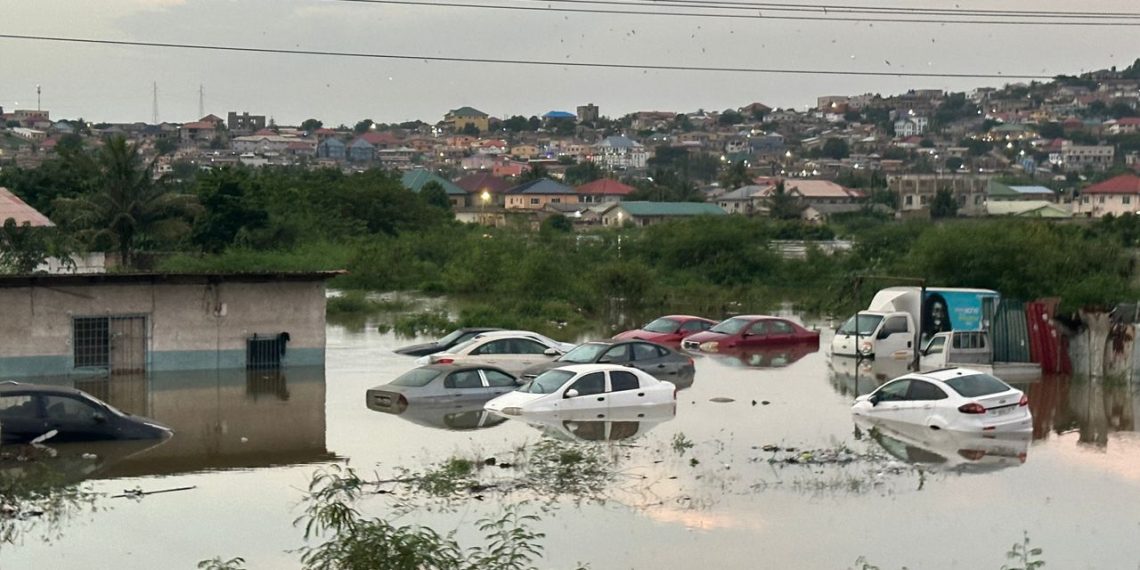
Ghana's decentralisation system reveals significant weaknesses through recurring flood crises, failing to effectively manage environmental challenges despite legal frameworks. Metropolitan, Municipal and District Assemblies (MMDAs) are mandated to oversee local development and environmental management. However, their execution falls short, leading to preventable disasters.
These failures stem from several key issues including inactive Unit Committees, under-resourced Area and Zonal Councils, and Assembly Members lacking logistical support. The Local Governance Act, 2016 (Act 936), assigns specific responsibilities to these local government bodies. These responsibilities cover environmental management, by-law enforcement, and community mobilisation. The current situation suggests these duties are not consistently met across the country.
This ongoing struggle reflects a deeper issue within Ghana's economic and political landscape. The 1992 Constitution envisioned decentralisation to bring governance closer to the people. However, technical appointments are often driven by political considerations. This compromises the Assemblies' ability to scrutinise budgets effectively and implement robust medium-term development plans. Weak local administration also reduces Internally Generated Funds (IGFs). This increases reliance on central government transfers for vital services. Such services include drainage maintenance and waste management.
The Ghana Report highlighted challenges in the system. It stated that Unit Committees and Area or Zonal Councils are largely inactive or under-resourced. This is despite their proximity to citizens. The report also pointed out the critical yet often overlooked oversight role of the Presiding Member. This role involves ensuring effective committee function and accountability in development delivery within the Assembly.
Going forward, strengthening local governance is crucial to mitigate future flood impacts. Decision-makers must focus on revitalising Unit Committees and empowering Assembly Members. Ensuring that the 30 per cent appointed members possess necessary technical expertise is also vital. Improved enforcement of local by-laws will increase IGFs, helping Assemblies invest in preventive measures. Market participants and policymakers will monitor these reforms closely, as effective local governance can prevent future economic disruptions caused by flooding. This also helps protect vulnerable populations.
The current state of affairs disproportionately affects women and children. Women experience significant livelihood losses and increased caregiving burdens during floods. Children face disrupted schooling and heightened health risks in unsafe environments. Addressing these governance gaps is therefore critical for economic stability and social equity. It moves beyond just administrative improvements. This strengthens Ghana's resilience against natural hazards in every community.