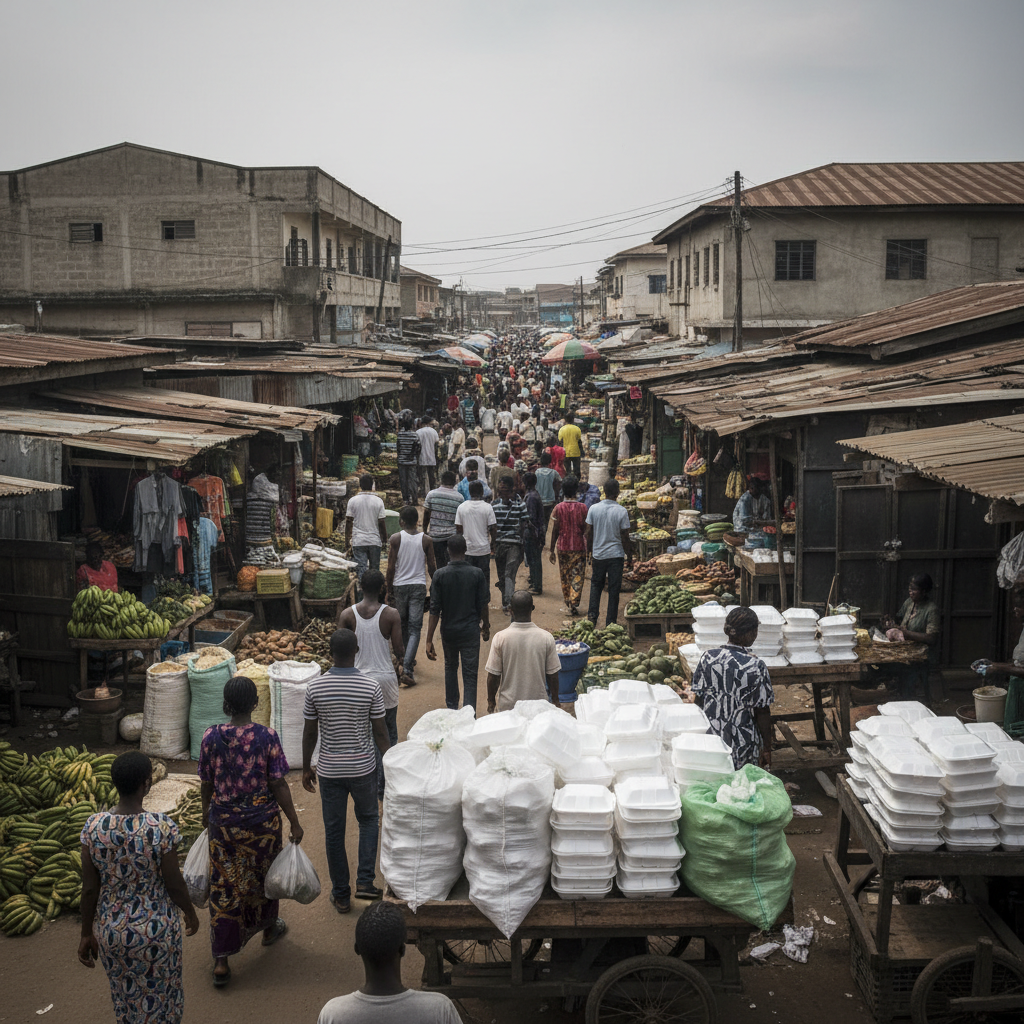
Ghana’s Environmental Protection Authority (EPA) will implement a nationwide ban on Styrofoam takeaway packs starting January 1, 2027. This prohibition covers the production, importation, distribution, sale, and use of these common polystyrene foam products. The EPA confirmed this measure aims to protect public health and address Ghana’s growing plastic pollution crisis.
The decision follows years of scientific evidence showing Styrofoam containers pose significant health risks. These risks emerge particularly when packaging hot, oily, or acidic foods. The EPA also cited the increasing environmental burden from discarded Styrofoam, which clogs drainage systems, pollutes beaches, and disrupts fishing activities across Ghana. The ban will tackle both the direct health impacts and the widespread ecological damage.
This policy reflects Ghana's broader commitment to environmental sustainability and public health. Single-use plastics, including Styrofoam, contribute significantly to the country's waste management challenges. Previous government initiatives have focused on improving sanitation and reducing plastic waste. The ban aligns with global efforts to transition to more sustainable packaging solutions and reduce reliance on harmful materials. It also highlights a growing awareness of the economic costs associated with environmental degradation, such as reduced tourism and fisheries productivity.
Hope Smith Lomotey, Director of Human Settlements at the EPA, defended the ban in an interview. He stated the ban encourages safer and environmentally friendly alternatives to current packaging. Mr Lomotey explained that heat, oily foods, or acidic foods cause Styrofoam containers to release harmful chemicals. This makes them unsafe for everyday food packaging. He specifically mentioned popular Ghanaian meals like kenkey, instant noodles, shito, and acidic beverages and fruits. These items can trigger the release of these toxic substances.
The EPA’s action signals a significant shift for the food service and packaging industries. Businesses will need to adapt their operations and supply chains to comply with the 2027 deadline. This will likely spur investment in research and development for alternative packaging materials. Decision-makers and market participants will monitor the rollout closely for its impact on prices and availability of food packaging. The Ministry of Trade and Industry may also need to provide support or incentives for businesses to transition smoothly. This will ensure minimal disruption to the economy and continued public access to essential goods.
The ban's implementation will require robust enforcement mechanisms by the EPA. This prevents illegal imports and production of Styrofoam products after the deadline. Further, public awareness campaigns will be crucial to educate consumers and businesses about the new regulations. These campaigns will also promote the adoption of environmentally sound alternatives. The success of this ban will depend on collaborative efforts from government, industry, and the public. This collective action is essential to truly mitigate health risks and plastic pollution in Ghana.