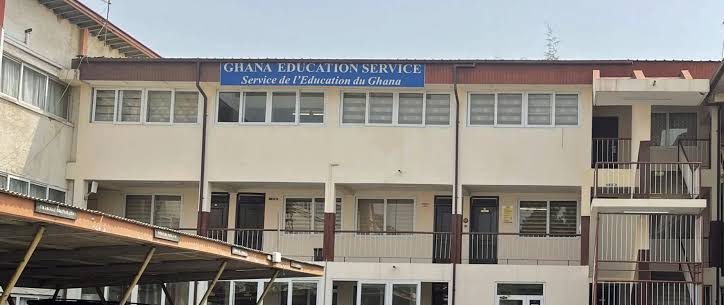
The Ghana Education Service (GES) will introduce tougher measures, including possible criminal prosecution, for Senior High School (SHS) students involved in serious acts of misconduct. This new policy specifically targets students responsible for extensive destruction of school property. The GES also indicates that parents may face accountability in certain situations.
This decisive action stems from a growing concern over rising indiscipline within Ghana’s SHS system. The destruction of school property often leads to significant financial burdens for the state and disrupts the learning environment. The GES aims to deter such behavior through more stringent penalties.
This initiative fits into a broader national conversation about maintaining order and accountability in public institutions. Ghana's education sector, a significant recipient of public funds, faces pressure to ensure efficient use of resources. Prior incidents of student unrest and property damage have highlighted the need for a robust disciplinary framework.
Professor Smile Dzisi, Deputy Director-General of the GES, confirmed the upcoming changes. She stated, "Any student that will be caught will be severely punished." Professor Dzisi also emphasized that staff members condoning such actions would face similar severe punishment. This statement underscores the GES's commitment to holding all parties accountable.
The GES will convene a national stakeholder engagement in Sunyani next week. This meeting will examine the root causes of student misconduct and identify practical solutions. The outcomes of this engagement will inform the final implementation of the new disciplinary measures. Decision-makers and school administrators will closely watch these developments.
The potential for criminal prosecution marks a significant shift from previous disciplinary approaches. This could have far-reaching implications for students, parents, and the justice system. The focus on accountability for property damage aligns with efforts to protect public assets. This move also aims to foster a more responsible and disciplined student body across the country.
The financial implications of property destruction in schools are substantial. Repairing damaged facilities diverts funds that could otherwise be used for educational improvements. By imposing stricter penalties, the GES hopes to reduce these costs. This will allow more resources to be directed towards enhancing the quality of education. The new measures are expected to be fully implemented following the Sunyani stakeholder meeting.
The GES's stance reflects a commitment to ensuring a conducive learning environment for all students. It also signals a zero-tolerance policy for behaviors that undermine educational progress. This policy change is a critical step in addressing long-standing challenges in Ghana's secondary education system. The public will monitor its effectiveness in curbing indiscipline.