The Ghana Coalition Against Galamsey (CAGG) has publicly disputed the government's assessment of its fight against illegal mining, known locally as galamsey. CAGG accuses state institutions of uneven enforcement across regions and raises unverified allegations of corruption within the National Anti-Illegal Mining Operations Secretariat (NAIMOS).
This challenge follows a 15th July 2026 presentation by the Minister for Lands and Natural Resources, Emmanuel Armah-Kofi Buah, who stated that “the era of impunity is over.” CAGG, however, rejected this claim, arguing that conditions in several regions contradict the government's optimistic report. The coalition acknowledged some government progress, including the revocation of Executive Instrument E.I. 144, which had removed legal protection from parts of the Achimota Forest Reserve.
This dispute highlights persistent challenges in Ghana's efforts to curb illegal mining, a sector that significantly impacts the nation's environment, water bodies, and public finances. Galamsey operations often lead to severe land degradation, pollution of rivers, and loss of biodiversity, posing long-term threats to agricultural productivity and public health. The government has invested substantial resources into combating galamsey, but its effectiveness remains a contentious issue among civil society groups and local communities.
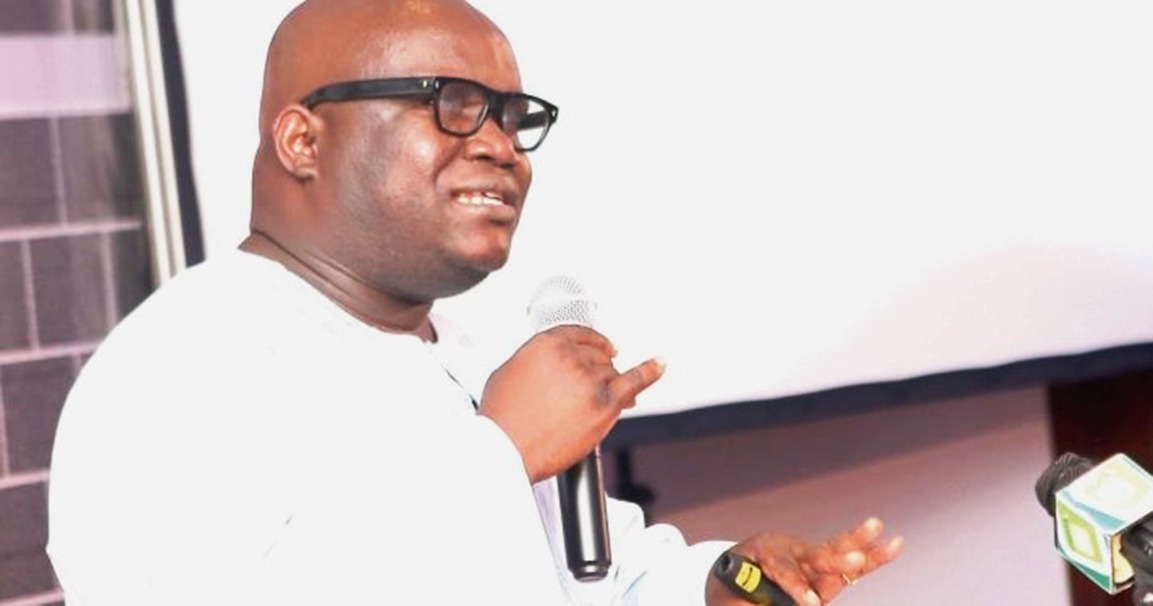
Engineer Kenneth Ashigbey, convener for CAGG, stated at a press briefing in Accra that the coalition has received “unverified community reports of selective enforcement.” He further alleged that confiscated equipment is being returned to operators for payment, citing an alleged GHS 15,000 fee to reclaim seized motorbikes. CAGG called on NAIMOS to address these allegations and publish its complaints record.
The implications of CAGG's claims are significant for public trust and the future of anti-galamsey efforts. Decision-makers will need to address the allegations of corruption and uneven enforcement to maintain credibility. The ongoing debate will likely influence public perception of the government's commitment to environmental protection and the rule of law. Investors and international partners will also closely monitor how these issues are resolved, given the environmental and social risks associated with unregulated mining.
CAGG pointed to the Eastern Region, specifically the Apedwa Junction-Anyinam-Osino corridor and the area around Kyebi, as evidence of continuing lawlessness. They noted that illegal miners recently clashed with a NAIMOS team in this region, close to the seat of government. The coalition questioned whether “the perception of selective enforcement” is true, given these ongoing activities.
Further evidence cited by CAGG includes the Atewa Range Forest Reserve, a vital water source for more than 5 million Ghanaians, which remains under pressure from illegal miners. Cape Three Points, near Ghana's first Marine Protected Area, also faces similar threats. CAGG reported that Forestry Commission staff had to demobilise an illegally operating excavator in the Afao Hills Forest, Bibiani Forest District, just days before their briefing. They also alleged unchecked mining near Bamboi and Tinga, within the Bui Hydroelectric Dam catchment area.
According to CAGG, flooding linked to galamsey in Samreboi has displaced more than 1,000 people. Near Lake Bosomtwe, CAGG named Richard Antwi, alleging his activities are “known to the Ashanti Regional Minister.” In the Ahwiren wetlands, near Bekwai, CAGG alleged the District Chief Executive is “either complicit or incompetent” regarding illegal operations. By contrast, CAGG praised the Ashanti Regional Coordinating Council for directing some district assemblies to suspend excavator movement for a month, commending their enforcement and reclamation efforts.
CAGG acknowledged that NAIMOS has carried out more than 200 operations, a figure it confirmed is “not in dispute.” However, the coalition highlighted that no galamsey “kingpins” have been prosecuted in 19 months, beyond one named case. This lack of high-profile prosecutions contradicts President Mahama's 2024 pledge to tackle party involvement in illegal mining. CAGG renewed calls for safeguards in the pending Minerals and Mining Act revision and the publication of the Constitutional Review Committee report. They also urged a halt to fuel sales to illegal operators, alleging the National Petroleum Authority has not acted despite prior assurances.