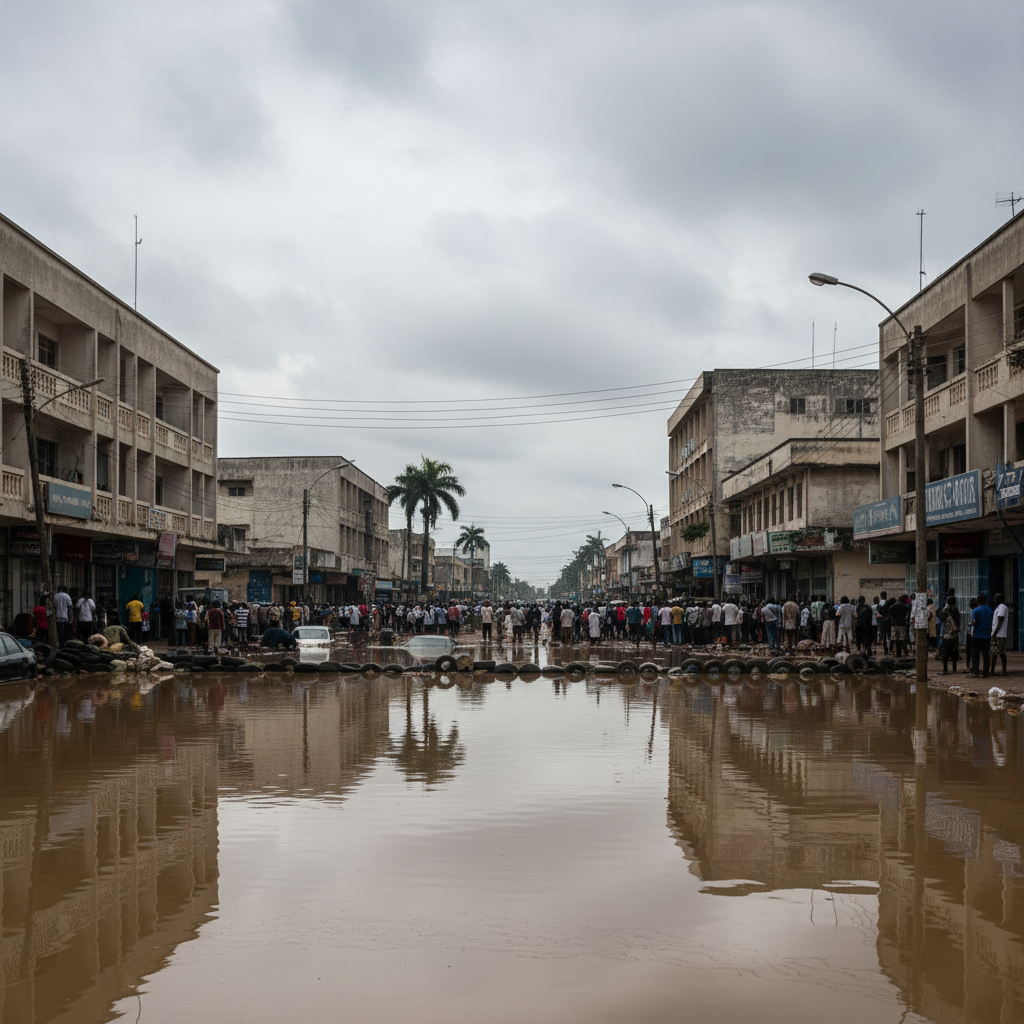
King Tackie Teiko Tsuru II, the Ga Mantse, and the Ga Traditional Council have called for a united national effort to address Accra's recurring flooding. They stress that the perennial problem needs strict enforcement of planning regulations and improved environmental stewardship. This appeal follows recent torrential rainfall that caused widespread damage across the Greater Accra Region.
Accra's persistent flooding threatens lives, livelihoods, and property. The Ga Traditional Council believes the problem is not solely an engineering challenge. They point to indiscriminate waste disposal, unauthorised construction on waterways, and poor environmental management as major contributors. These factors worsen flooding during periods of heavy rainfall, impacting businesses and homes.
This call for action highlights a major ongoing challenge for Ghana's economic development. Recurring floods disrupt commerce, destroy infrastructure, and displace residents, costing the economy millions in damages and recovery efforts. The National Disaster Management Organisation (NADMO) and metropolitan authorities frequently respond to these crises, diverting resources from other essential services. Data consistently shows that urbanisation without proper planning or waste management exacerbates environmental challenges in Ghana's capital.
The Ga Mantse, King Tackie Teiko Tsuru II, stated, "We emphasize that flooding in Accra is not solely an engineering challenge, but a matter that demands collective responsibility, adherence to land-use regulations, improved sanitation practices, environmental stewardship, and respect for natural waterways." He expressed confidence that stronger enforcement and strategic urban planning could significantly reduce the devastating effects of flooding. This statement was issued by the Ga Traditional Council on Wednesday, July 1.
The emphasis on collective responsibility and stricter enforcement indicates a shift towards a more holistic approach to flood management. Decision-makers in government, particularly at the Greater Accra Regional Coordinating Council and metropolitan assemblies, will need to respond with more robust policy implementation. Businesses and property owners should anticipate increased scrutiny regarding construction permits and waste disposal practices. This could lead to higher compliance costs for some, but also reduced long-term risks from flooding. The financial markets will likely monitor the effectiveness of these measures, as persistent flooding can undermine investor confidence in Ghana's urban centers.
The Ga Traditional Council has pledged to use its authority to promote behavioral change within communities. This includes encouraging residents to protect drainage systems and prevent unlawful developments along waterways. Such efforts are crucial for sustainable urban resilience. The integration of traditional leadership in environmental governance could prove vital for community-level adherence to new regulations. The long-term success will depend on sustained collaboration among government institutions, traditional authorities, and citizens.