Elikem Kotoko, Deputy Chief Executive Officer of the Forestry Commission, urged authorities to demolish all illegal structures built on waterways. He insisted political considerations should not prevent actions to protect lives from flooding. This directive comes after recent deadly floods on June 29, which killed over 13 people and affected more than 7,000 households.
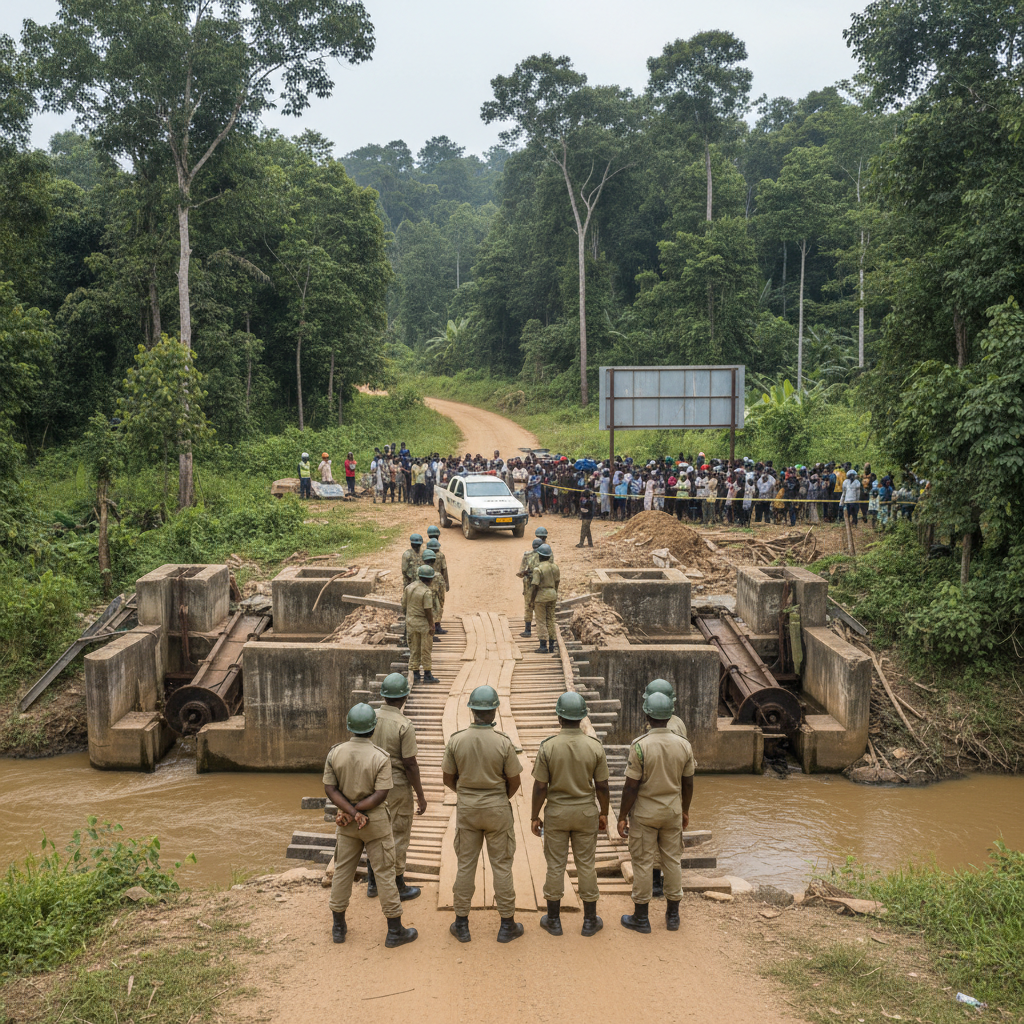
Mr. Kotoko emphasized prioritizing human lives over political consequences. He stated that the loss of life represents a greater political cost than any backlash from demolitions. His remarks follow the government's announcement to deploy the Ghana Armed Forces (GAF) to lead post-flood recovery operations. Brigadier General Forster Okae-Yeboah, Director General of Joint Operations for the GAF, confirmed the military's role in coordinating these efforts. The military's involvement is part of a broader government initiative to restore affected communities and reduce future disaster risks.
Ghana consistently faces severe flooding, particularly during rainy seasons, impacting both urban and rural areas. This recurring issue highlights systemic failures in urban planning and environmental enforcement. The economic toll of these floods is substantial, involving infrastructure damage, displacement, and disruption to livelihoods. Previous administrations have struggled to implement lasting solutions, often facing pushback from affected communities or political groups. This situation underscores the urgent need for decisive action to protect citizens and the national economy.
Speaking on Channel One TV's Breakfast Daily on July 6, Mr. Kotoko lauded the military's involvement. He stated, “I commend the need for the military to come in to do this. I expect a diligent job to be done.” He further added, “There’s no greater political consequence than losing the lives of people, and therefore there’s a need for us to sit up and make sure we fight this.” This statement reinforces the critical importance of a non-partisan approach to public safety.
The deployment of the Ghana Armed Forces for this recovery and mitigation exercise signals a more stringent approach by the government. Observers will closely watch the execution of this plan, especially the potential demolitions of illegal structures. The success of these efforts will depend on sustained political will and rigorous enforcement of existing regulations. Long-term solutions, including improved urban planning and drainage systems, remain crucial to prevent future flood disasters. This decisive action could set a precedent for addressing similar environmental challenges across the country. The government’s commitment to addressing these long-standing issues will define its response to climate change and urban development challenges. It will also impact the safety and security of communities vulnerable to such natural catastrophes.