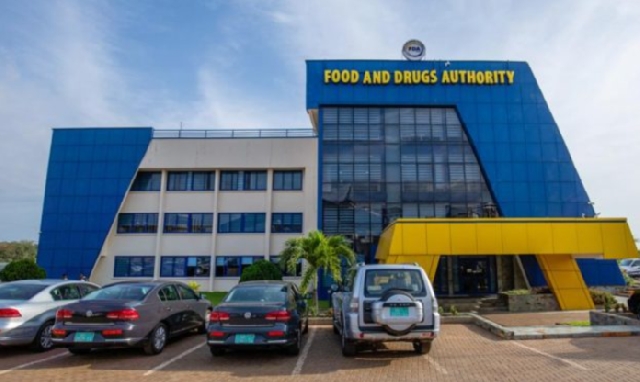
The Food and Drugs Authority (FDA) has shut down 44 food manufacturing facilities across Ghana. This decisive action follows a nationwide inspection that revealed widespread violations of food safety regulations.
These facilities were operating without the necessary licenses and maintained poor sanitary conditions, posing significant risks to public health. The closures specifically targeted businesses in areas like the Ga East and Ga West Municipalities, affecting various operations including sachet water producers and cold stores.
This enforcement drive aligns with Ghana's ongoing efforts to strengthen regulatory oversight in critical sectors. The FDA's actions underscore the government's commitment to consumer protection and ensuring that all food products meet national safety standards. Such interventions are crucial for maintaining public trust in locally produced goods and preventing potential health crises.
Mrs. Rhoda Ewurabena Appiah, the FDA's Head of Communications, confirmed the closures. She stated that the Authority will continue to enforce food safety regulations rigorously to protect the public. Mrs. Appiah stressed that only licensed businesses meeting compliance standards would be permitted to operate.
The immediate implication of these closures is a disruption in the supply chain for certain food products, particularly sachet water. Consumers may experience temporary shortages or shifts to alternative brands as the affected facilities address their compliance issues. This situation also serves as a stern warning to other food manufacturers to adhere strictly to regulatory requirements, or face similar sanctions.
The FDA's inspection specifically identified Virgen Natural Mineral Water, a sachet water production facility in Ashongman, as one of the businesses operating without a required license. This highlights the Authority's focus on ensuring even basic necessities like drinking water are produced under safe conditions. The Authority has reiterated its warning that non-compliant businesses face sanctions, including facility closures.
This regulatory crackdown is expected to have a ripple effect across the food manufacturing sector. Businesses will likely increase their investment in compliance measures, including obtaining proper licenses and upgrading sanitary conditions, to avoid similar fates. This could lead to higher operational costs for some producers, potentially impacting consumer prices in the long term.
The FDA's consistent enforcement of food safety laws is vital for Ghana's economic stability and public health. A robust regulatory environment builds consumer confidence, which is essential for both domestic consumption and international trade. The Authority's vigilance helps to safeguard Ghana's reputation for food safety standards on the global stage.
The ongoing inspections and closures demonstrate a clear message from the FDA: food safety is non-negotiable. This firm stance is crucial for preventing foodborne illnesses and ensuring that all Ghanaians have access to safe and wholesome food products. The Authority's actions are a critical component of national health security.