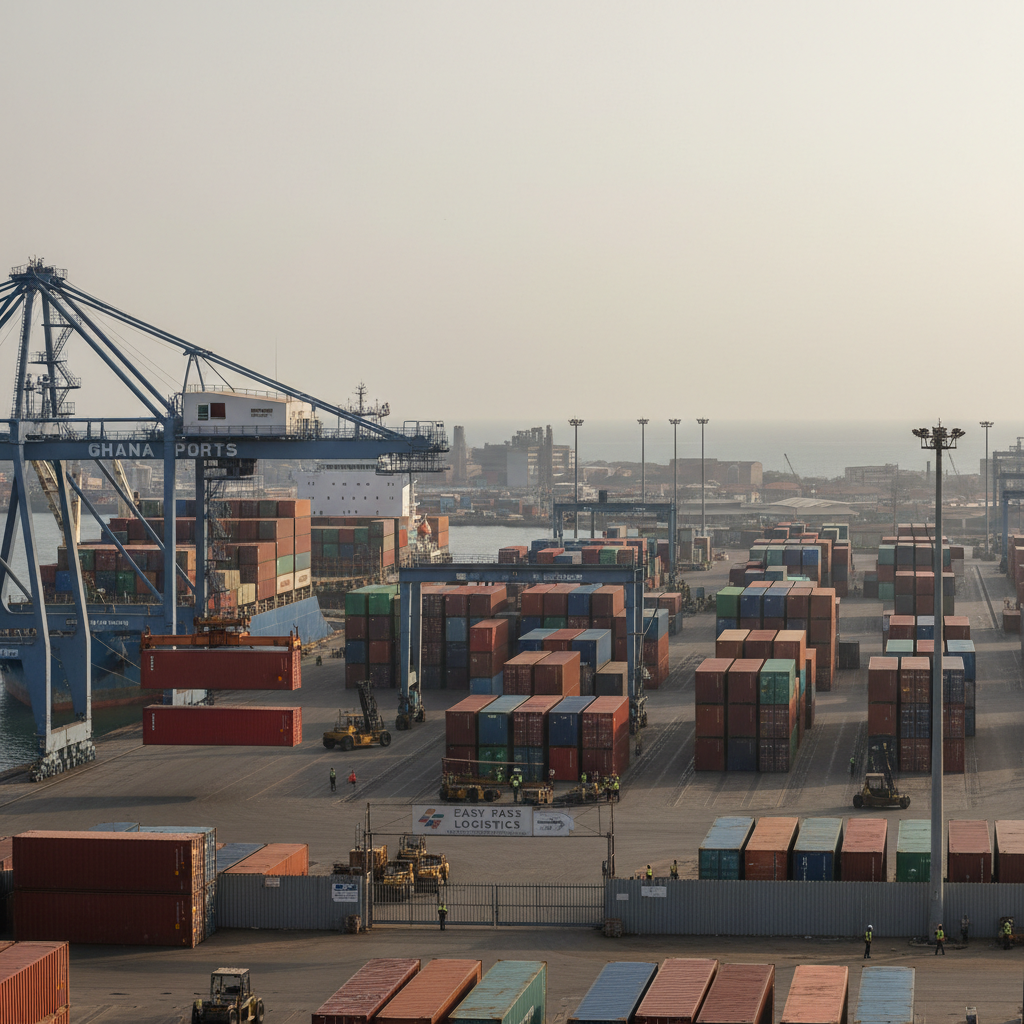
The Food and Beverages Association of Ghana (FABAG) has directly appealed to President John Dramani Mahama to suspend the Ghana Easy Pass Programme. FABAG warns this new import verification regime will increase business costs and ultimately drive up consumer prices.
The association stated that the Ghana Standards Authority's decision to introduce this mandatory pre-export conformity verification programme creates an unnecessary burden. Ghanaian businesses are already struggling with rising operating costs. FABAG described the policy as essentially “another tax by another name.”
This appeal comes at a difficult time for Ghana's private sector. Businesses are dealing with rising utility tariffs, high interest rates, and volatile exchange rates. The Ghana Easy Pass Programme threatens to worsen these challenges. It could undermine government efforts to improve the ease of doing business and reduce inflation. The policy also contradicts previous rejections of similar programmes by the business community.
FABAG expressed its “strongest condemnation” of the Ghana Standards Authority’s decision. The association argued that existing state institutions, including the Food and Drugs Authority and Ghana Revenue Authority, already handle product safety and quality assurance. Introducing another layer of bureaucracy will only complicate trade. If these existing institutions have operational challenges, the government should strengthen them, not bypass them with new costly programmes.
The programme's implementation will require importers to pay additional certification fees and incur extra administrative expenses. Businesses will also face potential shipment delays and higher compliance costs for products even before they leave their countries of origin. These increased costs on imported raw materials and finished products will inevitably transfer to Ghanaian consumers through higher retail prices. FABAG calls on President Mahama to intervene immediately and direct the Ghana Standards Authority to withdraw the policy.
FABAG's concerns point to broader implications for Ghana's economic stability and growth. Increased import costs could stifle investment and job creation. Higher consumer prices would also worsen inflation. This could erode the purchasing power of Ghanaian households. Decision-makers in government must weigh the potential benefits of the programme against the immediate economic repercussions. The business community will closely watch for the President's response to this direct appeal.
The association has urged other business groups to unite against the policy. FABAG believes unity is crucial for the government to address these concerns effectively. Ghana's economy needs policies that encourage enterprise, not additional burdens. Further consultations with the private sector are necessary to avoid negative economic impacts.