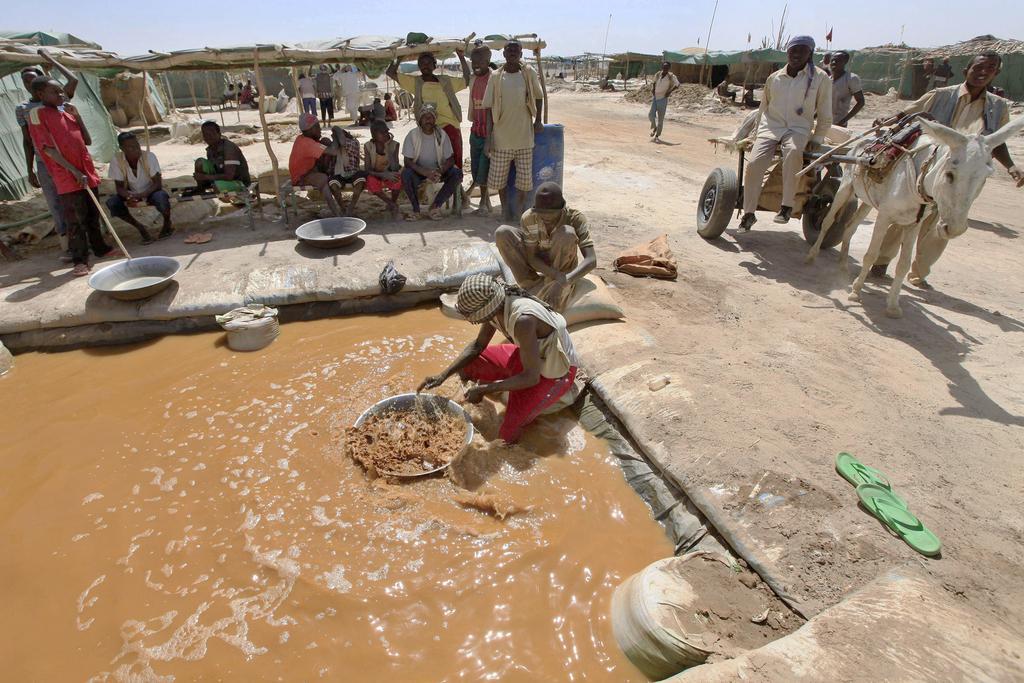
The European Union has banned the purchase, import, and transfer of gold from Sudan. This move aims to cut off financial resources fueling the country's ongoing conflict. The European Council announced the new sanctions on Monday.
These sanctions also prohibit the sale, supply, transfer, and export of mercury and cyanide to Sudan. These chemicals are commonly used in gold mining operations. Gold has become a critical funding source for both the Sudanese Armed Forces and the paramilitary Rapid Support Forces.
The conflict in Sudan began in 2023. It has caused tens of thousands of deaths and displaced millions of people. Disrupting revenue streams from gold exports is a key strategy to pressure warring factions. This ban follows similar international measures to isolate the belligerents.
The EU's High Representative for Foreign Affairs and Security Policy, Josep Borrell, stated, "These new sanctions demonstrate our unwavering commitment to peace and stability in Sudan." He added, "By targeting the economic lifelines of the conflict, we aim to reduce the capacity of warring parties to prolong the violence." This statement reflects the EU's broader foreign policy objectives.
These restrictions include specific exemptions. These exemptions apply to humanitarian assistance, public health emergencies, and disaster relief operations. This ensures that aid can still reach those in need. Observers will watch how effectively these sanctions impact the conflict's financing. The overall effectiveness of such measures often depends on global cooperation. Countries like Ghana, with significant gold industries, will monitor these developments.
For Ghana, a major gold producer, the EU's action highlights global efforts to regulate mineral trade. Ghana's mining sector contributes significantly to its economy. The country has its own challenges with illegal mining, known as 'galamsey'. The EU's stance on conflict minerals could influence future international trade policies. This could potentially affect Ghana's gold exports if stricter provenance rules emerge.
The decision by the EU comes amid increasing calls for an end to hostilities in Sudan. International bodies are seeking ways to pressure the warring parties. This ban is a direct response to the humanitarian crisis caused by the conflict. It represents a significant step by the EU to impact the financial levers of war. Future actions may include other economic sanctions if the conflict continues.
The EU's consistent application of these sanctions will be crucial. This will determine their impact on the conflict's duration and intensity. Decision-makers and global markets will monitor the situation closely. They want to see if further measures are needed to restore peace in Sudan.