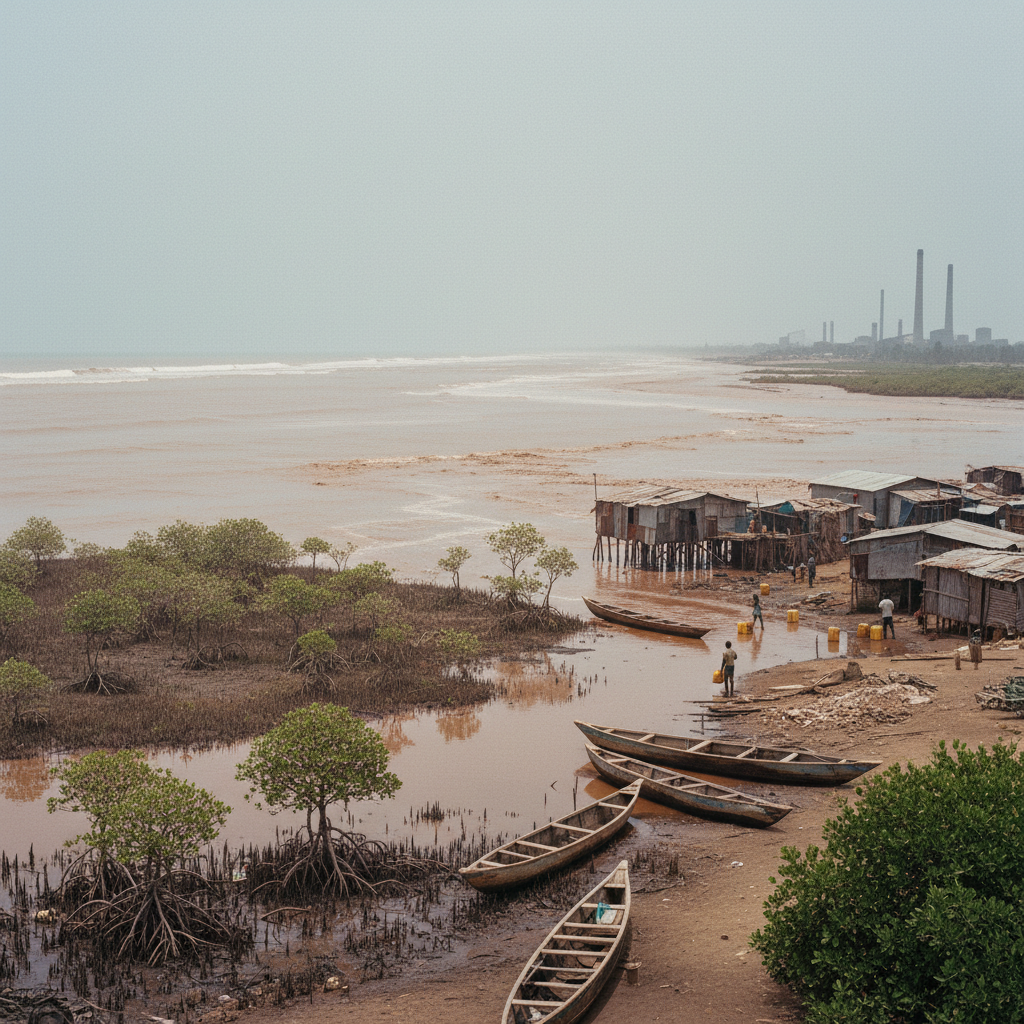
Ghana’s Environmental Protection Authority (EPA) has cautioned that pollution, plastic waste, and the destruction of wetlands are significantly endangering the future of the nation’s oceans. This warning comes as the EPA reported a visible change in the ocean's color, moving from blue to brown.
The warning was issued during Ghana’s commemoration of World Ocean Day in the Western Region. Stakeholders gathered to emphasize the urgent need for stronger protection of coastal ecosystems. The Western Region was specifically chosen due to the ecological importance of the Amanzule Wetland, a critical coastal ecosystem.
This environmental alarm fits into Ghana's broader economic and political narrative concerning climate change and sustainable resource management. The country has faced increasing challenges from flooding, impacting livelihoods and infrastructure. Protecting wetlands, which act as natural flood buffers, directly contributes to national resilience and economic stability. Recent governmental data shows significant unspent budget allocations, highlighting financial pressures that could affect environmental projects if not prioritized.
Professor Nana Ama Browne Klutse, Chief Executive Officer of the EPA, stated her concern. “If you step out there and look over the ocean, I am sure you will be emotional. The colour is no longer blue as we have known it. I see a brown colour of the ocean,” she said. She explained that wetlands and oceans are deeply connected. Damage to wetlands eventually harms the health of the sea.
Protecting the Amanzule Wetland is a key priority. The EPA is working towards designating it as a Ramsar site, an international recognition for wetlands of international importance. This designation will safeguard the area from further destruction, reduce risks of flooding, and preserve its rich biodiversity. The Minister of Lands and Natural Resources, Emmanuel Armah-Kofi Buah, linked recent flooding incidents nationwide to ignoring environmental warnings. Dr. Musonda Mumba, Secretary-General of the Convention on Wetlands, emphasized that wetlands are “the kidneys of the earth” for filtering pollutants.
The protection of Ghana’s coastal ecosystems will have significant implications for economic sectors like fishing and tourism. Maintaining healthy oceans and wetlands is crucial for food security and the livelihoods of coastal communities. Businesses and consumers must prepare for the full ban on styrofoam products, which will take effect on January 1, 2027. This regulatory change will push the market towards environmentally friendly alternatives, potentially creating new business opportunities. Decision-makers will closely watch the progress of the Amanzule Wetland’s Ramsar designation. This designation could serve as a model for other vulnerable coastal areas in Ghana. Continued investment in environmental protection will be essential for Ghana’s long-term economic and social well-being.