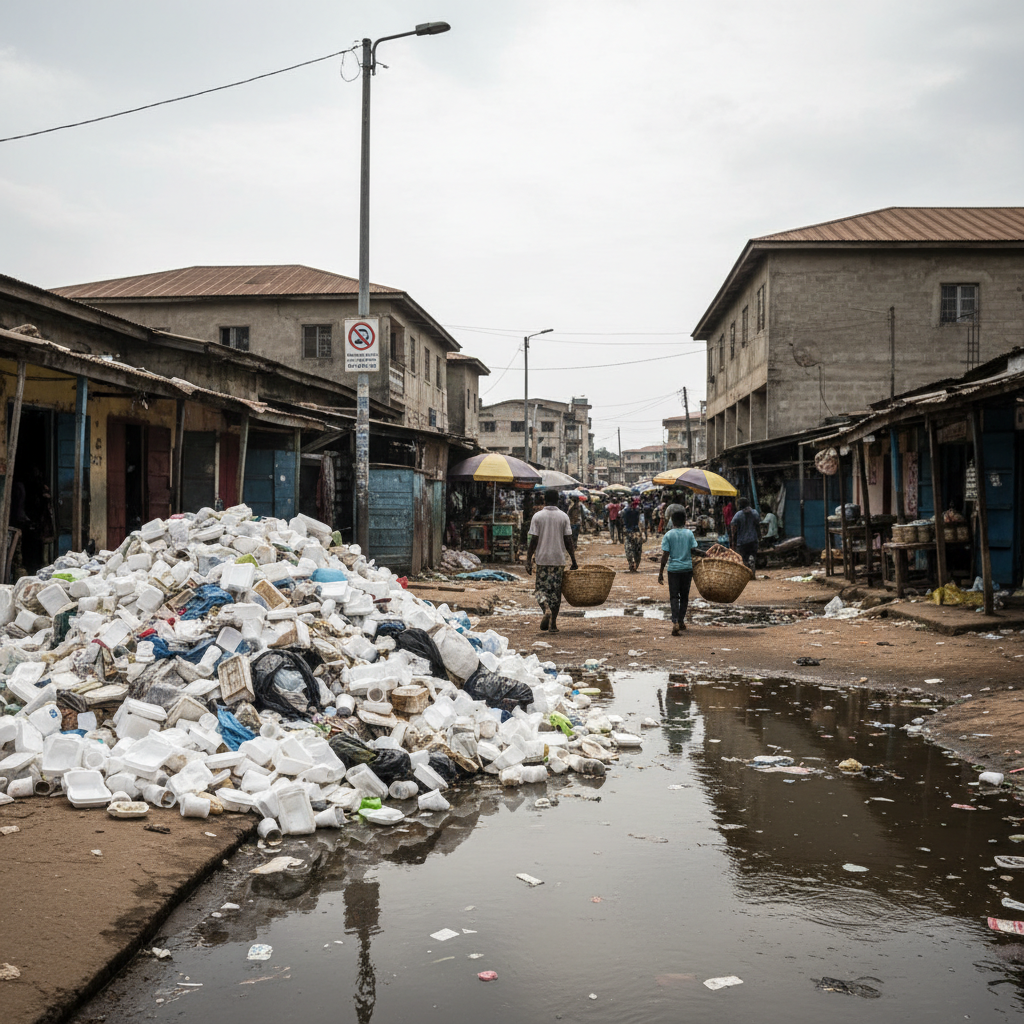
Ghana's Environmental Protection Agency (EPA) will ban single-use polystyrene food containers starting January 1, 2027. This decision aims to tackle plastic pollution and reduce the severe flooding that frequently affects the country. A circular economy expert has strongly endorsed this regulatory action.
Derrick Sarfo, Founder and Chief Executive Officer of DercolBags Packaging Limited, stated that the ban specifically targets single-use materials. He clarified that the EPA is not against all plastic products but rather those that pose significant risks to public health and the environment. Mr. Sarfo highlighted that disposable plastics frequently end up in drains and water bodies, contributing directly to environmental degradation and exacerbating flood conditions.
This policy aligns with Ghana's broader efforts to manage waste and protect its environment. The country has experienced recurrent flooding, particularly in urban areas, which often results in significant economic disruption and loss of property. The accumulation of single-use plastics in drainage systems is a well-documented factor contributing to these flood events. This ban represents a proactive measure to mitigate such environmental challenges and their associated economic costs.
Speaking on the Loud and Green XSpaces hosted by JoyNews, Mr. Sarfo explained that while plastic waste is not the sole cause of flooding, its contribution to blocked drainage systems is undeniable. He stated, "EPA is not against plastics. EPA is against plastics that are harmful to our health, especially single-use plastics that are used once and not used anymore, but rather end up in our environment, polluting our marine lives, causing disaster in floods." He emphasized that discarded styrofoam containers and other single-use plastics restrict water flow during heavy rains, intensifying the impact of floods.
The implications of this ban are far-reaching for various sectors. Businesses that currently rely on single-use polystyrene containers will need to transition to alternative, more sustainable packaging solutions. This shift could stimulate innovation within the packaging industry and create new market opportunities for eco-friendly products. Consumers will also need to adapt to new packaging options, potentially influencing purchasing habits and waste disposal practices across the nation. The government's commitment to enforcing this ban will be crucial for its success and for achieving the desired environmental outcomes.
Mr. Sarfo described the EPA’s planned ban as a necessary intervention that prioritizes public health and environmental sustainability. He noted that some everyday products become environmental hazards after use, leading to long-term consequences for communities. He cited previous regulatory interventions, such as changes in the cement industry where manufacturers moved from certain plastic packaging materials to paper-based alternatives, as precedents for such policy shifts. This demonstrates that Ghana has a history of encouraging industries to adopt safer alternatives through policy.
The expert rejected suggestions that Ghana’s planned ban is unusual, referencing past successful environmental policy decisions. He stressed that it is essential for Ghana to critically assess the harm caused by certain packaging types to both health and the environment. He believes Ghana's action could serve as a model for other African countries grappling with similar plastic pollution challenges. This policy is a significant step towards a more sustainable future for Ghana, aiming to reduce environmental damage and improve public health outcomes.